Where to See Wildflowers in Death Valley National Park

DISCLOSURE: This post may contain affiliate links. If you purchase after clicking one of my links, I may earn a small commission at no extra cost to you. As an Amazon Associate, I earn from qualifying purchases. For more information, see my disclaimer.
Wildflowers in Death Valley are already starting to bloom, and after the unusually heavy rains this season, I had to see it for myself. In early February 2026, I went back into Death Valley National Park, and wow, the early bloom did not disappoint. From carpets of gold to pops of unexpected color, here’s where I found wildflowers and how you can see them too. I’ll keep updating this post as and when I hear about the 2026 bloom!
FAQ About Wildflowers In Death Valley National Park
When Is The Best Time To See Wildflowers In Death Valley National Park?
The timing of wildflower blooms in Death Valley National Park depends heavily on fall and winter rainfall. At lower elevations, you can usually catch the bloom from February through early April, while higher elevations often bloom later, from April to June.
From my experience, if you’re at an elevation near 500 feet or lower, early blooms can appear as soon as February, assuming there’s been enough rain. Areas above that will likely bloom in March or later, depending on rainfall, elevation, and seasonal temperatures.
What Wildflowers Can You See in Death Valley?
Death Valley National Park is home to a variety of wildflowers, even if you only catch them in small patches. Some species you might see include:
- Bear Poppy
- Desert Chicory
- Desert Dandelion
- Desert Five-Spot
- Desert Gold
- Lilac Sunbonnet
- Mariposa Lily
- Weakstem Mariposa Lily
Even spotting a few of these flowers adds a bright splash of color to the desert landscape and makes the drive through the park worth it.
Is 2026 a superbloom year in Death Valley National Park?
While it’s too early to officially call it a “superbloom,” the heavy fall and winter rainfall in 2025-2026 has already triggered early blooms at lower elevations. If rain continues and temperatures stay mild, 2026 could shape up to be one of the better wildflower seasons in recent years.
Where are wildflowers blooming in Death Valley right now?
As of early February 2026, the largest concentrations of wildflowers I’ve seen are along Badwater Road near Jubilee Pass and along Highway 190 near Panamint Springs. Bloom timing will continue to shift based on elevation and rainfall, so higher areas may peak later in March and April.
Do you need 4WD to see wildflowers in Death Valley?
No, you don’t need 4WD to see wildflowers in Death Valley National Park. Many of the best roadside blooms are visible along paved roads like Badwater Road and Highway 190. However, if you want to explore backcountry areas like Echo Canyon, high-clearance or 4WD may be helpful.
How long does the Death Valley wildflower bloom last?
The wildflower bloom in Death Valley can last several weeks, but it varies by elevation. Lower elevations may peak in February and fade by early April, while higher elevations can continue blooming into late spring.
Can you see wildflowers from the road in Death Valley?
Yes! In good rainfall years, some of the best wildflower displays in Death Valley are visible right from your car. Slow down and scan hillsides and roadside flats for splashes of yellow and pink.
Is Death Valley worth visiting for wildflowers?
Absolutely, especially in a strong rain year. Seeing wildflowers in Death Valley National Park is a completely different experience from visiting during a dry year. The contrast of bright blooms against desert landscapes makes the park feel transformed.
How hot is Death Valley during wildflower season?
During peak bloom (February–April), temperatures are usually much more manageable than in summer. That said, the desert sun is intense, and temperatures can still climb quickly during the day, especially at lower elevations. It was mid-70s in early February in the afternoons when I was there.
Travel Insurance
Before any trip, I always recommend sorting out your travel insurance. World Nomads offers both single-trip and annual worldwide coverage, and you can get a free quote in just a few minutes to see what it would cost for your trip.
👉 Get Your Free QuoteDeath Valley Wildflowers Gear Recommendation
You’ll need an America the Beautiful Pass to enter Death Valley National Park. If you plan on visiting two or more national parks in a year, it’s usually the most economical option. I always think of it as a little nudge to explore more public lands while you have it. Once you have the pass, it opens the door to hundreds of national parks, monuments, and recreation areas across the U.S., which makes it well worth it.

Death Valley is stunning during a bloom, but it can also be pretty brutal if you aren’t prepared. Between the zero cell service and the relentless sun, you need gear that actually works. I’ve put together this list of stuff I personally use to stay cool, stay safe, and actually get some decent photos of those tiny desert blooms without passing out in the heat.
- FrSara Neck Fan: My secret weapon for desert hiking. This hands-free fan provides 360° cooling to keep your core temperature down while you’re focused on your photography. Read my review here!
- Pro Lens Kit: Turn your smartphone into a macro powerhouse. This kit allows you to capture the tiny, intricate details of desert blooms that standard phone lenses can’t see.
- Blenders Sunglasses: Style meets function with these cat-eye frames. The polarized lenses are essential for cutting through the intense desert glare to help you spot vibrant floral colors from a distance. Read my review here!
- Compact Binoculars: These are perfect for scanning distant hillsides for “splashes of color” before you commit to a long hike across an alluvial fan.
- Wildflowers of California: This is your “cheat sheet.” It tells you exactly what should be blooming when you’re there. I love it because it’s organized by month, so you don’t have to flip through hundreds of summer flowers when you’re visiting in February.
- Garmin inReach Mini: There is zero cell service in most of the park. This is your safety lifeline, offering satellite messaging and emergency SOS features in a palm-sized device.
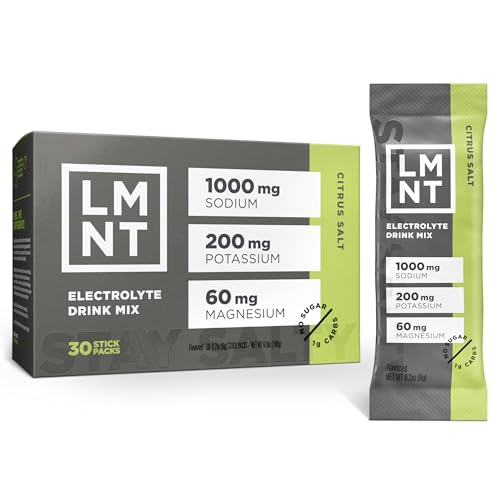
- LMNT Electrolytes: Standard water isn’t enough in the 100°F+ heat. These salt-based mixes keep you hydrated without the sugar crash, which is vital for long treks. Read my review here!
- Neutrogena Sunscreen: The desert sun is relentless. This “dry-touch” formula is a favorite because it doesn’t leave your hands greasy, a must when you’re handling expensive camera gear.
- Iron Flask 64 oz Bottle: With 64 ounces of capacity and triple-wall insulation, this flask keeps your water ice-cold even when it’s sitting in a hot car or strapped to your pack. I love it!





The Best Wildflower Hotspots in Death Valley National Park
If you’re looking for the best places to see wildflowers in Death Valley National Park, two of the most impressive areas I found are actually along the main roads into the park. So don’t just rush to the viewpoints; keep your eyes peeled as you drive in.
Wildflowers Along Badwater Road
If you’re coming from Baker or Las Vegas, this is the route I recommend. Instead of taking Highway 190 from Death Valley Junction, enter the park via Badwater Road.
And don’t worry, you’ll still pass a “Welcome to Death Valley National Park” sign, so you won’t miss out on the classic photo op!
On my early February 2026 trip, I drove in from Baker and continued past Jubilee Pass. Just after the downhill stretch, right before the turnoff for West Side Road and Ashford Mill, both sides of the road were covered in blooms. This was the largest concentration of Death Valley wildflowers I saw on the entire trip.
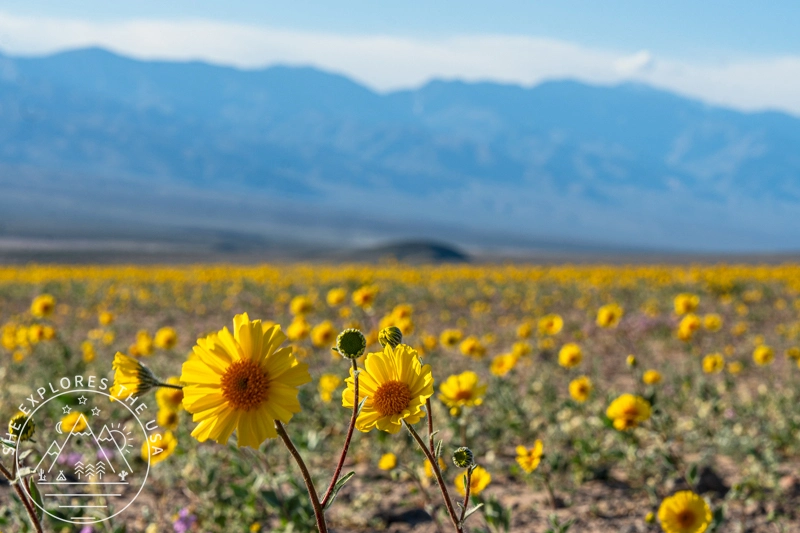
The hillsides and roadside flats were mostly bright yellow Desert Gold, mixed with pops of Sand Verbena. In this area, you can potentially find:
- Brown-Eyed Primrose
- Desert Five-Spot
- Desert Gold
- Sand Verbena
As you continue driving Badwater Road toward Furnace Creek, you’ll notice more scattered patches of wildflowers and, after a good rain year, a surprising amount of green throughout the valley.


Wildflowers Along Artist Drive
Another great place to spot wildflowers in Death Valley National Park is along Artist Drive, which is just off Badwater Road.
I was driving the loop and didn’t stop to take photos, but there were definitely wildflowers along the short hike from the first parking area. As you continue along the scenic 5-mile drive, you’ll notice blooms scattered along the roadside, especially toward the end of the canyon before the road loops back down to Badwater Road.
The colorful hills of Artist’s Palette make such a cool backdrop, so if you’re not the one driving, this is a fun place to stop and look a little closer.
Wildflowers Along Highway 190 (Panamint Springs to Furnace Creek)
If you’re entering Death Valley from Lone Pine, you’ll drive in on Highway 190. Just after passing Panamint Springs, keep an eye out for wildflower fields along the roadside.
Because this area sits at a slightly higher elevation, blooms here tend to peak later, usually in March and April. Desert Gold is especially common along this stretch during a good bloom year.
As you continue toward Furnace Creek, you may also spot wildflowers along Highway 190 after passing Stovepipe Wells and the Mesquite Flat Sand Dunes. The blooms here are often more scattered, but during strong rainfall years, entire hillsides can light up with yellow.


Echo Canyon & Hole-in-the-Wall
While I didn’t make it out there on this trip, I’ve heard that Desert Gold wildflowers in Death Valley National Park can be seen close to Highway 190 at the Echo Canyon and Hole-in-the-Wall trailheads.
Final Thoughts on Wildflowers in Death Valley National Park
Wildflowers in Death Valley National Park don’t show up like this every year, and that’s exactly why this season feels special. After the heavy rainfall we’ve had, the desert is already waking up earlier than usual, and the color is only going to build from here. If you’ve ever wanted to see Death Valley covered in yellow and pink instead of just salt flats and sand, this might be your year. The bloom is starting, and it’s worth seeing for yourself.
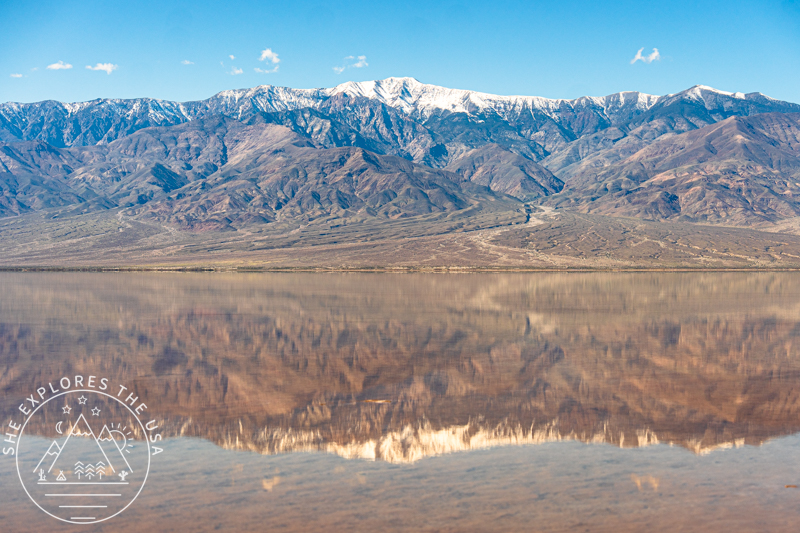
The Return of Lake Manly in Death Valley National Park
In early February 2026, I returned to Death Valley National Park to witness the ephemeral Lake Manly at Badwater Basin….
7 Leave No Trace Principles: How to Teach Kids
Mastering the seven Leave No Trace principles is essential for any outdoor enthusiast. Developed by the […]…
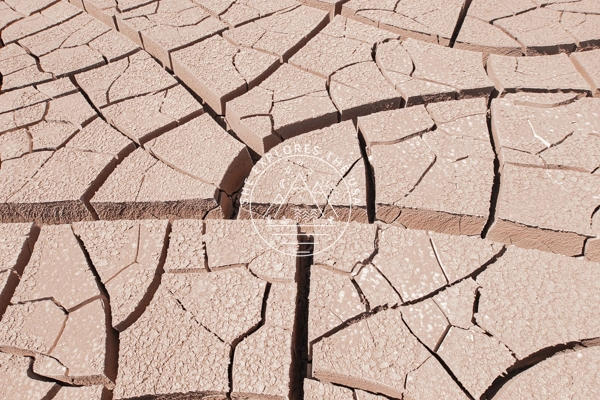
Where Are The Famous Death Valley Mud Cracks
Whenever I am in Death Valley National Park, one of my favorite adventures is to look for mud cracks. I cannot…
Post originally published on February 18, 2026, and last updated on March 12, 2026.