Mountain Hardwear Mineral King All Season Tent Review

DISCLOSURE: This post may contain affiliate links. If you purchase after clicking one of my links, I may earn a small commission at no extra cost to you. As an Amazon Associate, I earn from qualifying purchases. For more information, see my disclaimer.
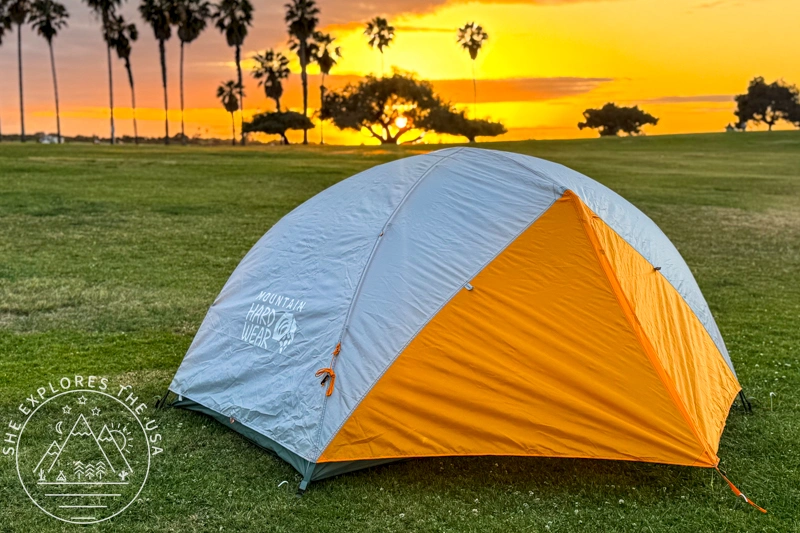
The Mineral King All Season tent by Mountain Hardwear is a rugged upgrade to one of my favorite shelters. I’ve used the original 3-season Mineral King tent on 5-day trips almost every month for years, so I was especially curious to see how this all-season version would compare. Right away, it felt like the version you buy when you’re tired of worrying about bad weather. In this Mineral King All Season tent review, I’ll cover the specs, real-world performance, and how it compares to the 3-season version I’ve relied on for years.
About the Mineral King All Season Tent by Mountain Hardwear
The Mineral King All Season tent is built for everything from regular camping trips to backpacking and winter camping, using the same expedition-quality floor, canopy, and sidewall materials found in Mountain Hardwear’s Trango tents (the red, white, and blue mountaineering tent!). Just like the 3-season Mineral King, the Mineral King All Season tent is not ultralight for backpacking, but it’s doable if two people share the weight, or by leaving the rainfly and carrying bag at home to keep things lighter. For backpackers who prioritize durability and weather protection over shaving ounces, the weight feels very reasonable.
When you unpack it for the first time, you immediately notice how solid the build quality feels. The materials are thick, durable, and confidence-inspiring, and the whole tent feels noticeably stronger than a typical 3-season camping tent. This is a true all-season tent that’s comfortable for camping on snow and built to handle bad weather, including strong wind, heavy rain, and colder temperatures. It’s especially well-suited for colder-weather adventures in places like Alaska, the Pacific Northwest, or the Northeastern United States.
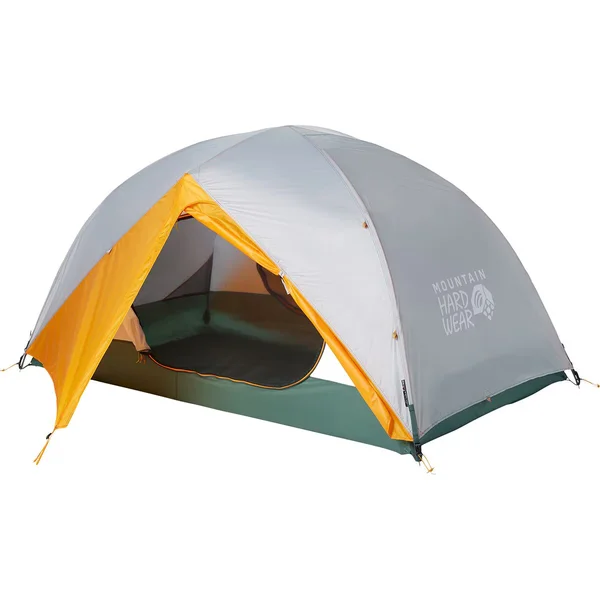
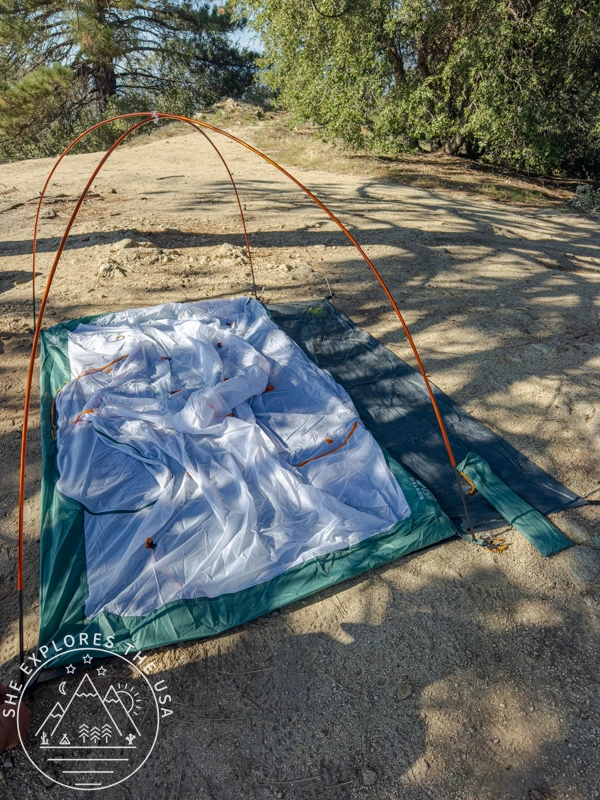
Its symmetrical rectangular shape gives you more usable space inside, with a head-to-toe sleeping layout. Pre-bent poles and hubbed cross poles also make setup easier while creating more headroom throughout the tent.
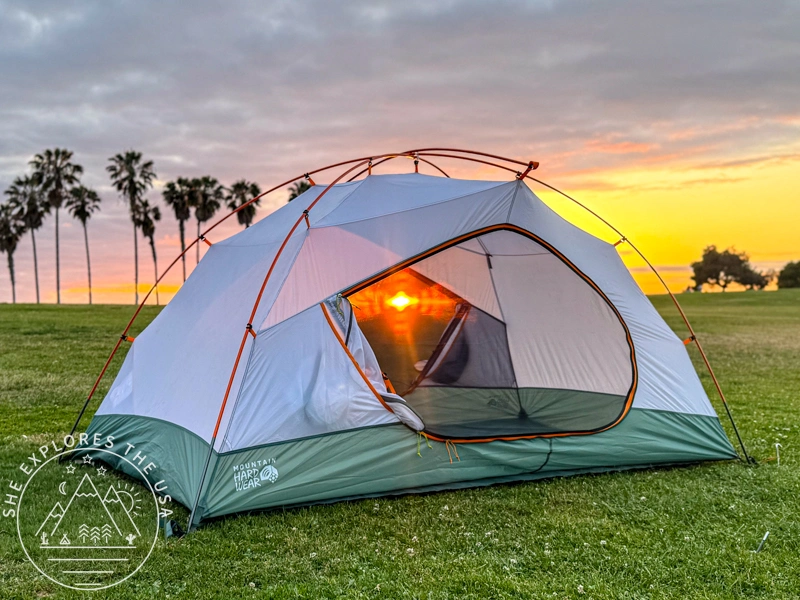
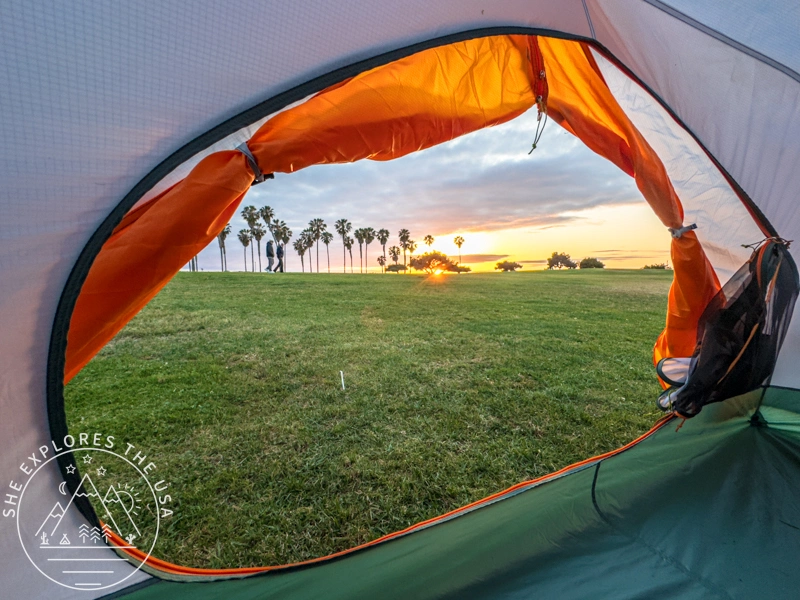
The Mineral King All Season tent features two large doors for easy access, while the vestibules can be rolled back to maximize views and open up the interior.
Inside, the proprietary HangTight system adds extra structure while giving you flexible places to hang headlamps, clothes, or gear in any direction. Five interior pockets help keep smaller essentials organized. DAC Featherlight NSL poles help keep the tent rigid and sturdy, and the bathtub-style floor with seam-taped waterproof construction, along with the included footprint, helps keep moisture from seeping in from below. It’s also made without flame-retardant chemicals.
Mineral King All Season Tent
Mountain Hardwear
- Extreme Durability
- True Weather Protection
- Elite Storage Space
Mineral King All Season Tent Review
Pitching the Mineral King All Season Tent
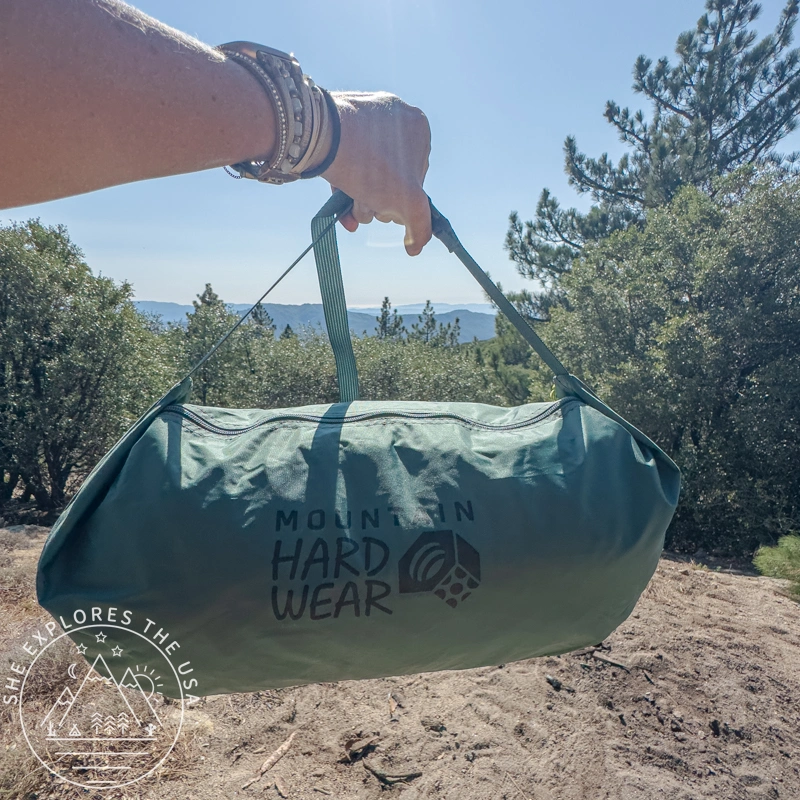
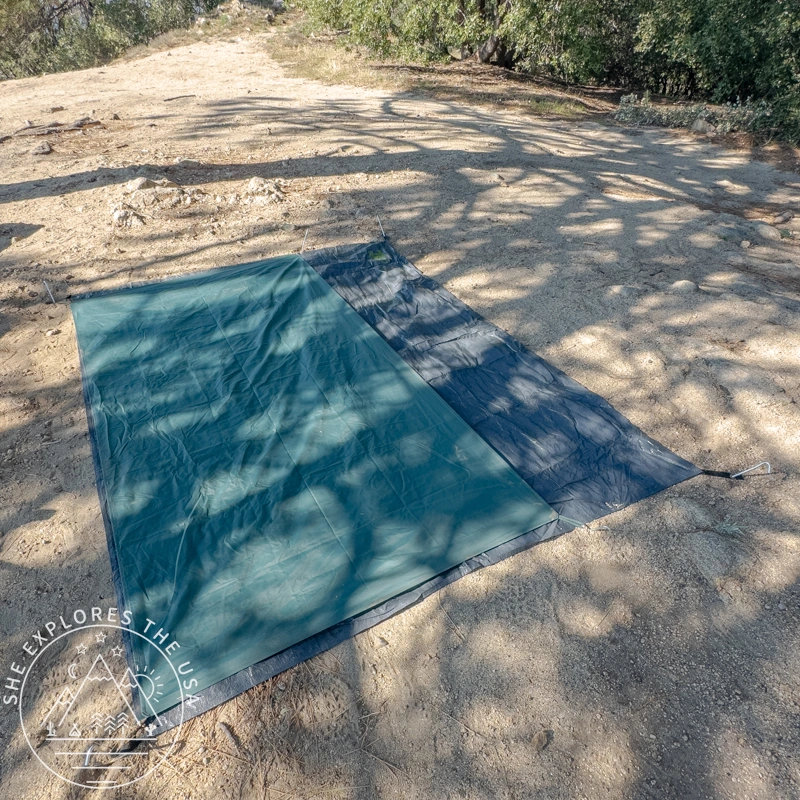
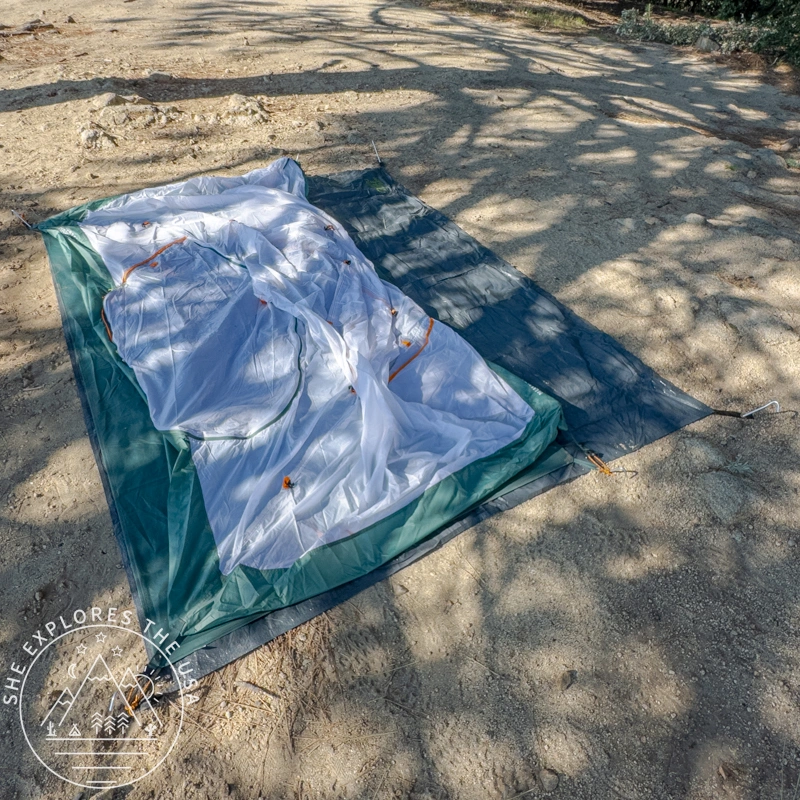
Setup is super easy for this Mineral King All Season tent. The main poles come pre-connected in a single bundle, which makes it super easy to set up. The bag is generously sized, too, so repacking everything at the end of a trip isn’t a battle. The tent pitches taut, and that tautness matters because a tight pitch means water sheds cleanly off the rainfly instead of pooling.
One thing I noticed is that attaching the canopy’s hooks to the poles felt heavier and stiffer than on the Mineral King 3-season tent. Obviously, because mesh is lighter than the 40D nylon ripstop, but I was not expecting it to surprise me that much!
The rainfly also has velcro attachments on the inside to secure to the poles… personally, I hardly ever use them, only if it’s windy.
Stakes & Stability
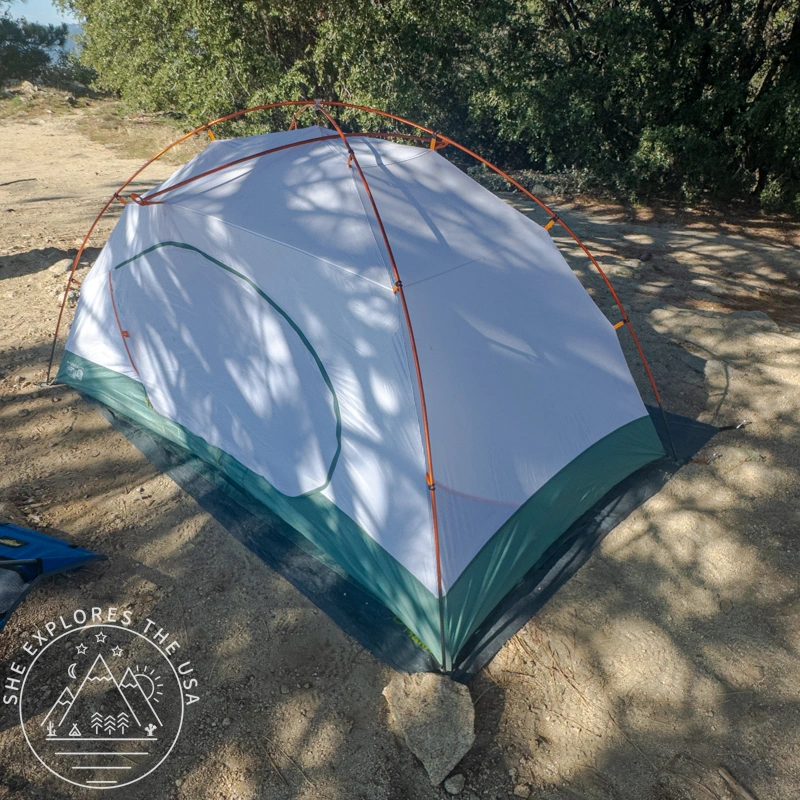
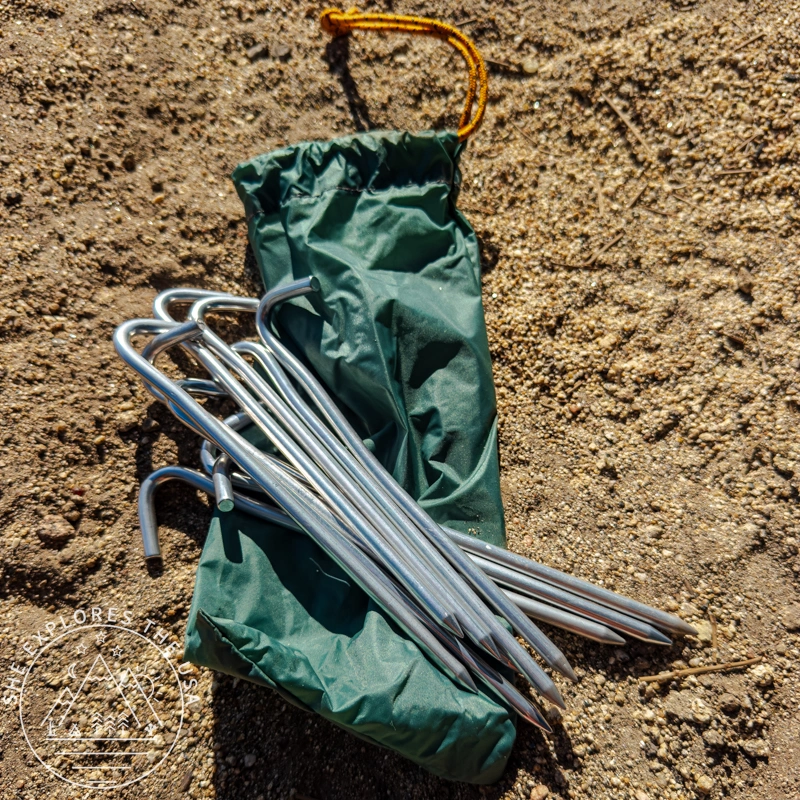
The Mineral King All Season tent comes with 10 metal hook-style stakes. I typically just use 6-8 stakes.
- 4 for the tent canopy and footprint.
- 2-4 for the rainfly (one on each short side and one for each door).
- You could also use up to 4 for the guy lines (useful for super windy nights).
I also highly recommend upgrading to MSR Mini Groundhog stakes. They’re easy to use, more durable, and much less likely to bend than the stakes that come with the tent. I also love that they reflect light from a headlamp at night, making them easier to spot around camp.
That said, I still use four of the original hook stakes that came with the tent: two for the short sides and two for the vestibule doors. I’ve found they hold the door loops better. Plus, they’re a lot less painful when I inevitably trip over one around camp.
MSR Mini Ground Hog Stake
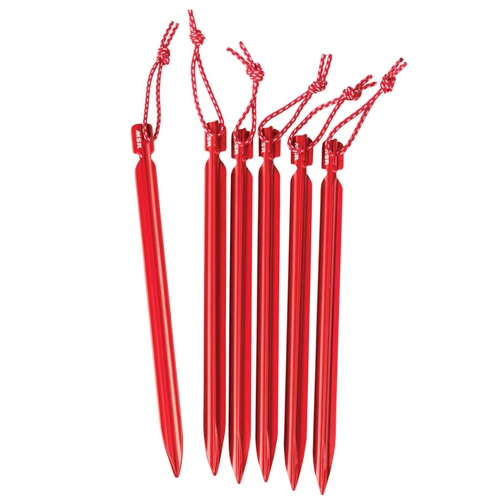
- Lightweight (0.35 oz each)
- Durable aluminum
- Light reflective cords
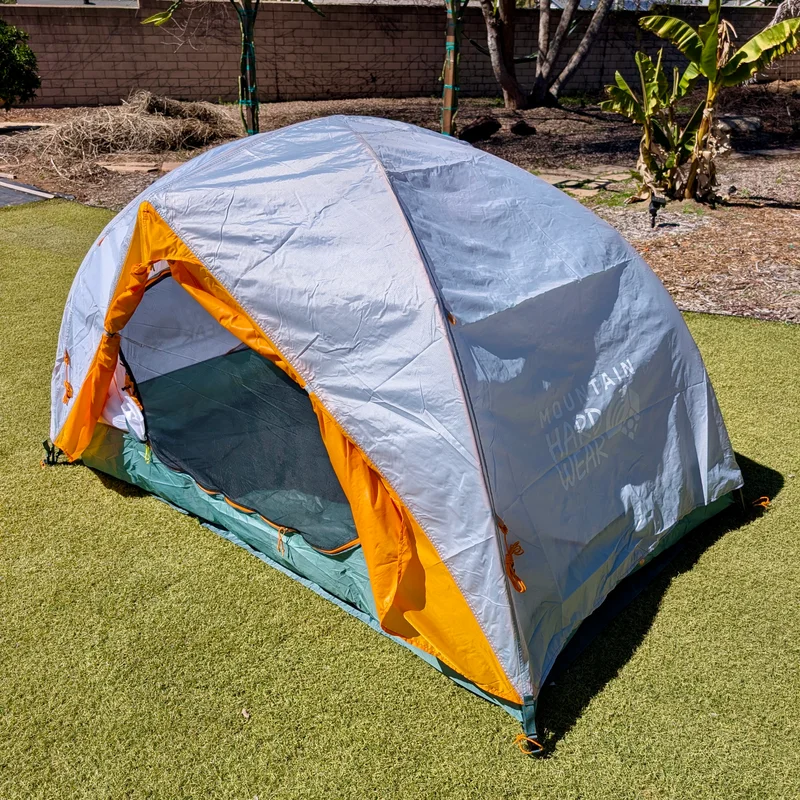
Interior Space & Pockets
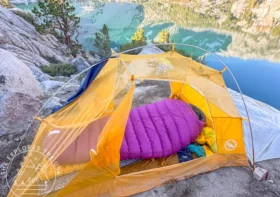
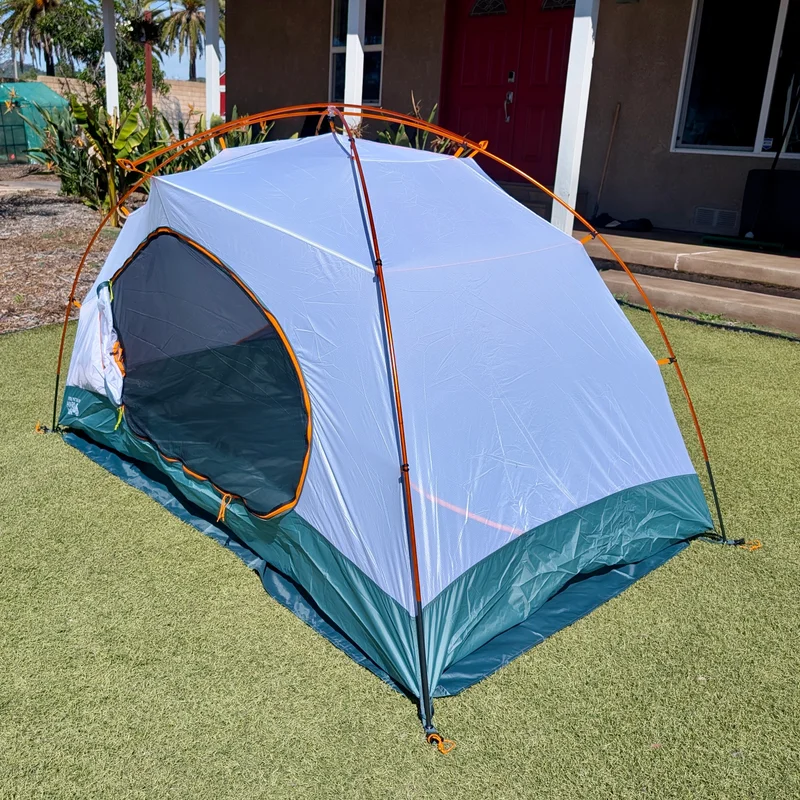
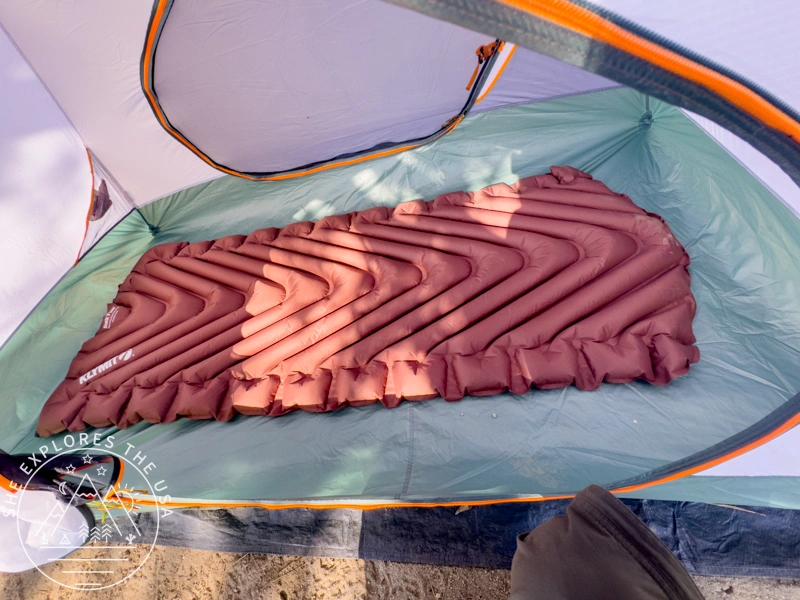
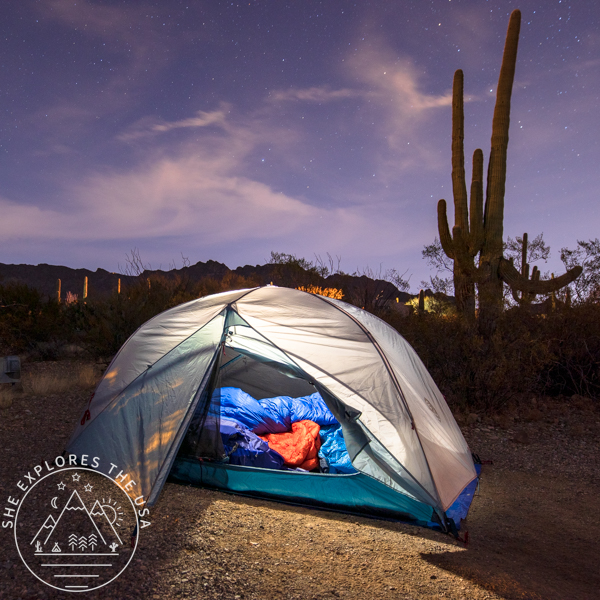
The interior is fairly spacious, and I can sit up straight with no issues. The photo below shows a single 30″ Static V Luxe sleeping pad. For two people, 20–25″ mattresses would fit more comfortably, as the tent is exactly 50″ wide.
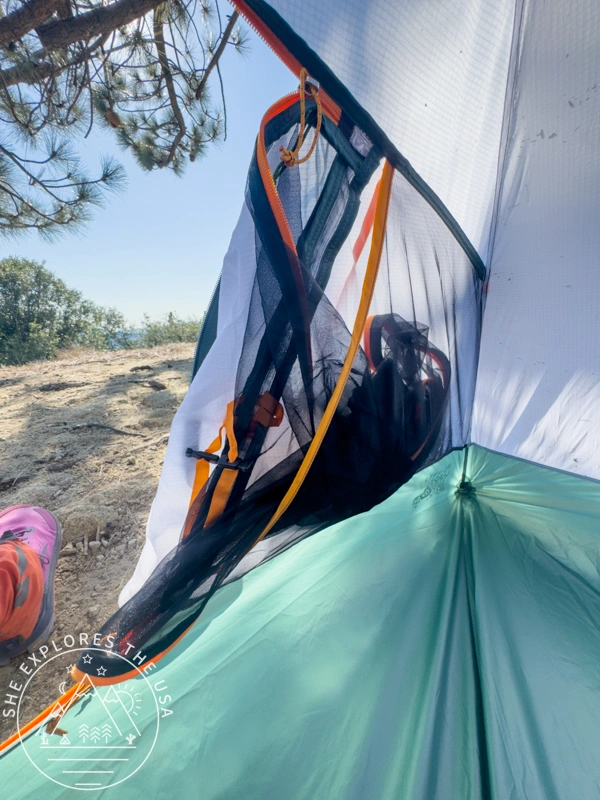
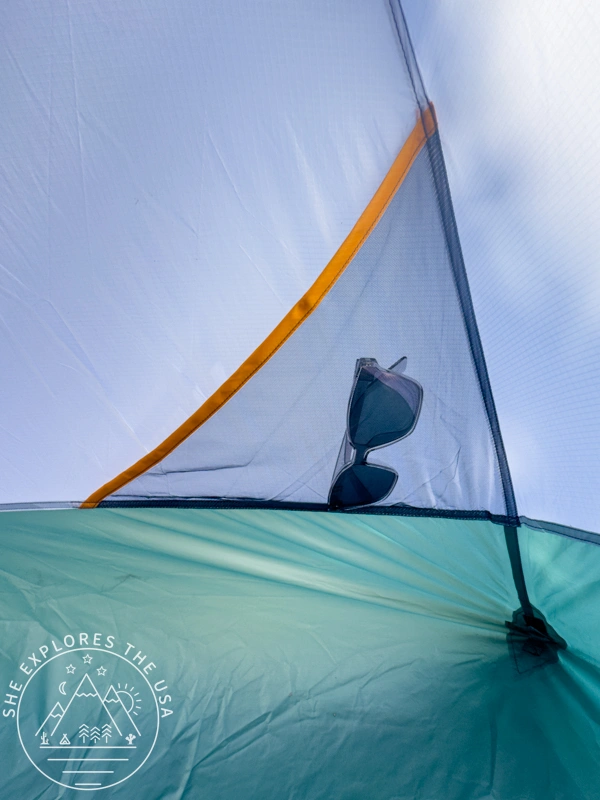
The 6-Pocket & HangTight System: The storage layout is incredibly functional:
- 2 Large Pockets: On the short sides of the tent (ideal for the head-to-toe sleeping configuration).
- 2 Large Door Pockets: These hold the doors when open, but you can use them for gear storage once you’re zipped in.
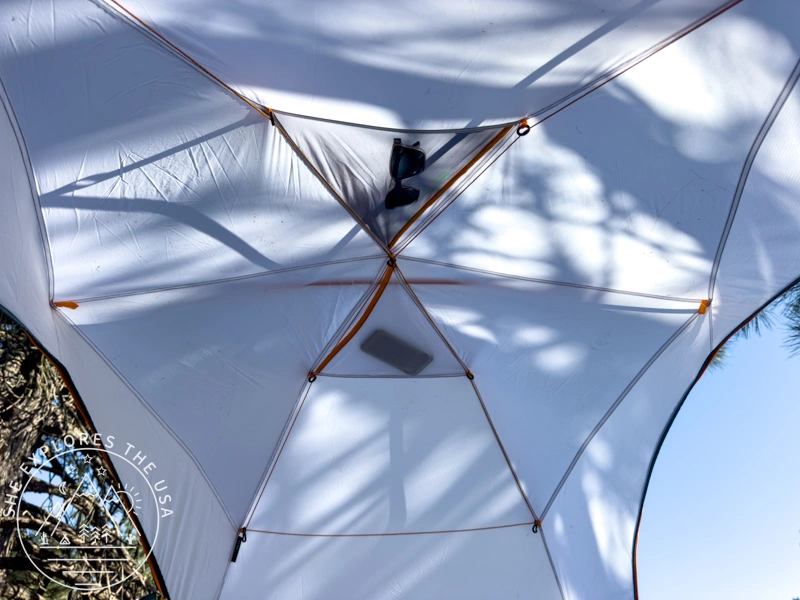
- 2 Overhead Gear Loft Pockets: One is ripstop, and the other is mesh. You can slide your phone into the mesh pocket to watch movies from your sleeping bag.
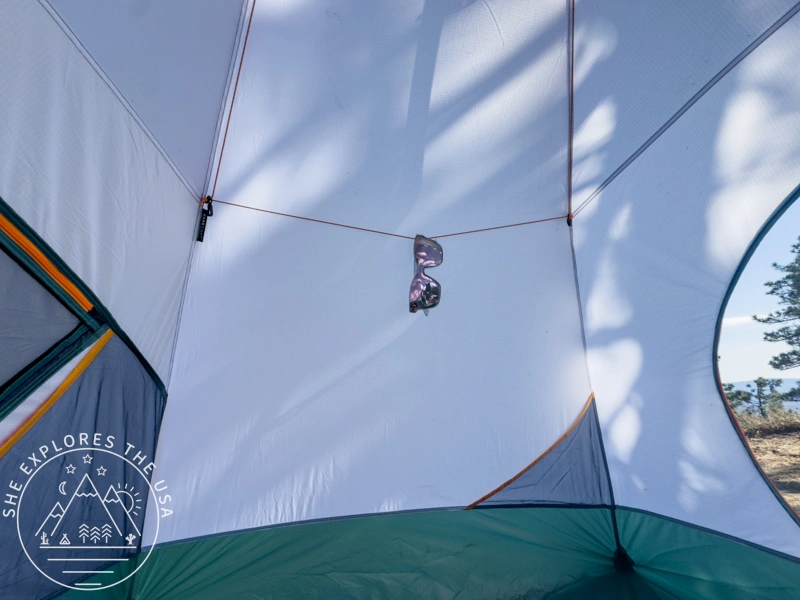
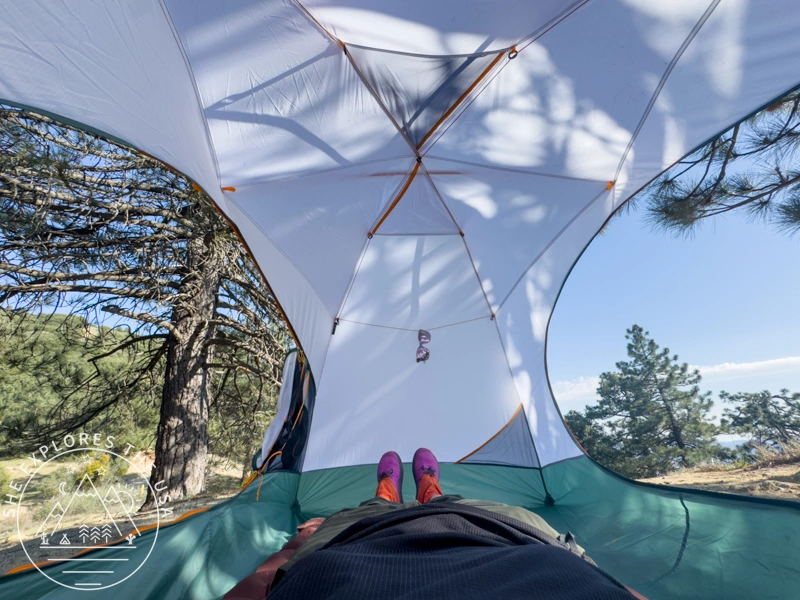
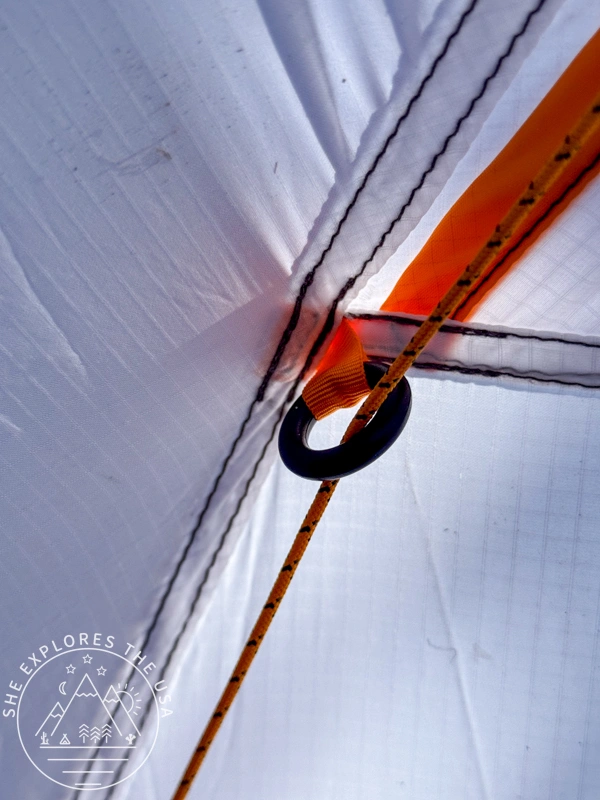
- HangTight System: There is a cord/rod system along the ceiling that acts as an internal stabilizer. It’s perfect for hanging damp socks and clothes, all 360 degrees around the tent.
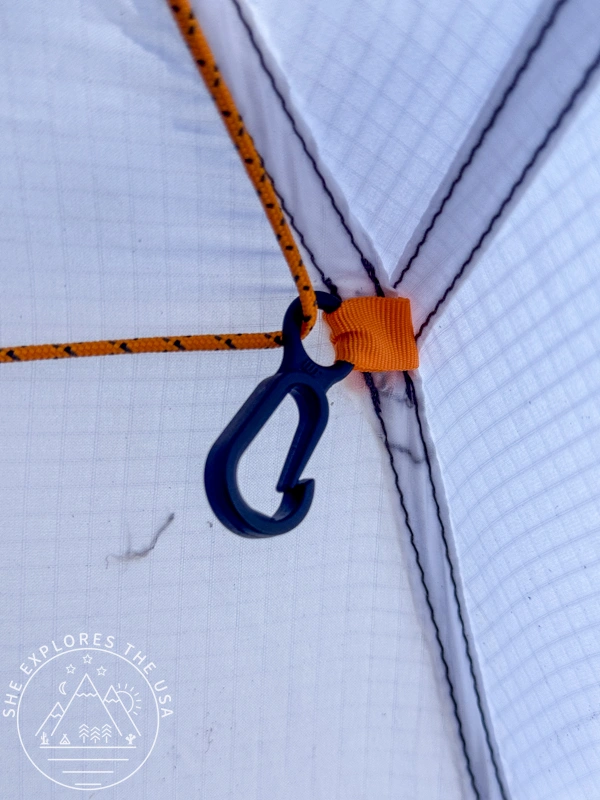
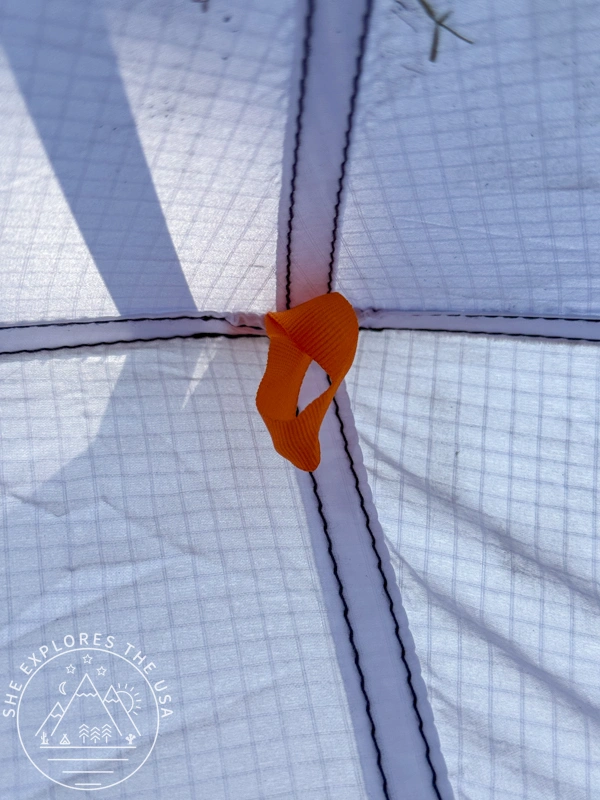
- Extra Hanging: There are also 4 orange loops and 4 black utility clips inside for clipping extra gear.
The Vestibules (Exterior Storage)
The tent features two full-size vestibules. The space is exactly what you’d expect for a tent of this size; there is plenty of room for one full backpack on each side. These are “dry-entry” vestibules, meaning the rain fly is designed to keep water from dripping into the tent body when you unzip it to get in or out.
Weather Protection & Ventilation
Strong, weather-proof canopy: Because the canopy is ripstop nylon, the mesh is limited to the inner canopy doors. This provides greater cold and wind protection. I certainly wouldn’t wake up covered in red sand with this all-season tent! (Yes, that happened with my 3-season tent once!)
Airflow: With the rainfly on, the door venting setup matches the 3-season Mineral King, with vents positioned at the top of each door. This design allows for solid airflow even on rainy nights. I haven’t experienced any condensation so far, though I also haven’t tested it in high-humidity conditions yet. You can also unzip the canopy doors to expose more mesh, which boosts ventilation further. It works especially well for warmer summer nights.
Taking Down the Mineral King All Season Tent
Taking down the Mineral King All Season tent is pretty easy, but there’s one small trick that makes it much simpler: leave both canopy doors slightly unzipped so air can escape and the tent can flatten more easily.
Unfortunately, I learned this the hard way the first time I packed it up. All of my other tents have mesh canopies, so I’d never run into this before. I was actually filming the process for this post at the time, so at least it turned into a good learning experience. I’ll share the video on YouTube soon.
Mineral King All Season Tent
Mountain Hardwear
- Extreme Durability
- True Weather Protection
- Elite Storage Space
Pros & Cons of Mineral King All Season Tent
Here’s a quick look at the main pros and cons of the Mineral King All Season tent to help you decide if it’s the right fit for your camping style.
Pros
- Very rigid, sturdy, and durable
- Easy to set up and take down (especially once you leave the door slightly unzipped :D)
- Excellent weather protection (snow, rain, wind)
- Holds warmth well inside the tent
- Generous interior storage space
- Very user-friendly stuff sack
Cons
- White canopy fabric shows dirt easily
Mineral King All Season Tent
Mountain Hardwear
- Extreme Durability
- True Weather Protection
- Elite Storage Space
Comparing Mineral King 3 Season vs All Season Tents
This comparison table breaks down the key differences between the standard Mineral King (3-season) and the All Season model. Read all about my 3-season Mountain Hardwear Mineral King Tent review here!
Mountain Hardwear Mineral King Tent Review (2P & 3P)
When it comes to choosing a reliable tent for your outdoor adventures, quality is crucial. That’s why the Mineral […]…
Mountain Hardwear Tent Comparison: Mineral King 3 Season vs. Mineral King All Season [2-person]
| Category | Mineral King (3 Season) | Mineral King All Season |
|---|---|---|
| Intended use | 3-season backpacking | All-season / harsher weather |
| Pole system | DAC Pressfit™ | DAC Featherlight™ NSL |
| Fly fabric | 40D mesh + 75D ripstop polyester (1500mm PU) | 68D 210T ripstop polyester (1500mm PU) |
| Canopy fabric | 40D polyester mesh + 75D ripstop polyester | 40D nylon ripstop |
| Floor fabric | 68D 210T ripstop polyester (1500mm PU) | 70D nylon taffeta (10,000mm PU) |
| Waterproof rating (floor) | 1500mm PU | 10,000mm PU |
| Packed weight | 6 lb 8 oz / 2947 g | 6 lb 9 oz / 2977 g |
| Minimum weight | 5 lb 7.9 oz / 2491 g | 5 lb 8.3 oz / 2504 g |
| Interior height | 43 in / 109 cm | 42 in / 107 cm |
| Interior floor dimensions | 54″ x 88″ / 137 x 224 cm | 50″ x 88″ / 127 x 224 cm |
- Extreme durability
- True weather protection
- Elite storage space
- Footprint included
- Great ventilation
- Perfect for stargazing
Key Differences at a Glance: Mineral King 3 Season vs All Season Tents
Livability (Mineral King 3 Season vs All Season)
The 3 Season version offers a slightly wider interior at 54 inches compared to roughly 50 inches on the All Season, which makes a noticeable difference when sharing the tent or storing gear inside. Both models share the same 88-inch length, so sleeping space is identical for most users. Interior height is nearly the same as well (43 inches vs 42 inches), meaning headroom feels comparable in practice. The biggest livability difference comes from interior feel: the 3 Season is more open and breathable thanks to extensive mesh panels, while the All Season feels more enclosed and protected.
Weight
Weight is almost identical between both tents, making this a non-factor in the decision for most backpackers. The 3 Season comes in at 6 lb 8 oz, while the All Season is only slightly heavier at 6 lb 9 oz. In real-world use, the difference is negligible. The added material density in the All Season (especially in the floor and canopy) does not meaningfully impact packability or carry comfort.
Protection (Wind, Rain, and Weather Resistance)
Both tents use a 1500mm PU-coated fly, but overall weather protection is noticeably stronger in the All Season design. The key difference is construction: the All Season reduces mesh exposure and relies more on solid fabric panels, which improve wind resistance, blowing rain, and spindrift. The 3 Season model prioritizes ventilation and airflow, making it better suited for warm-weather backpacking but less protective in sustained bad weather or shoulder-season storms.
Warmth (Cold Weather Performance)
The All Season naturally holds warmth better due to reduced mesh and a more enclosed interior environment. Even without any change in dimensions, the fabric swap alone makes a noticeable difference in shoulder-season or colder-night conditions. The 3 Season runs cooler and breathes more freely, which is exactly what you want in warm summer conditions, but it won’t trap heat the same way when temperatures drop.
Durability
Durability is where the All Season clearly separates itself. The most significant upgrade is the floor construction: a 70D nylon taffeta with a 10,000mm waterproof rating compared to the 1500mm PU-rated floor on the 3 Season version. This dramatically improves long-term resistance to wet ground, abrasion, and repeated use in harsher environments. Combined with heavier-duty canopy materials, the All Season is built for more demanding conditions and longer-term durability in wet or unpredictable weather.
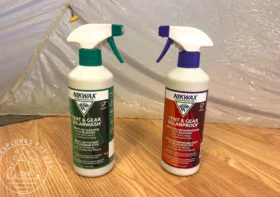
While regular maintenance goes a long way, tent coatings can start to break down and feel tacky after a few seasons of heavy use. When I noticed my older fly getting sticky, I walked through the exact steps I took to strip and reproof it using Nikwax Tech Wash and Tent & Gear SolarProof instead of giving up on the shelter.
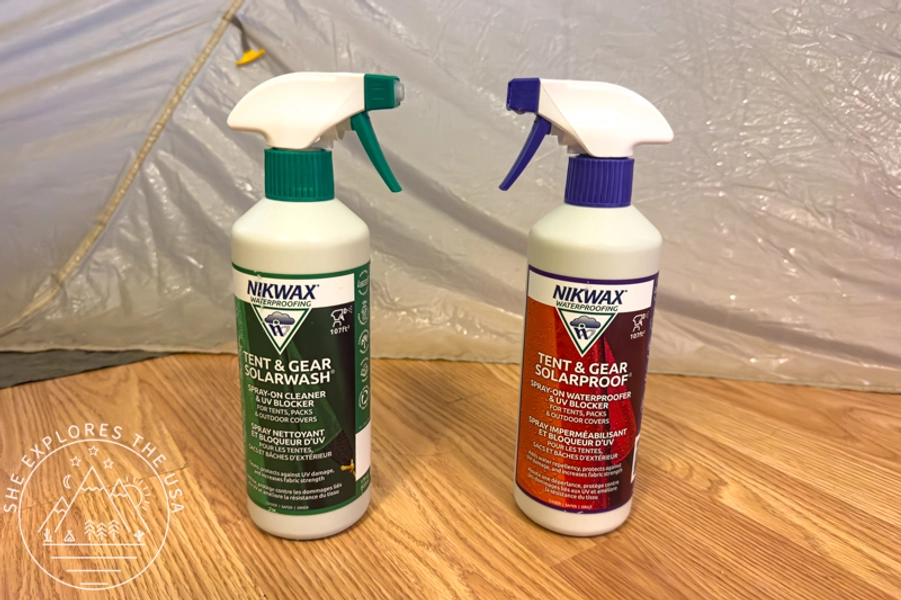
Sticky Tent Rainfly Fix: Using Nikwax to Reproof Your Tent
If you have a sticky tent rainfly that has started sticking to itself, you may be wondering if it can…
Which Mountain Hardwear Mineral King Tent Should You Buy?
It comes down to where you camp most often.
Mineral King All Season
Best for cold, wet, or exposed conditions. More enclosed design improves wind protection and warmth, and the 10,000mm floor adds a clear durability advantage on wet ground.
Mineral King 3 Season
Best for dry or warm conditions. More mesh means better airflow, less condensation, and a more comfortable feel in summer. It can handle cold nights, but won’t retain heat as well as the All Season.
Verdict Mineral King All Season vs 3 Season
- All Season: weather protection, warmth, durability
- 3 Season: ventilation, comfort, summer use
- Extreme durability
- True weather protection
- Elite storage space
- Footprint included
- Great ventilation
- Perfect for stargazing
Mineral King All Season Tent FAQ
Is the Mineral King All Season tent good for winter camping?
Yes, the Mineral King All Season is designed as a 4-season light tent. It uses the same high-durability floor and canopy fabrics as Mountain Hardwear’s expedition-grade Trango series, making it ideal for cold winds, snow, and shoulder-season storms.
How many pockets does the Mineral King All Season have?
The Mineral King All Season features six interior pockets for maximum organization. This includes two large pockets on the short sides, two large door pockets for stowing unzipped doors, and two overhead gear loft pockets (one mesh and one ripstop) that are perfect for keeping electronics within reach.
What is the difference between the Mineral King 3-Season and All Season?
The main differences are material and protection. The All Season version features a 10,000mm waterproof-rated nylon floor (compared to 1,500mm on the 3-season) and replaces most of the mesh canopy with 40D nylon ripstop. This design traps more heat and blocks wind-blown sand and spindrift, whereas the 3-season version prioritizes airflow and ventilation for summer use.
Can you use the Mineral King All Season for backpacking?
While the Mineral King All Season has a packed weight of 6 lb 9 oz, it can be used for backpacking if the weight is split between two people. For solo backpackers prioritizing a light pack, it is on the heavier side, but its durability and interior space make it an excellent choice for short-distance rugged trips or basecamp setups.
How do you prevent condensation in the Mineral King All Season?
Because the All Season model has more solid fabric than mesh, managing airflow is key. To minimize condensation, utilize the integrated fly vents at the top of each door. On warmer nights, you can also unzip the solid canopy doors to expose the mesh layer underneath, significantly increasing cross-ventilation.
Is a footprint included with the Mineral King All Season?
Yes, the Mineral King All Season comes with a custom-fit footprint included. Using the footprint is highly recommended to further protect the tent’s 70D nylon taffeta floor from abrasion and to add an extra layer of moisture protection on wet ground.
Final Thoughts on the Mineral King All Season Tent Review
Testing the Mineral King All Season really felt like coming home. Having owned the original Mineral King for six years now, I was impressed by how consistent the experience is. It’s just as easy to set up and feels the same inside and out, which is a huge compliment to the design.
I absolutely love the new colors, but the real standout is how shielded it feels inside the All Season tent. I’ve slept in my standard 3-season Mineral King in sub-freezing winter temperatures before and stayed fine because I have a solid sleep system to keep me warm. However, the All Season model adds another layer of protection that really shows up when conditions turn harsh.
While it might be a bit heavier for longer backpacking trips, the tradeoff shows up in comfort and weather security. It really shines as a winter car camping tent or a dependable basecamp shelter for colder, more exposed trips. If you want that extra barrier between you and the elements, this is the tent to get.
Mineral King All Season Tent
Mountain Hardwear
- Extreme Durability
- True Weather Protection
- Elite Storage Space
Post originally published on May 7, 2026, and last updated on October 18, 2026.