How to plan a first visit to Bryce Canyon National Park

DISCLOSURE: This post may contain affiliate links. If you purchase after clicking one of my links, I may earn a small commission at no extra cost to you. As an Amazon Associate, I earn from qualifying purchases. For more information, see my disclaimer.
Bryce Canyon National Park is one of the most unforgettable parks in the U.S., with towering hoodoos and glowing red rock views that look even better in person than in photos. One full day is enough to see the highlights, but 2 days is ideal for hiking, sunrise, and stargazing. The best times to visit are May-June and September-October for cooler weather and fewer crowds. This guide covers everything you need to plan your first visit, including where to stay, how to get around, what to pack, and the best things to do without overthinking it.
- About Bryce Canyon National Park
- How to Get to Bryce Canyon National Park
- Where to stay in Bryce Canyon National Park
- How to Get Around Bryce Canyon National Park
- Bryce Canyon Packing List: What to Pack for Your First Visit
- Best Things to Do in Bryce Canyon National Park
- Beyond the Hiking Trails
- FAQ About Visiting Bryce Canyon National Park
- Final Thoughts on Visiting Bryce Canyon National Park
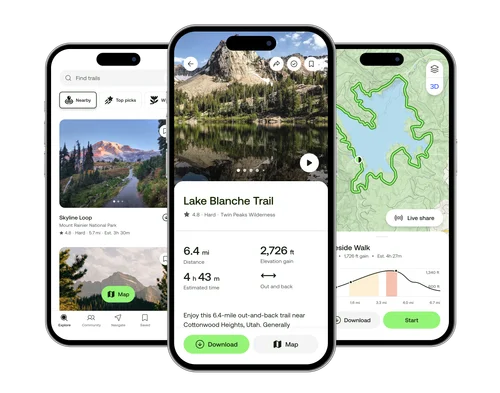
50% Off AllTrails Plus
Planning hikes, downloading maps, getting a little more off-grid without losing your way… this is the upgrade that actually gets used.
About Bryce Canyon National Park
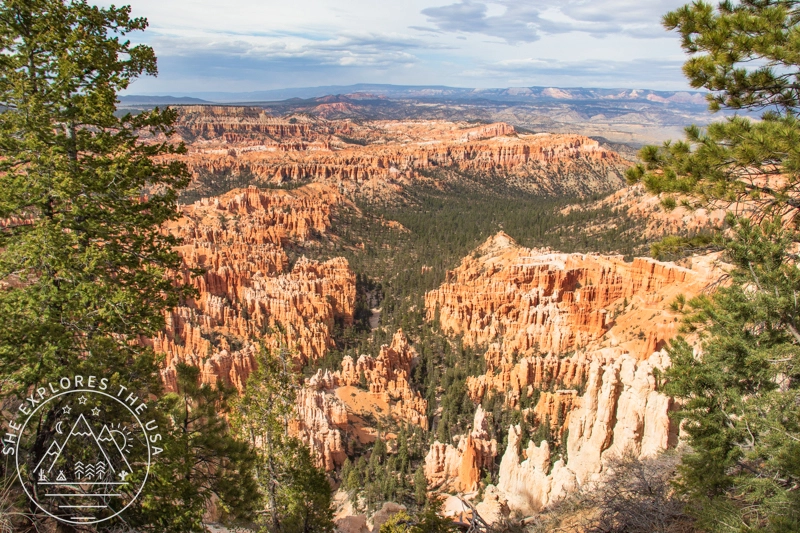
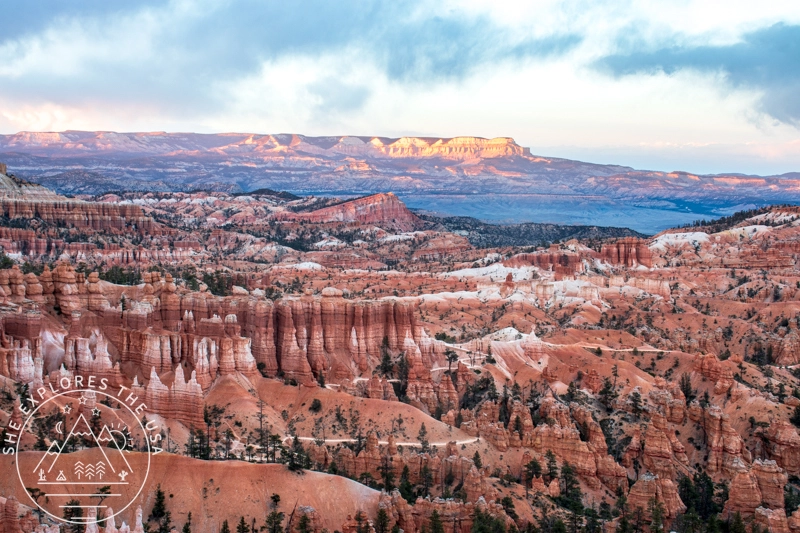
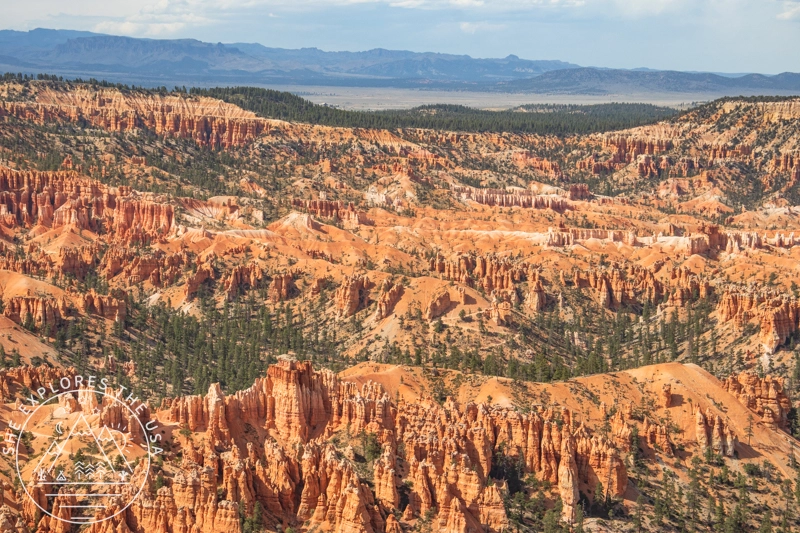
Located in southwestern Utah, Bryce Canyon National Park is renowned for its towering red rock formations, known as hoodoos: tall, thin spires formed by erosion over millions of years. The park is also home to massive amphitheaters, panoramic viewpoints, and some of the best dark skies in the U.S.
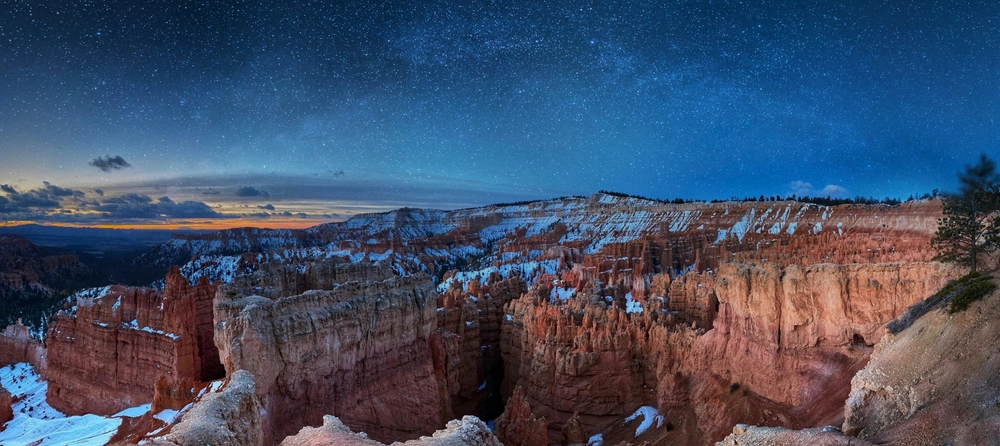
Bryce Canyon is a certified International Dark Sky Park, making it an incredible place for stargazing. If you visit around the new moon, you may even be able to see the Milky Way in late spring through summer.
👉 Bryce Canyon is less than two hours from Zion National Park, making it a perfect addition to a Utah road trip or national parks loop.
Bryce Canyon Entrance, Fees, and Timed Entry
Bryce Canyon currently has no timed entry requirement.
Standard private vehicle entry is $35 and valid for 7 days, covering everyone in the vehicle.
Non-U.S. residents age 16 and older must pay an additional $100 per person unless entering with the $250 non-resident annual pass.
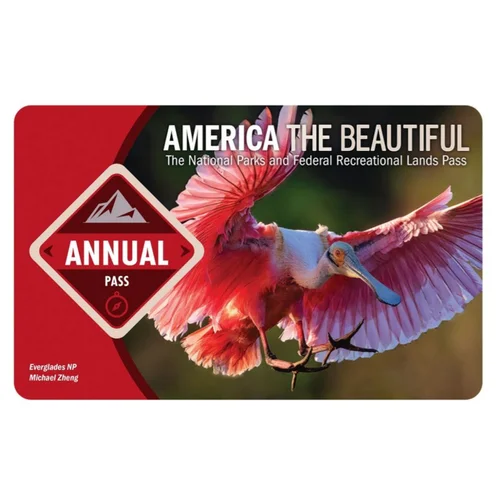
If you’re a U.S. citizen or resident, the easiest and most cost-effective way to visit Bryce Canyon National Park is with the America the Beautiful Pass. It’s $80 for the year and gives you access to as many national parks as you want during that time. It’s easily my favorite way to visit. Once I have one, I find myself getting out and exploring way more often.
For non-U.S. residents, the 2026 annual pass is $250.
The park is fully cashless, so plan to pay by card or digital methods only.
There’s no timed entry reservation required, so you can arrive whenever you like. That said, parking inside the park fills up quickly, especially during peak months. Staying just outside the park and using the shuttle is usually the smoother, less stressful option.
Best Time to Visit Bryce Canyon National Park
The best times to visit Bryce Canyon National Park are May-June and September-October, when temperatures are cooler, crowds are lighter, and hiking conditions are ideal. Summer is the busiest season, while winter offers stunning snow-covered hoodoos and fewer visitors.
How Many Days Do You Need at Bryce Canyon National Park?
One full day is enough to see the highlights, but 2 days is ideal if you want to hike below the rim, catch sunrise, and stay for stargazing.
Ultimate Guide To Hiking The Narrows in Zion National Park
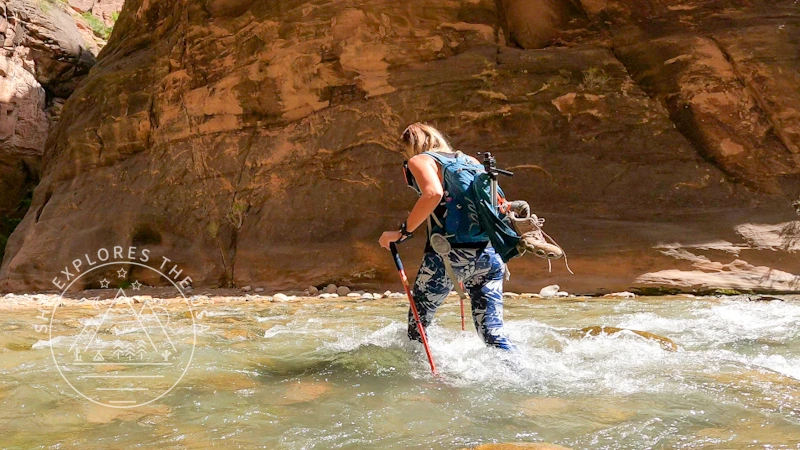
If you’re planning to hike The Narrows in Zion National Park, one of the most popular and breathtaking hikes…
How to Get to Bryce Canyon National Park
Bryce Canyon National Park is located in southern Utah and is easiest to reach by car. Most visitors drive from Las Vegas (about 4 hours), Salt Lake City (about 4 hours), or combine it with Zion National Park (about 1.5–2 hours away).
Where to stay in Bryce Canyon National Park
If this is your first visit, I highly recommend staying near the entrance or inside the park so you can easily catch sunrise and use the shuttle without dealing with parking.
Camping & Hotels Inside the Park
There are two campgrounds inside Bryce Canyon National Park:
North Campground
- Located across from the Visitor Center
- Reservation required from May 19 to October 7
- First-come, first-served the rest of the year
Sunset Campground
- Located west of Sunset Point
- Open April 15 to October 31
- First-come, first-served
- Offers a group campsite (7-30 people)
- Includes two ADA-accessible sites
The Lodge at Bryce Canyon, best for sunrise access
- Located inside Bryce Canyon National Park, near Bryce Amphitheater
- Only non-camping lodging inside the park
- Walking distance to trailheads and viewpoints
- Historic lodge with rustic-style rooms
- Open seasonally (typically spring through fall)
- Rooms book far in advance, especially during peak season
Camping & Hotels Just Outside the Park
Ruby’s Inn Campground
- Located just outside the Bryce Canyon National Park entrance
- Open seasonally (April 1 to October 31)
- Free Bryce Canyon shuttle stop on-site
- Avoids parking inside the park
- Adjacent to a large grocery store and gift shop
- Easy access to the Bryce Canyon National Park sign
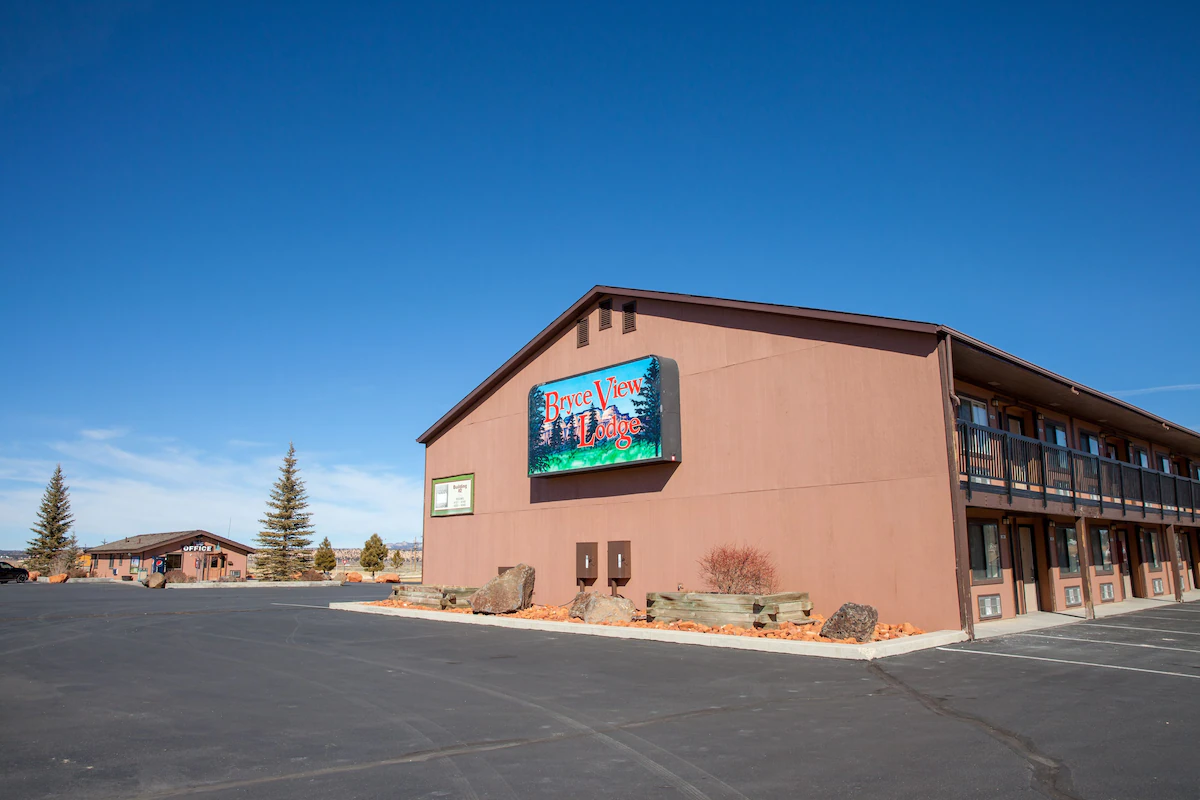
Bryce View Lodge, best budget hotel near entrance
- Located just outside the Bryce Canyon National Park entrance
- Part of the Ruby’s Inn Resort complex
- Soundproofed guest rooms
- Microwaves, refrigerators, and cribs available on request
- Free Wi-Fi in rooms and public areas
- Free self-parking, including RV, bus, and truck parking
- Continental breakfast included
- Pet-friendly (dogs only; fee applies)
- Access to fitness center
- Picnic areas and barbecue grills on site
Bryce View Lodge
Ruby’s Inn Resort complex
- Free WiFi
- Free self-parking
- Continental breakfast included
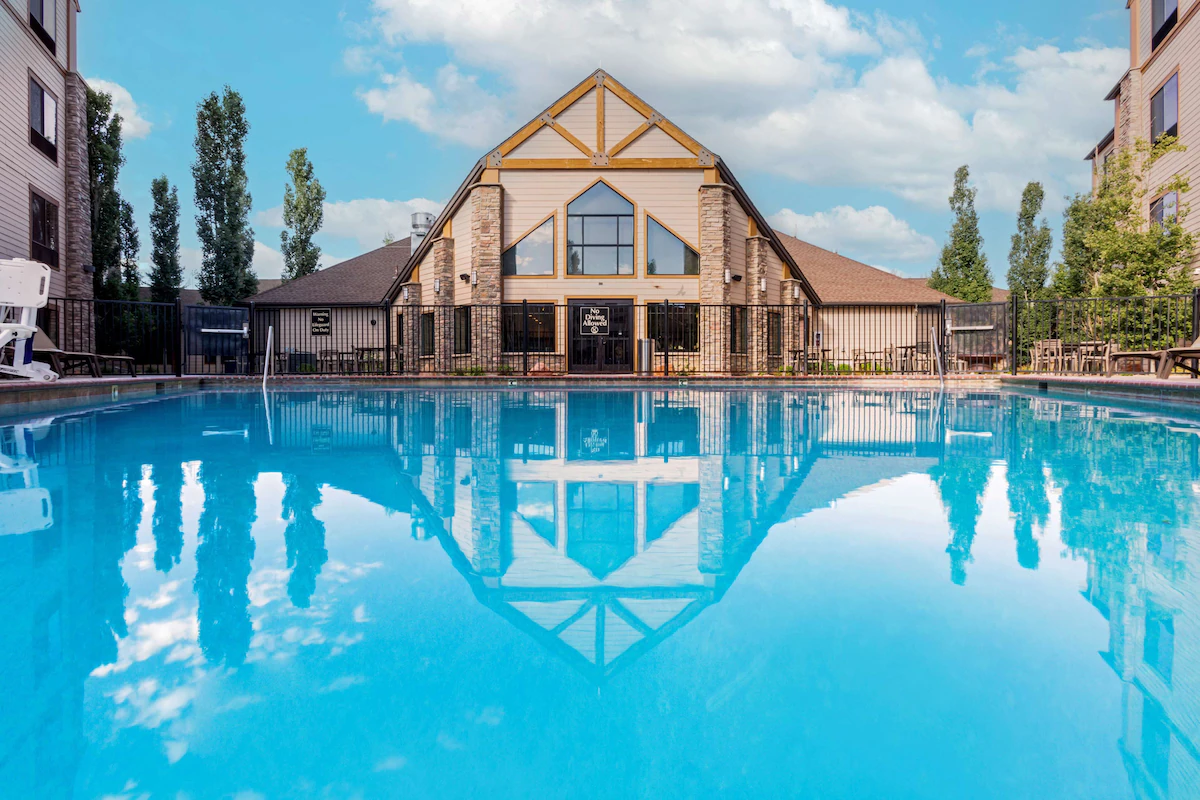
Best Western Plus Bryce Canyon Grand Hotel
- Located near the Bryce Canyon National Park entrance
- Free daily breakfast (6:30–9:00 AM)
- Seasonal outdoor pool (open May 1 to September 30)
- On-site fitness center
- Free Wi-Fi and wired internet access
- In-room microwave and refrigerator
- Elevator access and extensive accessibility features
Bryce Canyon Grand Hotel
Best Western
- Free breakfast daily
- Seasonal outdoor pool
- Free WiFi and wired internet
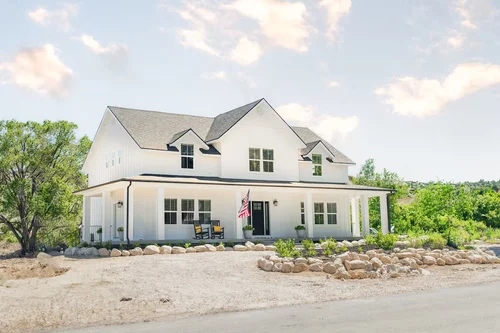
Bryce Canyon Homestead, best for families & groups
- Vacation rental home suitable for groups
- Sleeps up to 8 guests
- Full kitchen
- Multiple living areas
- Private bathroom for each bedroom
- Walking distance to restaurants, grocery store, and town park
- Located near Bryce Canyon National Park
- Good option for families or multi-day stays
Bryce Canyon Homestead
Travel Insurance
Before any trip, I always recommend sorting out your travel insurance. World Nomads offers both single-trip and annual worldwide coverage, and you can get a free quote in just a few minutes to see what it would cost for your trip.
👉 Get Your Free QuoteHow to Get Around Bryce Canyon National Park
Driving Your Own Car
You can drive your own car inside Bryce Canyon, but I don’t recommend it during peak season unless you arrive very early.
There is only one main road and limited parking at the viewpoints. Parking fills quickly, especially between late morning and early afternoon.
👉 Pro tip: If you want a photo at the Bryce Canyon National Park sign, you’ll need to drive; the shuttle does not stop there. The sign is located between Ruby’s Inn and the park entrance.
Using the Free Bryce Canyon Shuttle
The freeBryce Canyon shuttle is the easiest way to get around the park. I never waited more than 15 minutes for it, and the shuttle made the entire visit stress-free. Just don’t forget your America the Beautiful pass.
- Runs every 15 minutes
- Very reliable
- Loop system with stops at major viewpoints and trailheads
- Requires a park entrance pass or America the Beautiful pass
- Includes a live shuttle tracker
Bryce Canyon Packing List: What to Pack for Your First Visit
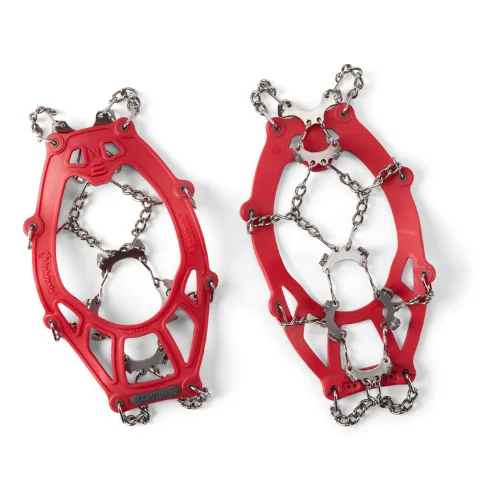
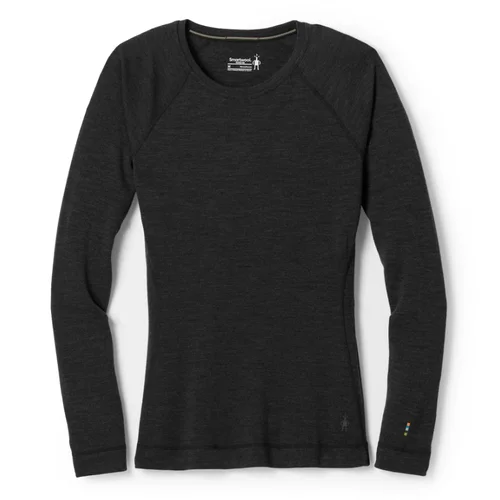
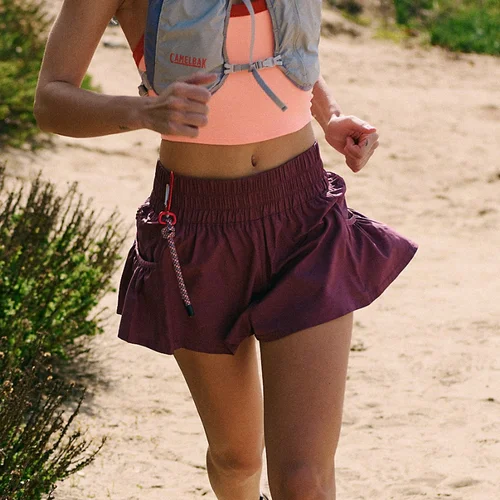
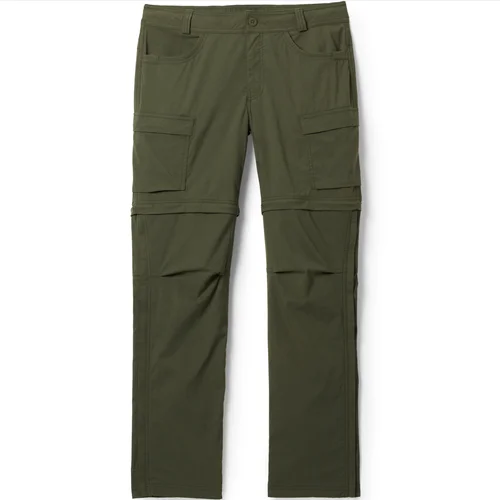
If you’re wondering what should be on your Bryce Canyon packing list, here are a few essentials to keep in mind. And for more of my favorite outdoor gear, check out my curated gear shop!
These are the exact essentials I’d bring for a first visit, especially if you’re hiking below the rim or visiting during colder months.
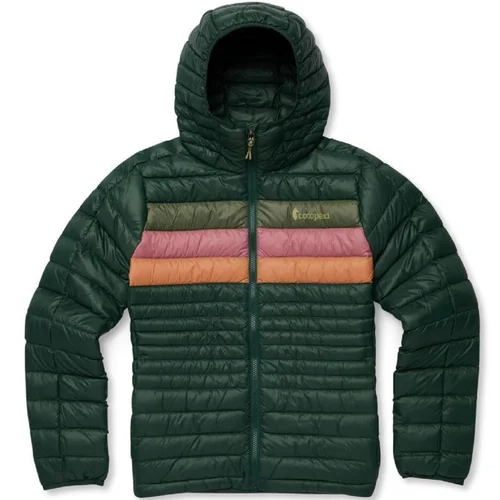
- Layers: Even in July, nights are chilly. A lightweight insulated jacket is a must.
- Traction: If hiking in spring or winter, bring “microspikes” for your boots. The shaded switchbacks stay icy long after the rest of the trail has melted.
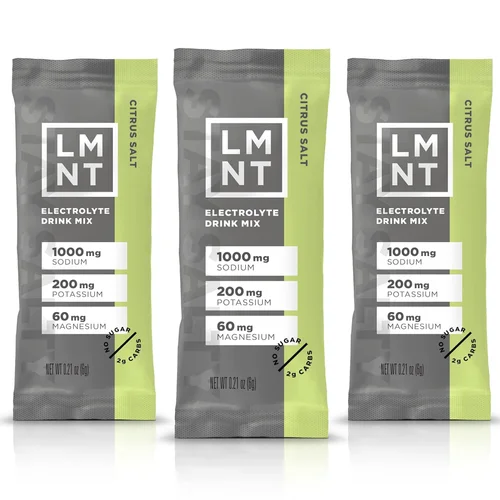
- Hydration: The high elevation will dehydrate you faster than you expect. Carry at least 2 liters of water per person and consider electrolytes.

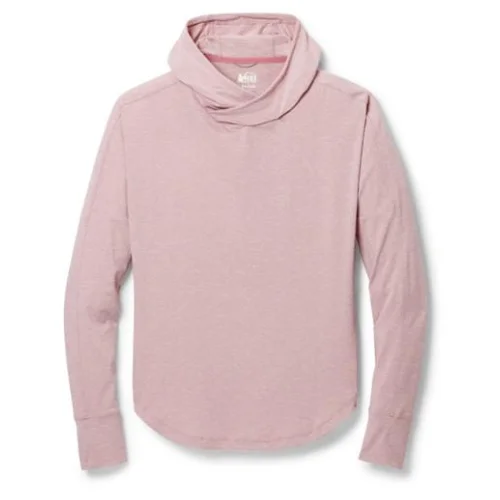
Best Things to Do in Bryce Canyon National Park
Hiking in Bryce Canyon
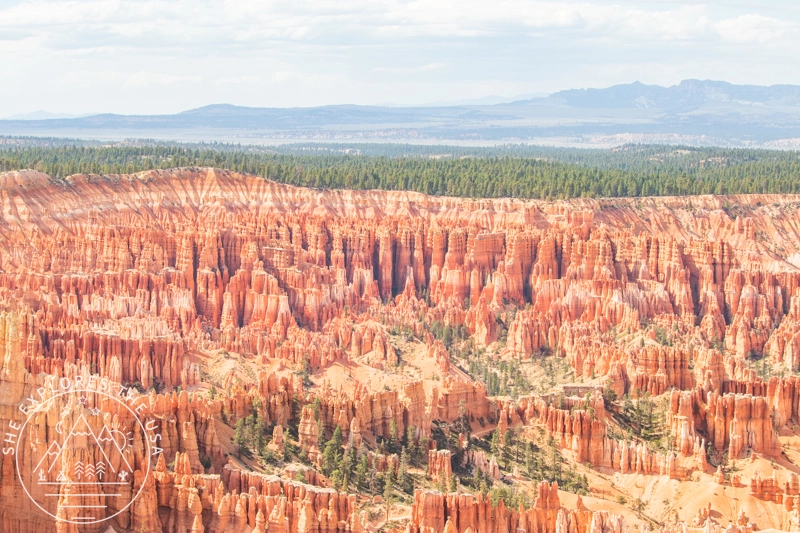
Bryce Canyon offers hikes for all experience levels, from paved rim walks to steep switchbacks that descend into the amphitheater. Many of the Bryce Canyon National Park photos in this guide were taken along these trails, where the hoodoos look completely different depending on the light and time of day. I recommend checking out AllTrails’ top picks and hidden gems, but below are some of my favorite hikes in Bryce Canyon National Park.
🥾 Plan Smarter Hikes with AllTrails
AllTrails is my go-to for trip planning, from checking trail reviews to downloading maps, navigating from my phone, and sending routes straight to my Garmin 67i. Offline maps, alerts, and AI route planning make upgrading to Plus & Peak worth it!
Walk the Rim Trail (Easy)
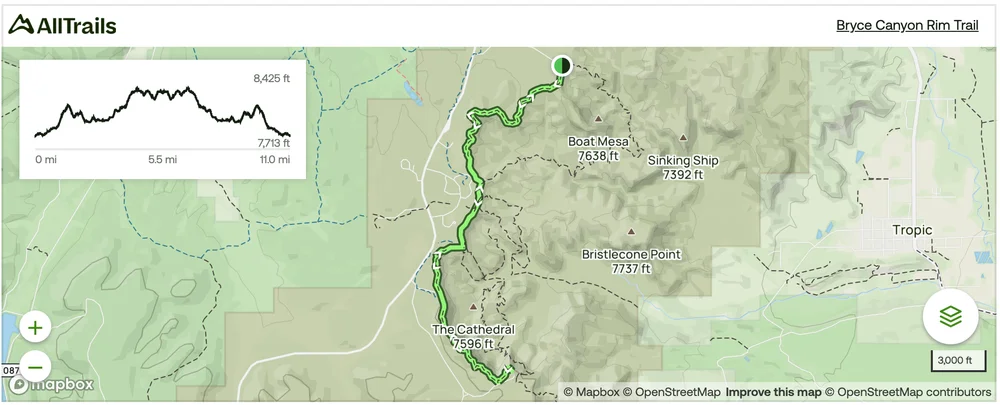
The Bryce Canyon Rim Trail offers nonstop, breathtaking views and connects many of the park’s most famous overlooks.
- The Route: The full trail spans approximately 5.5 miles, running from Bryce Point to Fairyland Point.
- The Shortcut: I took the shuttle from Ruby’s Inn (Stop #5) to Bryce Point, then walked to Inspiration Point. This is a great way to get oriented and enjoy incredible views without a strenuous climb.
- Pet Friendly: The paved section between Sunrise Point and Sunset Point is the only trail in the park where leashed pets are allowed.
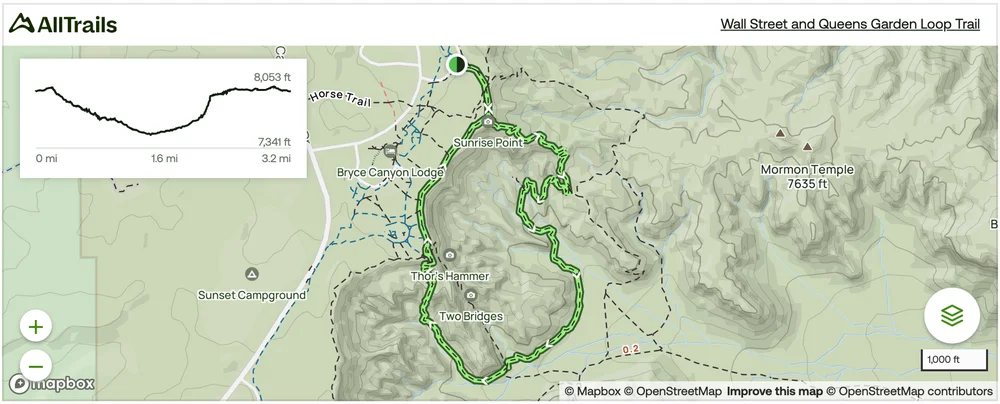
Wall Street and Queens Garden Loop Trail (Moderate)
The Wall Street and Queens Garden Loop Trail is the “must-do” hike in Bryce Canyon and the best way to experience the scale of the hoodoos up close. Queen’s Garden is especially fun for kids, as many of the hoodoos seem to have faces, some resembling the Queen and others forming familiar, imaginative figures.
- Distance: ~3 miles round trip.
- The Strategy: Most hikers recommend going clockwise, starting at Sunrise Point and ending at Sunset Point. This route allows you to descend gently through Queen’s Garden and finish with the dramatic climb up Wall Street.


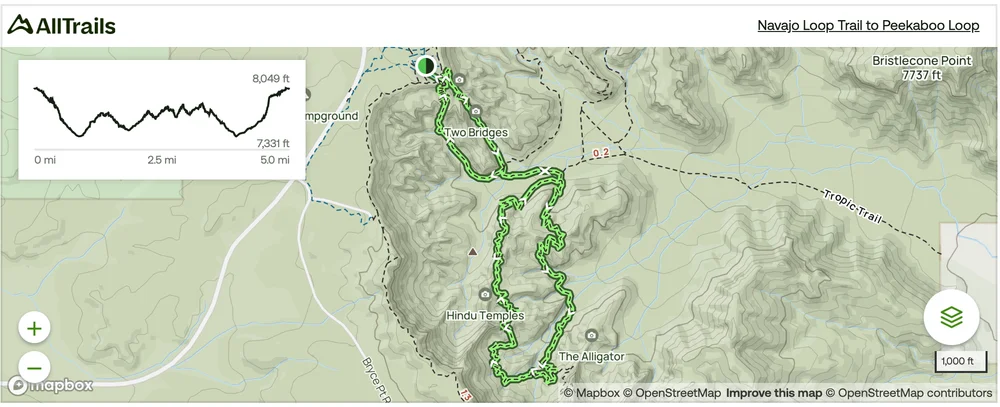
Navajo Loop Trail to Peekaboo Loop (Moderate)
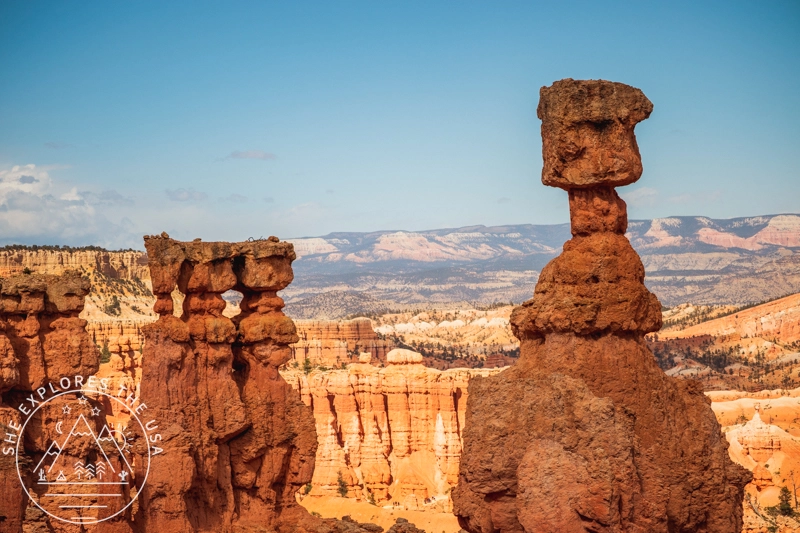
For a more challenging and unforgettable hike, combine the Navajo Loop with the Peekaboo Loop. This route offers nonstop views of towering orange spires and iconic formations like Thor’s Hammer. Be prepared for steep sections, loose gravel, and the occasional horse team passing through.
- Distance: ~5 miles round trip.
- Don’t Miss: Thor’s Hammer, Bryce Canyon’s most famous hoodoo, sits near the top of the Navajo Loop close to Sunset Point.
Other Popular Hikes & Viewpoints
- Fairyland Loop (Moderate/Hard): An 8-mile hike that’s far less crowded and feels like discovering a hidden side of the park.
- Rainbow Point & Yovimpa Point: The highest viewpoints in the park, located at the very end of the scenic drive.
- Bristlecone Loop: a short trail near Rainbow Point through ancient bristlecone pines
- Mossy Cave Trail: A short, easy walk that follows a creek past hoodoos to a small waterfall and a shaded overhang filled with moss in summer and icicles in winter, perfect if you’re short on time and don’t want to hike into the amphitheater.
Watch the Sunrise
Bryce Canyon faces east, making it a world-class spot for sunrise photography.
- Best Spots: While Sunrise Point is the obvious choice, Bryce Point actually offers a wider panoramic view of the sun hitting the hoodoos.
- The “Glow”: For about 15 minutes after the sun clears the horizon, the orange limestone literally looks like it’s glowing from within.
👉 Pro tip: Bring warm layers! Bryce sits between 8,000–9,000 feet, and even summer mornings can feel near freezing.
Stargazing in Bryce Canyon
As an official International Dark Sky Park, Bryce Canyon offers some of the best Milky Way views in the lower 48.
- Pro Tip: Visit during a New Moon for the darkest skies.
- Ranger Programs: Look for the “Dark Ranger” telescope sessions at the Visitor Center; they’re fascinating and well worth your time.
Beyond the Hiking Trails
If your legs need a break from the switchbacks, there are plenty of other ways to explore:
- Biking: While you can’t bike on the dirt trails, there is a 5-mile Shared-Use Path that connects the shuttle station to Inspiration Point. It’s perfect for a breezy afternoon ride and makes a 10-mile round trip.
- Horseback Riding: Canyon Trail Rides is the only outfitter that takes you into the canyon. It’s a very “Old West” experience that saves your knees from the hike back up!
- The Scenic Drive: Don’t just stay at the main amphitheater. Drive the 18-mile Southern Scenic Road to Rainbow Point.
- Hack: Drive to the very end first, then hit all the viewpoints on your way back. This way, all the overlooks will be on your right side, making it much easier to pull over!
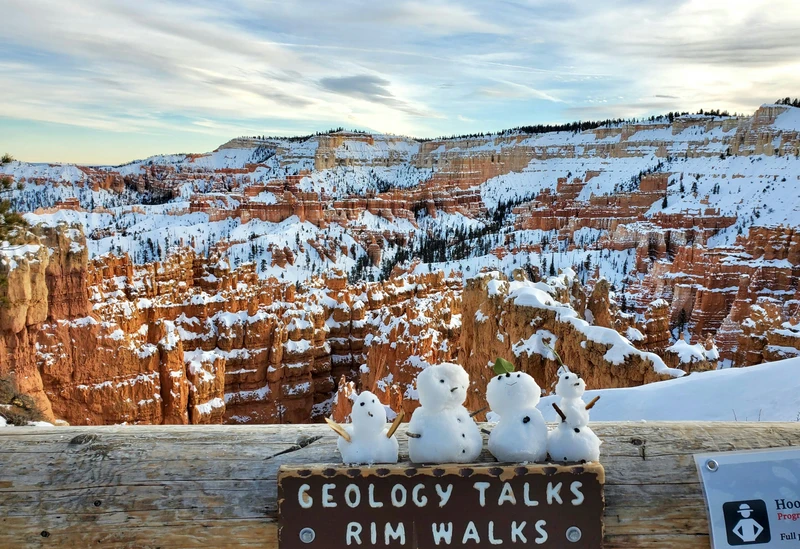
Winter in Bryce (The Hidden Season)
If you visit between December and March, the park can transform into a winter wonderland.
- Snowshoeing: You can rent snowshoes at Ruby’s Inn. The contrast of white snow against orange rock is a photographer’s dream.
- Wildlife: Look for Pronghorn Antelope near the park entrance and Mule Deer in the forested areas. They are much easier to spot against the white snow!
FAQ About Visiting Bryce Canyon National Park
Is Bryce Canyon National Park worth visiting if you don’t hike?
Yes. Bryce is one of the most accessible national parks for non-hikers. Many viewpoints are right off the road or shuttle stops, and the Rim Trail between Sunrise and Sunset Point is paved and mostly flat.
Do you need a shuttle at Bryce Canyon National Park?
You don’t need it, but using the free shuttle during peak season makes the visit much easier. Parking at viewpoints fills quickly, and the shuttle runs frequently to all major stops.
What is the elevation at Bryce Canyon National Park?
Bryce Canyon sits at a high elevation, with most rim viewpoints around 8,000-9,000 feet above sea level, while the bottom of the canyon drops closer to 6,600 feet. The elevation difference can make hikes feel harder than expected, so take breaks, drink plenty of water, and don’t push too hard on your first day.
Can you visit Bryce Canyon in one day from Zion National Park?
Yes, but it will be a long day. Bryce Canyon is about 1.5–2 hours from Zion. If possible, staying overnight near Bryce allows you to experience sunrise, sunset, and stargazing, which are some of the park’s best moments.
Is Bryce Canyon cold in the summer?
It can be. While daytime highs are usually pleasant, mornings and evenings are often chilly, even in July and August. Layers are essential year-round.
Are pets allowed in Bryce Canyon National Park?
Pets are allowed only in limited areas. Leashed pets can walk on paved roads, campgrounds, and the paved section of the Rim Trail between Sunrise and Sunset Point. Pets are not allowed on most hiking trails or inside the amphitheater.
Is Bryce Canyon good for families and kids?
Yes. Short hikes like Queen’s Garden, easy viewpoint access, ranger programs, and wide-open spaces make Bryce a great national park for families, especially with kids who enjoy exploring and spotting unique rock formations.
Final Thoughts on Visiting Bryce Canyon National Park
Bryce Canyon completely exceeded my expectations. From the hoodoos to the quiet mornings on the Rim Trail, it’s a park that feels both dramatic and peaceful at the same time. If this is your first Bryce Canyon National Park visit, take advantage of the shuttle, hike into the canyon at least once, and don’t skip sunrise or stargazing if the weather cooperates. It’s one of those places that sticks with you, and I already know I’ll be back.
Post originally published on December 27, 2025, and last updated on April 5, 2026.