Things to Do in Organ Pipe Cactus National Monument

DISCLOSURE: This post may contain affiliate links. If you purchase after clicking one of my links, I may earn a small commission at no extra cost to you. As an Amazon Associate, I earn from qualifying purchases. For more information, see my disclaimer.
Organ Pipe Cactus National Monument is one of the Southwest’s most underrated parks, and that’s exactly what makes it so special. No crowds, no long entrance lines, just wild Sonoran Desert, towering cacti, and some of the darkest skies you’ll ever see. I booked this trip at 1 am on a Saturday, left San Diego less than 12 hours later, and after spending four days there, I was genuinely sad to leave. If you’re wondering whether it’s worth the detour, it absolutely is. This guide covers the best hikes, both campgrounds, the Ajo Mountain Drive, and a full day-by-day trip report from my recent stay.
- What Is Organ Pipe Cactus National Monument?
- Hiking at Organ Pipe Cactus National Monument
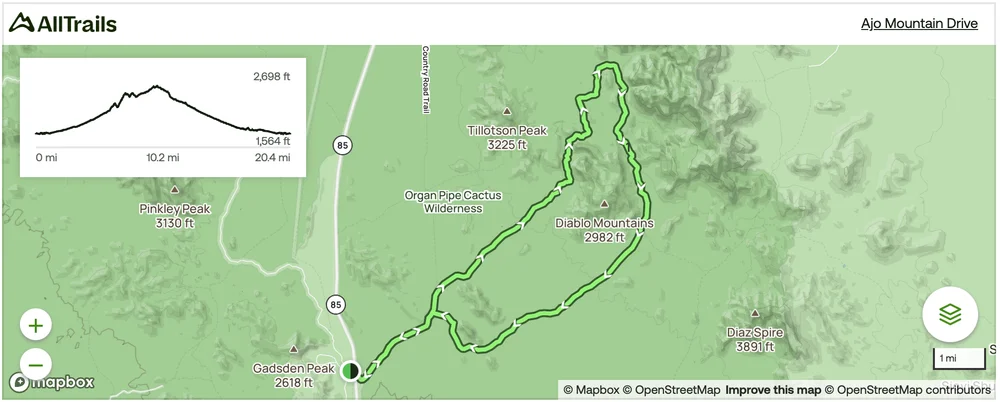
- Ajo Mountain Drive: The 21-Mile Scenic Loop
- Stargazing and Astrophotography at Organ Pipe
- Wildlife Watching and Birding
- Ranger Programs
- My 4-Day Trip Report at Organ Pipe Cactus National Monument
- Best Time to Visit Organ Pipe Cactus National Monument
- Essential Packing List
- Practical Tips
- Frequently Asked Questions About Organ Pipe Cactus National Monument
- Final Thoughts about Organ Pipe Cactus National Monument
What Is Organ Pipe Cactus National Monument?
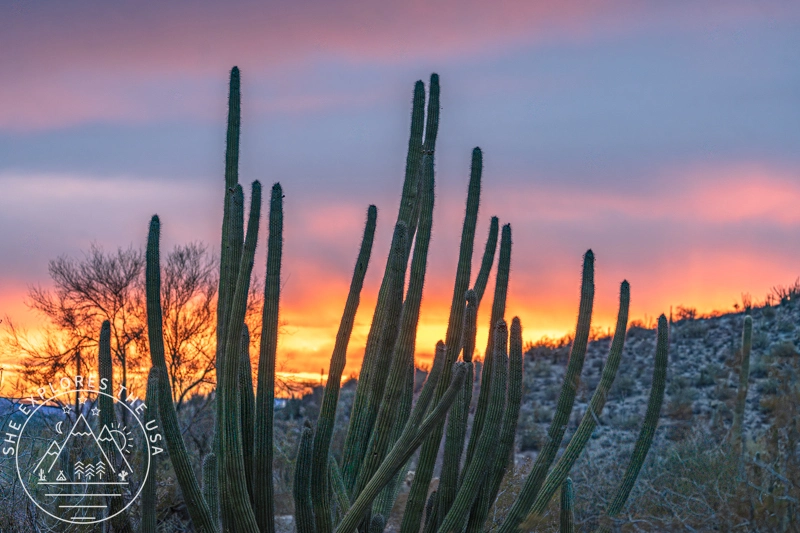
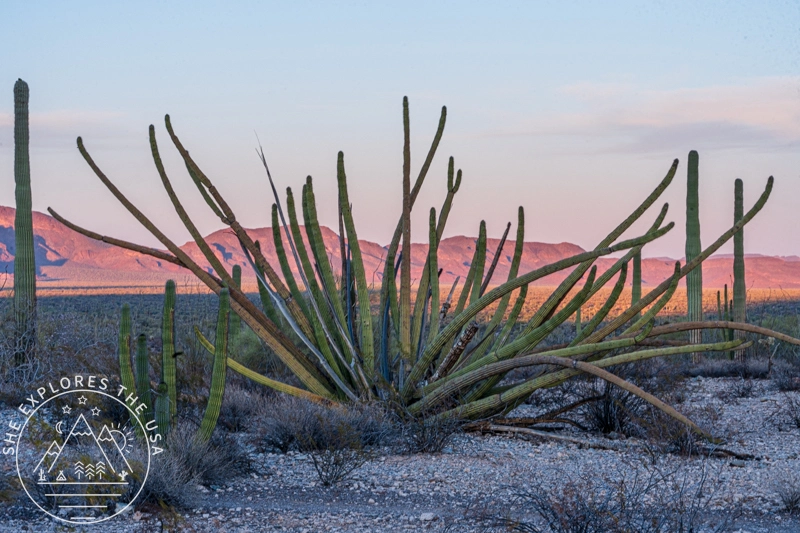
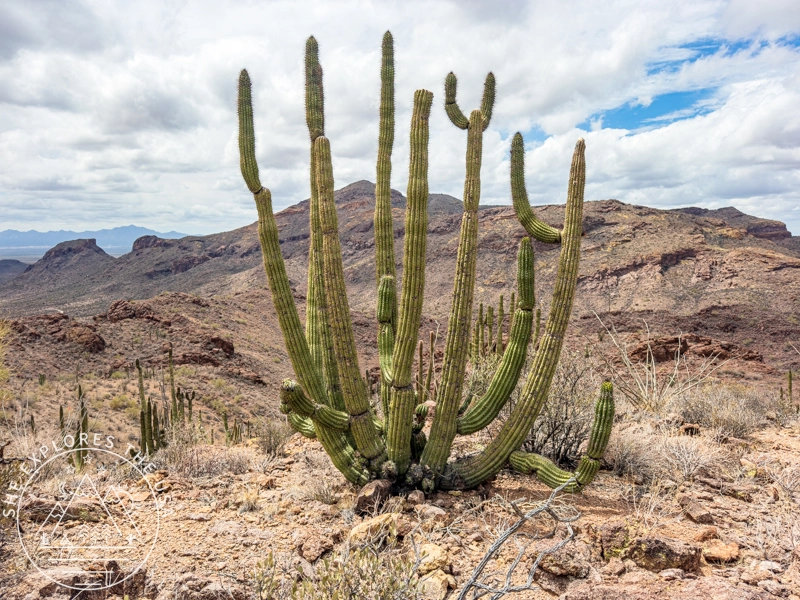
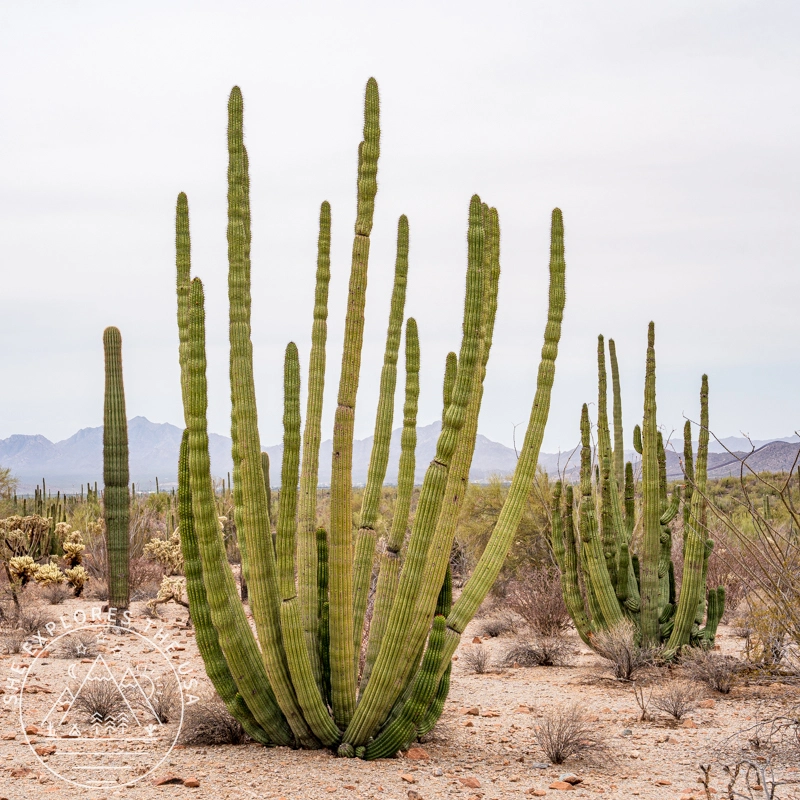
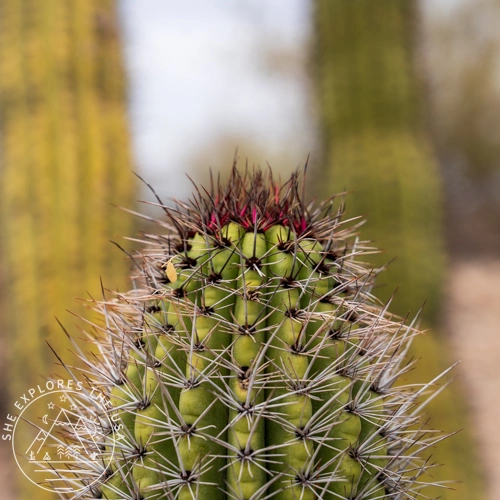
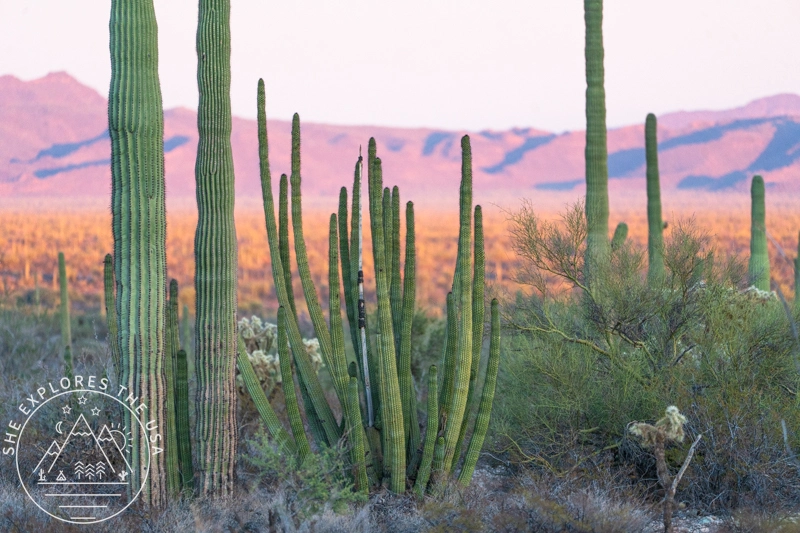
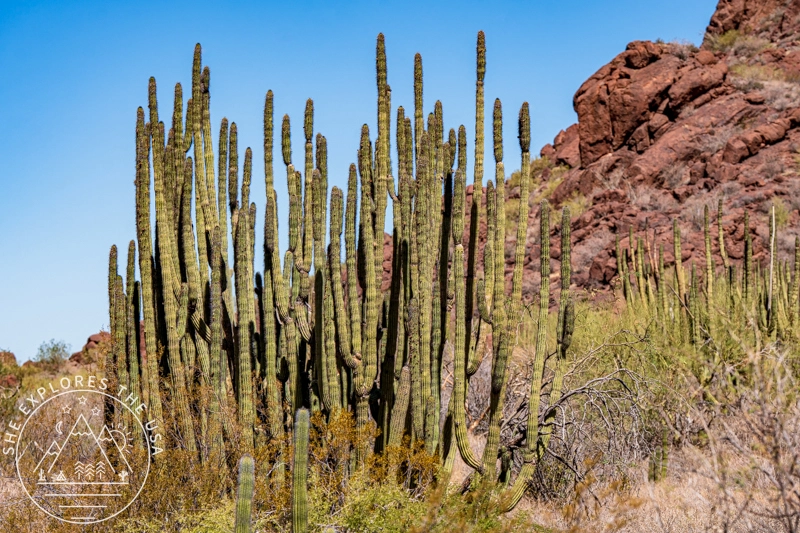
Organ Pipe Cactus National Monument is a 330,000-acre protected wilderness area in southwestern Arizona, right along the US-Mexico border. It’s named after the organ pipe cactus, a stunning columnar cactus with multiple arms that rises from a single base, resembling the pipes of a church organ. Unlike the iconic saguaro, organ pipe cacti grow almost exclusively in Mexico, making this park one of the only places in the United States where they grow in abundance.
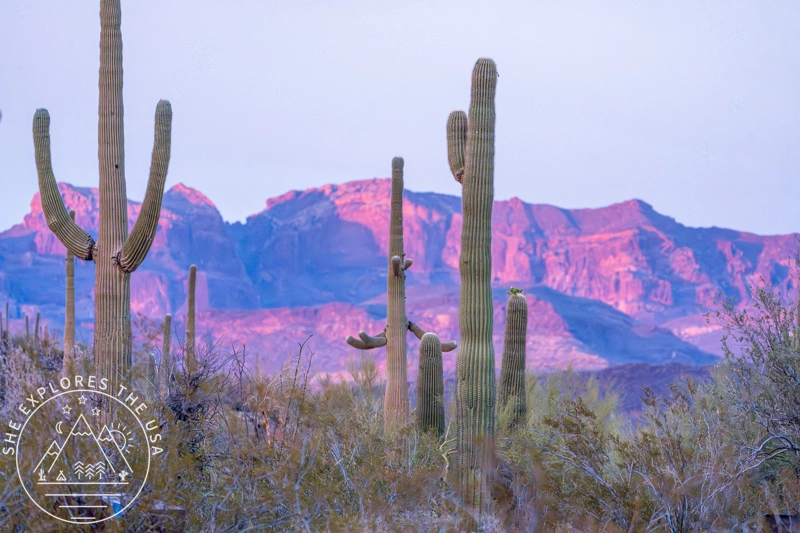
The park sits within the Sonoran Desert, which, despite its scorching reputation, is actually one of the most biodiverse deserts in the world. Here you’ll find not just organ pipe cacti, but saguaros, cholla, palo verde trees, ocotillo, and dozens of other species. Wildlife is everywhere, too: javelinas, mule deer, roadrunners, coyotes, Gila woodpeckers, and if you’re lucky, a glimpse of the elusive Sonoran pronghorn.
The monument is also a certified International Dark Sky Park, meaning the stargazing here is world-class. On a clear night, the Milky Way stretches across the entire sky, and the silhouette of cacti against the stars is something you genuinely won’t forget.
Where Is Organ Pipe Cactus National Monument? How to Get There
The park is located near the small town of Lukeville, Arizona, about 140 miles south of Phoenix and roughly 45 miles south of the town of Ajo.
The nearest groceries are in Ajo, about 35 miles north of the visitor center, so stock up before you head in. For gas, there’s actually a station on the US side of the border in Lukeville, just 10–15 minutes from the campground, so you’re not completely stranded if you’re running low. That said, don’t rely on it as your primary fuel stop; fill up in Ajo or before you leave your departure city to be safe.
The stretch of highway from Gila Bend through Ajo and into the park gets more and more dramatic the further south you drive, the cacti start appearing in earnest, and the desert opens up in a way that feels cinematic.
Driving directions from major cities
- From Phoenix: Head south on I-10 to AZ-85 S. The drive is about 2.5 hours.
- From Tucson: Head west on AZ-86 and then south on AZ-85. About 2 hours.
- From San Diego: Take I-8 east to Yuma, then AZ-95 north to Gila Bend, then AZ-85 south. Allow about 4.5–5 hours for the roughly 300-mile drive.
Entrance Fees and Hours
Organ Pipe Cactus National Monument is open year-round, 24 hours a day. Note that the park is cashless, credit and debit cards only, no cash accepted at any fee station or the visitor center.
Standard entrance passes (valid 7 days)
- Private vehicle: $25 (covers all passengers)
- Motorcycle: $20
- Individual on foot or bicycle (age 16+): $15
- Children under 16: free
Organ Pipe Annual Pass: $45, valid for one year from the month of purchase. Good value if you plan to visit more than once.
America the Beautiful: National Parks and Federal Recreational Lands Pass: This is the one to get if you visit more than one national park or federal recreation site in a year. The standard resident annual pass is $80 and covers entrance fees across the National Park Service, US Forest Service, Bureau of Land Management, and more.

America the Beautiful Pass
America the Beautiful Pass Unlock a year of unforgettable adventures with the America the Beautiful Pass, your all-access ticket to over 2,000 federal recreation sites across the United States. From iconic National Parks to hidden…
Where to Stay: Camping at Organ Pipe Cactus National Monument
There are two campgrounds in the park, both of which must be reserved in advance on Recreation.gov. There are no hotels inside the monument, and the nearest lodging is in Ajo.
Twin Peaks Campground
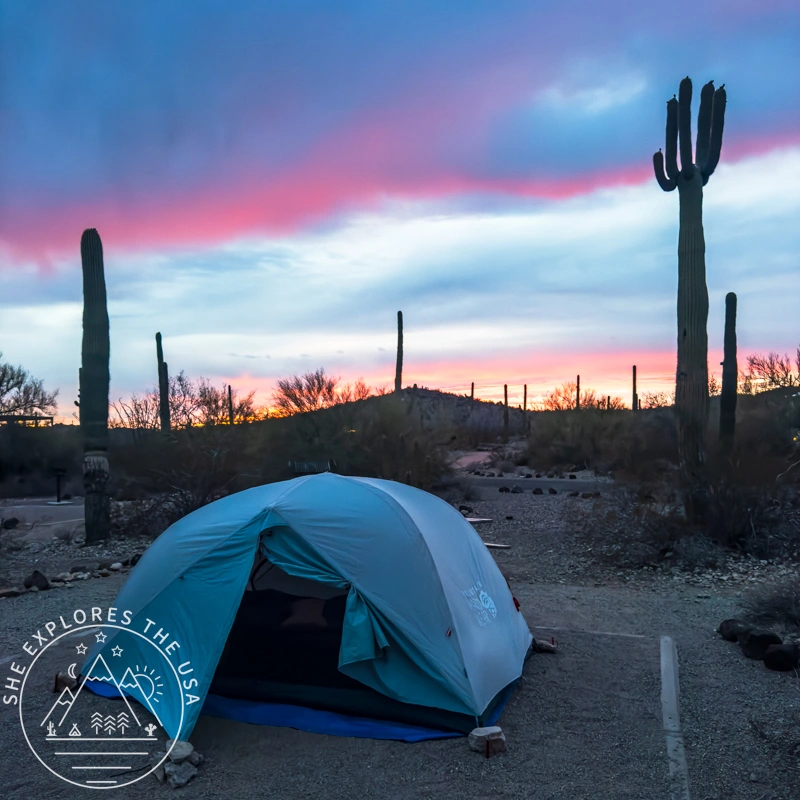
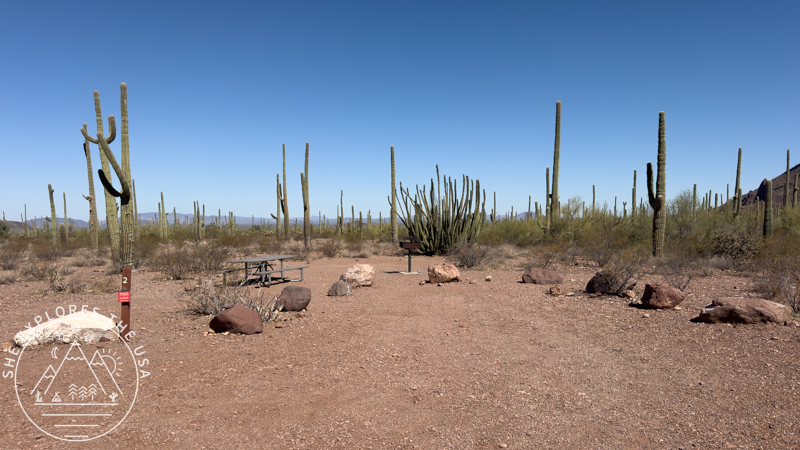
Twin Peaks Campground is a large, well-equipped camping area with 208 sites available for $20 per night, open year-round. It can accommodate RVs up to 45 feet and offers a dump and fill station, though there are no hookups. The campground includes both tent-only and generator-free zones, making it flexible for different camping styles. Visitors have access to six restrooms with running water and free solar-heated showers. There are limited shade structures and accessible sites available, and a campground host is present during the winter months.
Sites are spread across a large, relatively open desert landscape with views of the surrounding mountains and, if you get lucky with your site placement, some beautiful cacti right on your doorstep.
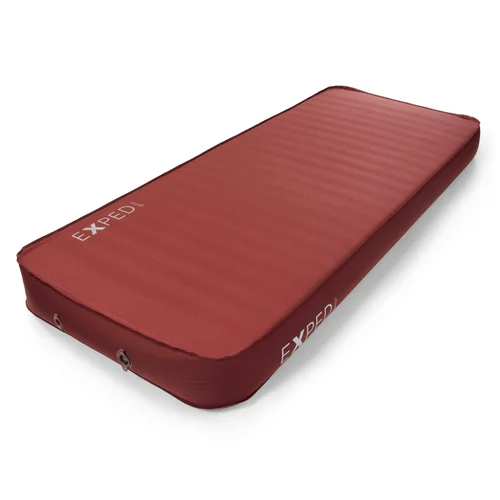
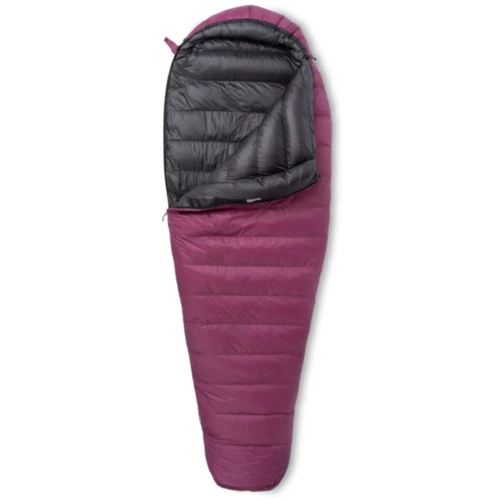
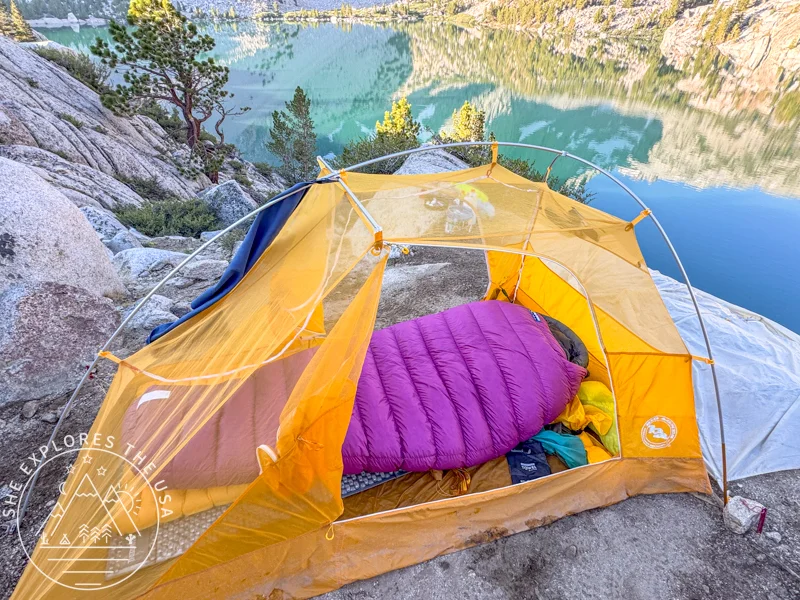
Gear I used and recommend for camping here
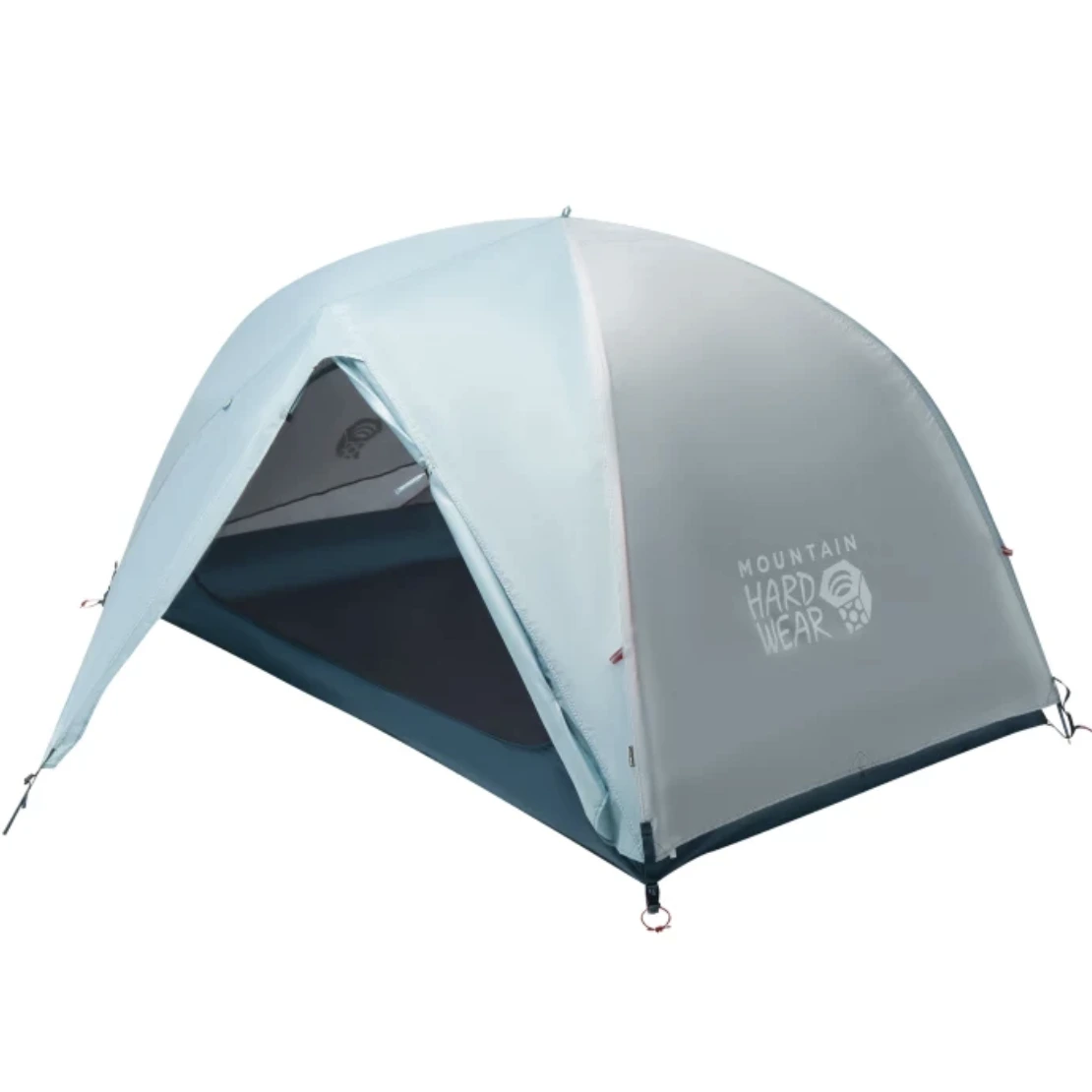
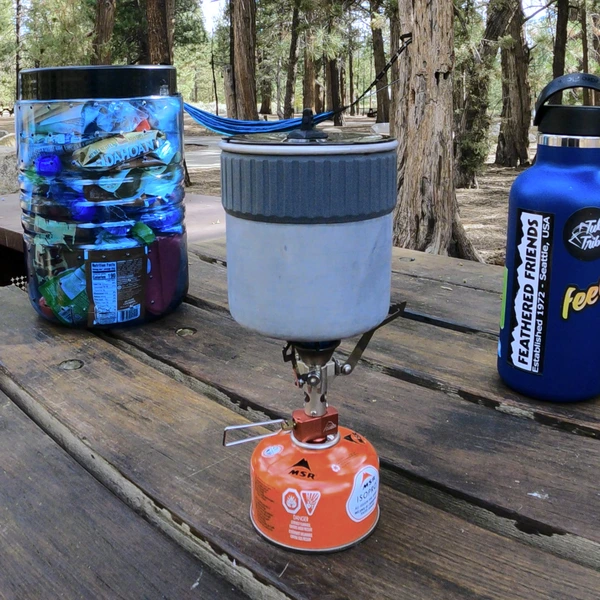
Alamo Canyon Campground
Alamo Canyon Primitive Campground is a small, quiet camping area with four sites available for $16 per night. It’s open year-round and is designed for tent or car camping only, with no access for RVs or trailers. The campground maintains a peaceful atmosphere by prohibiting generators, and while it does provide vault toilets, there is no running water on-site. You can find Alamo Canyon between mileposts 64 and 65 on the east side of Highway 85.
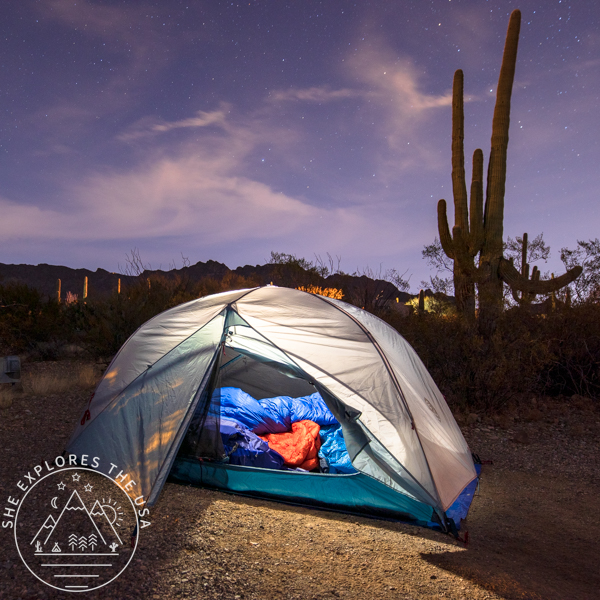
It puts you right in the middle of the cacti. I mean, right in the middle, organ pipe cacti, saguaros, cholla all around you. It’s one of those camping spots that genuinely feels like sleeping inside a nature documentary.

Hiking at Organ Pipe Cactus National Monument
The park has over 28 miles of established trails, ranging from a short accessible loop to strenuous backcountry routes. A few are ADA accessible or pet-friendly; ask at the visitor center for specifics. I’d recommend downloading the park’s NPS app, or AllTrails, before you arrive, so you have offline trail maps ready to go; cell service inside the park is essentially nonexistent. (There will be wifi access at the visitor center, though!).
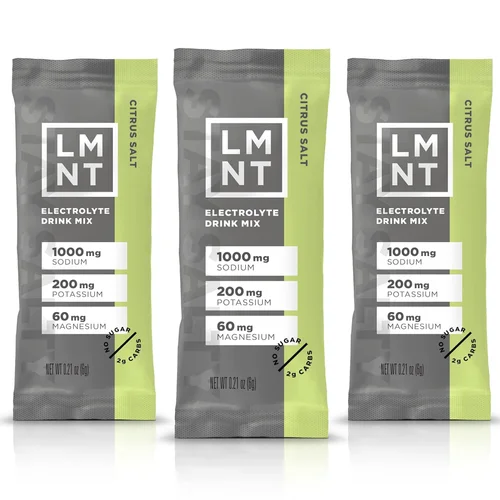
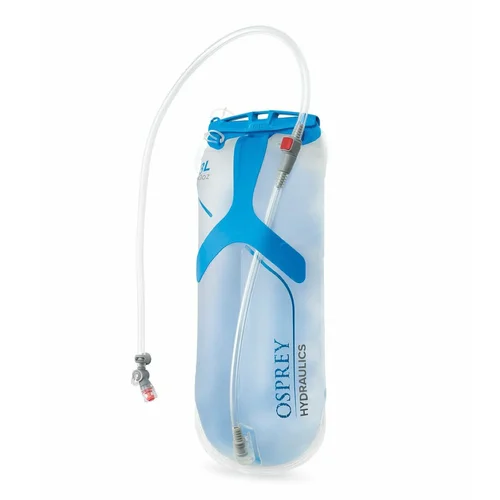
For all desert hiking, carry at least 1 liter of water per hour and avoid the trails during midday heat from May through September. Wear sturdy footwear as the terrain gets rocky on most trails beyond the easy loops.
🥾 Plan Smarter Hikes with AllTrails
AllTrails is my go-to for trip planning, from checking trail reviews to downloading maps, navigating from my phone, and sending routes straight to my Garmin 67i. Offline maps, alerts, and AI route planning make upgrading to Plus & Peak worth it!
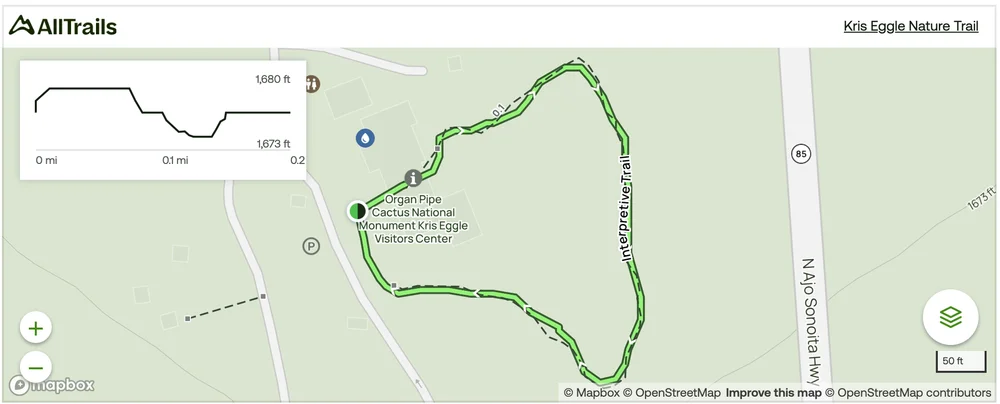
Visitor Center Nature Trail: 0.1 mile, ADA accessible
The Visitor Center Nature Trail is a short brick path that starts right at the Kris Eggle Visitor Center and loops around to the parking lot. It’s fully ADA accessible and pet-friendly, making it a great option if you have mobility considerations or just want a quick stretch of the legs. The highlight is a small pond along the path that’s home to the endangered Quitobaquito pupfish, a tiny fish found naturally in only a handful of places worldwide. Short, easy, and genuinely interesting. Worth 10 minutes of your time, even just to see the pupfish exhibit.
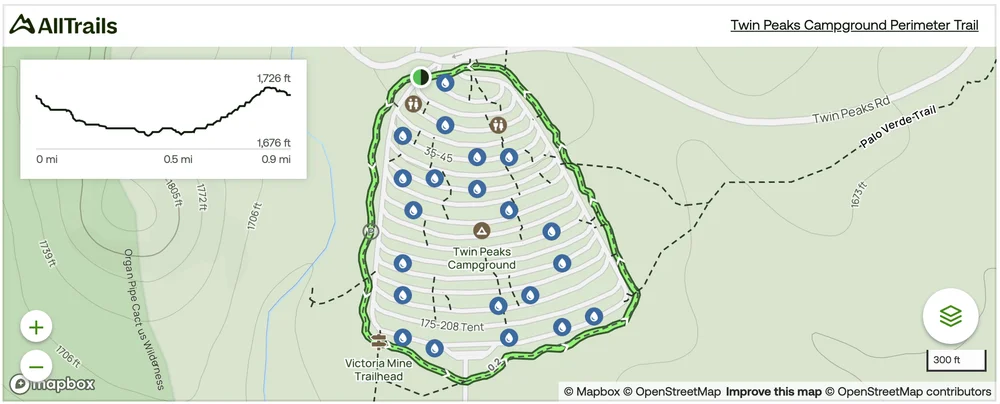
Campground Perimeter Trail: 1 mile, easy
Campground Perimeter Trail is a flat loop around the Twin Peaks Campground area. The western section is ADA accessible. It’s a nice way to stretch your legs in the morning or evening without driving anywhere. I walked this one in the late afternoon; it’s pleasant but not a destination hike. Good for families, dog walking, or anyone wanting an easy stroll among the desert vegetation.
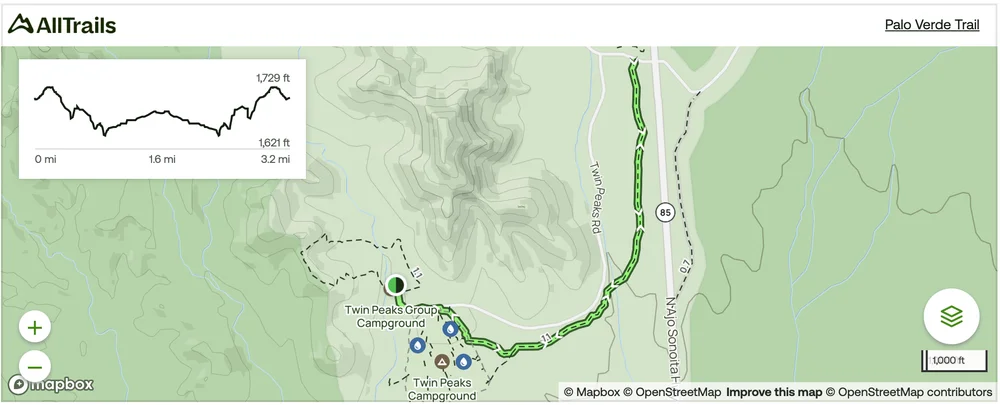
Palo Verde Trail: ~1 mile, easy
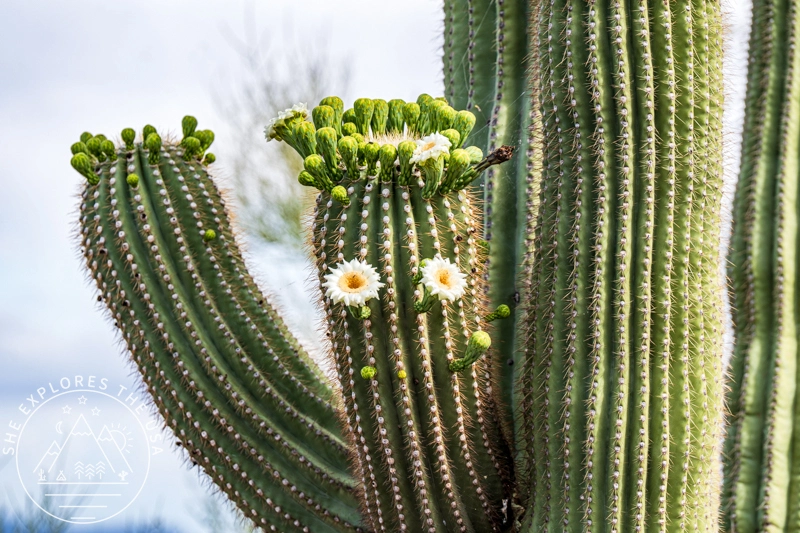
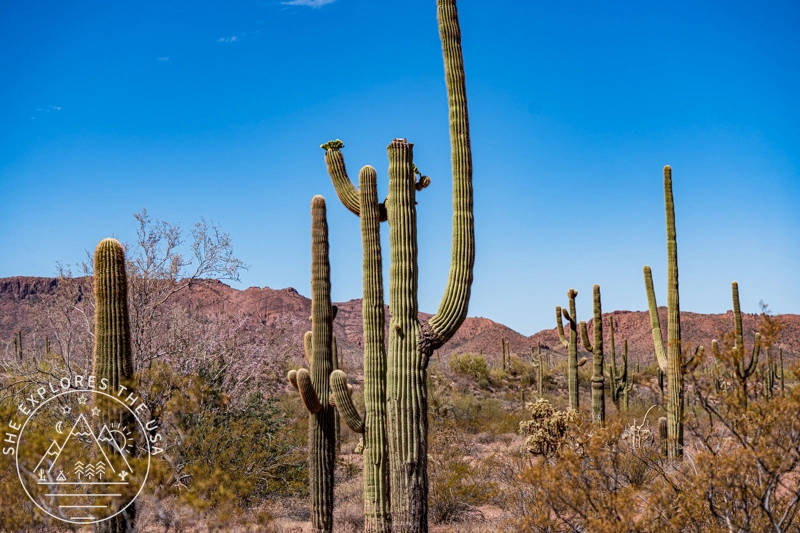
On the drive into the campground, I spotted a blooming saguaro from the road and had to stop and photograph it, so I headed out on the Palo Verde Trail to get to it. It’s a relatively flat, easy trail connecting the campground to the visitor center, winding through typical Sonoran Desert scrub.
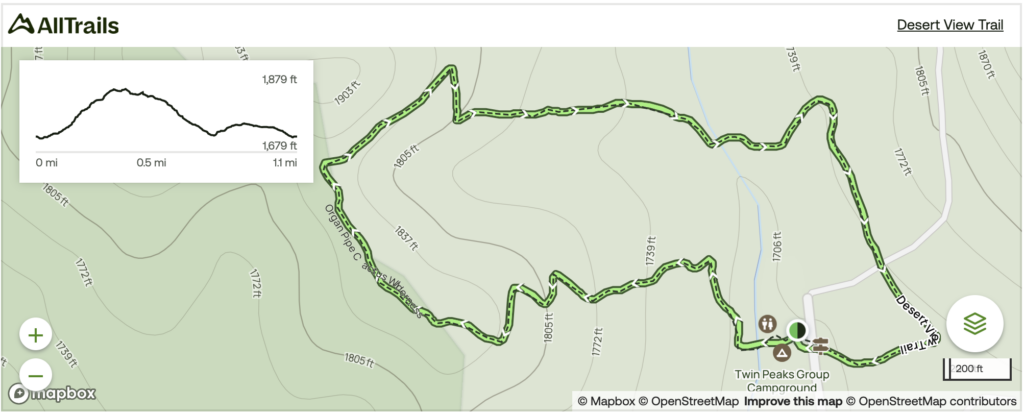
Desert View Trail: 1.1 miles, easy to moderate
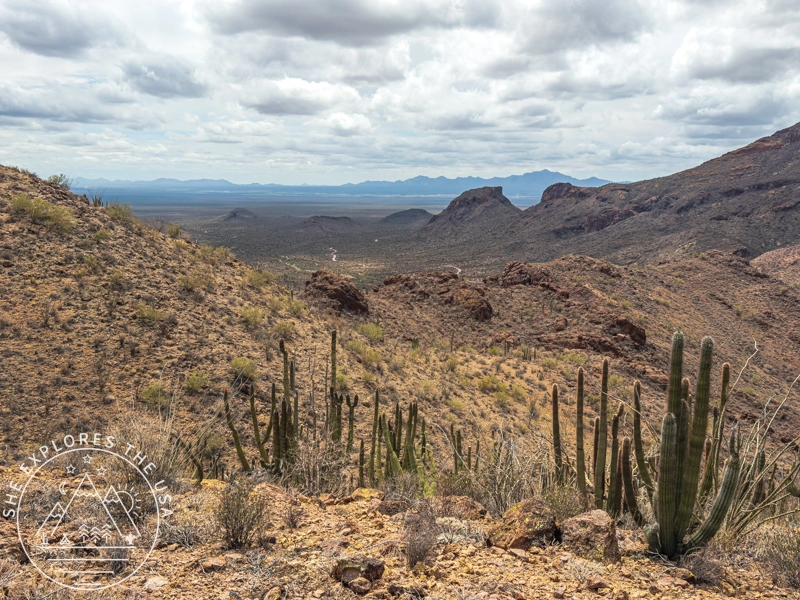
The Desert View Trail is easy to follow and gains a modest amount of elevation to a viewpoint with two benches where you can sit and take in the surrounding desert and mountains. It’s genuinely beautiful up there. According to the rangers, it’s the park’s best option for sunset as well.
This was my first hike in the park; it gives you good desert views without too much exertion, and the interpretive signage does a great job explaining the ecology around you. Great for beginners, families, or anyone who wants a quick hike before it heats up.
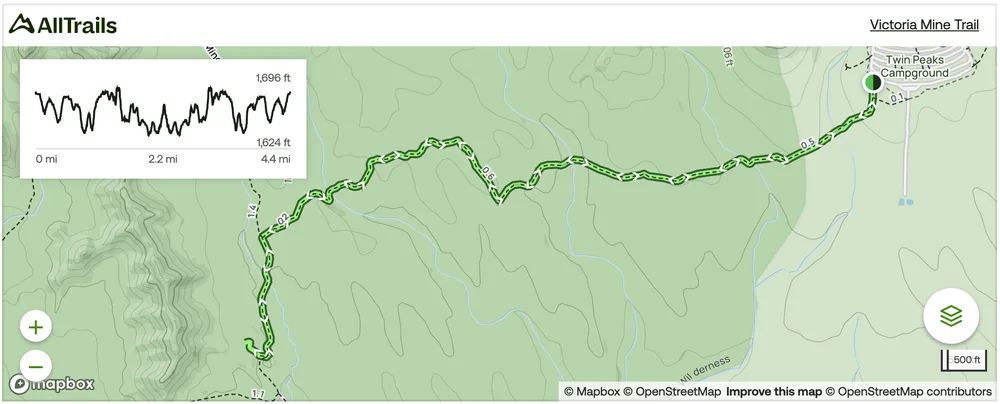
Victoria Mine Trail: 4.4 miles out and back, moderate
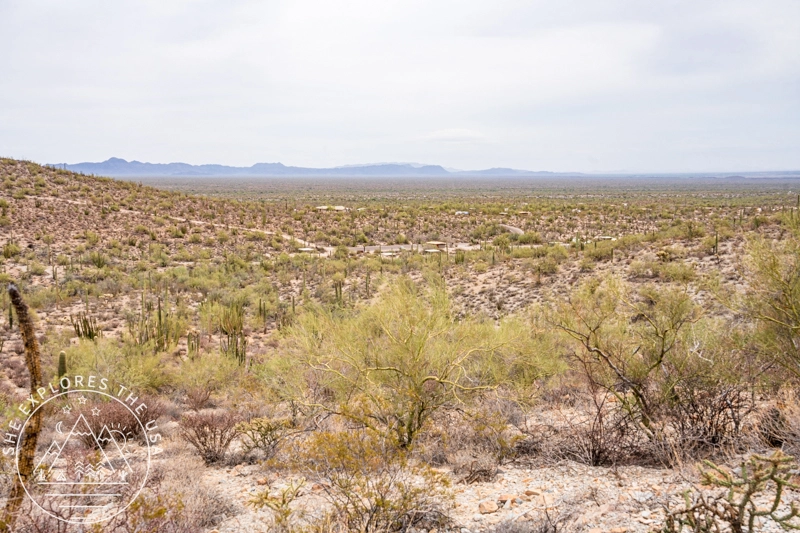
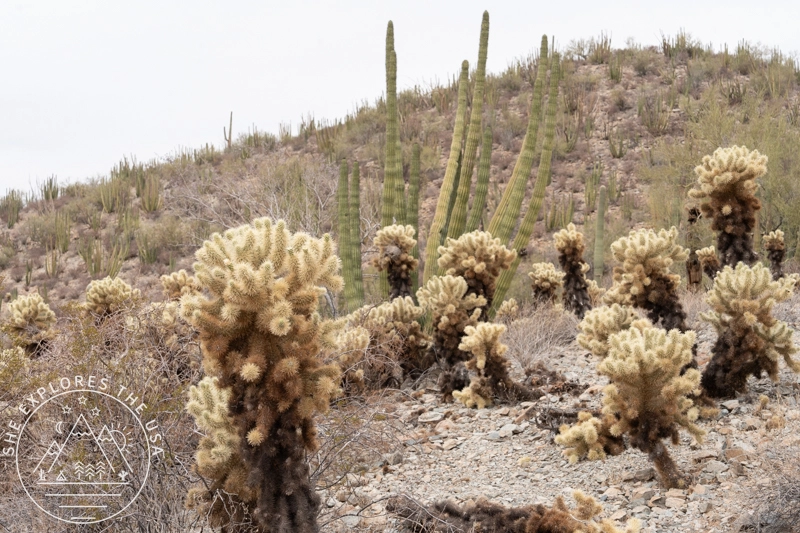
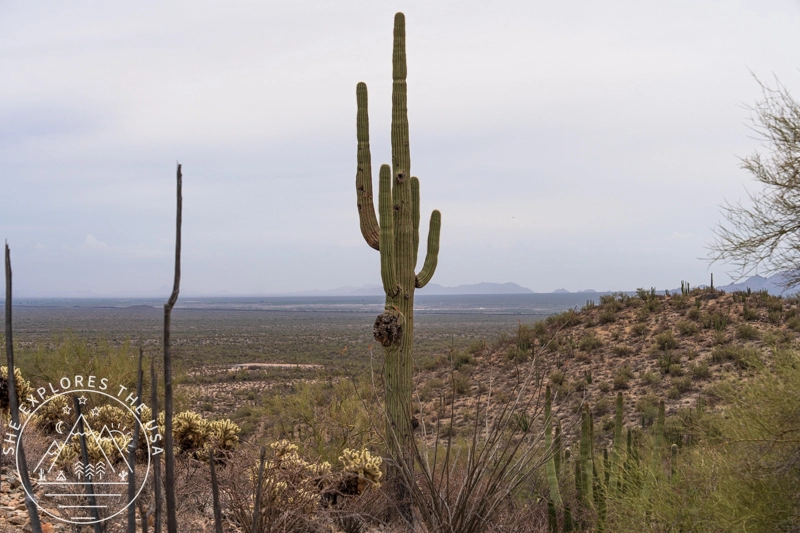
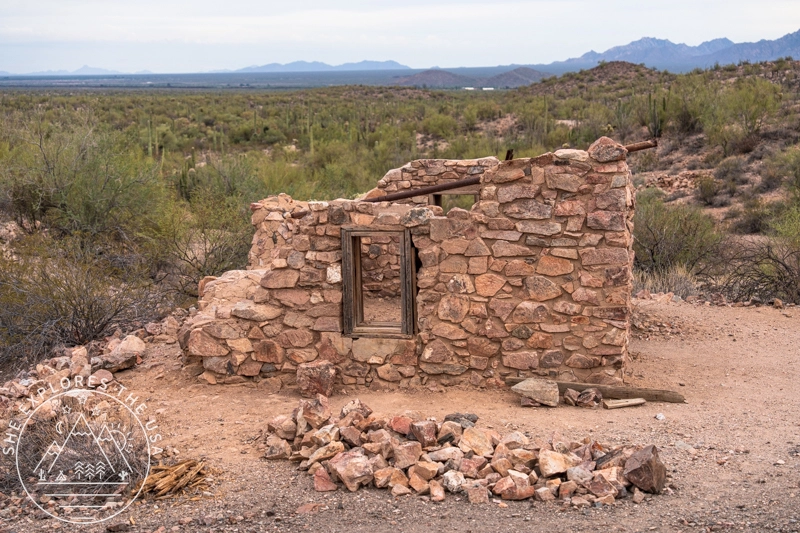
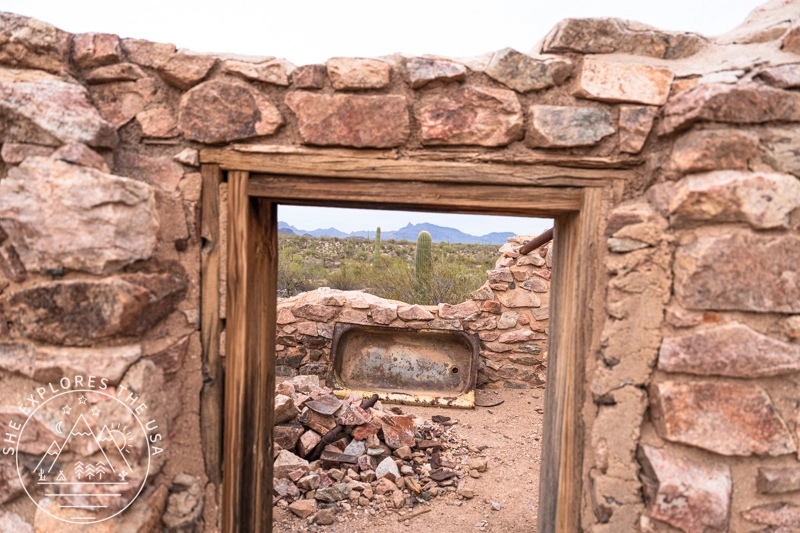
The Victoria Mine trail starts right from the Twin Peaks Campground area, which is super convenient, and the 2.2-mile route to the ruins winds through some of the park’s most picturesque desert scenery. Every type of cacti seems to be represented along the way, organ pipes, saguaros, cholla, palo verde, and the landscape shifts constantly.
The ruins themselves are surprisingly intact, a doorway and two windows still standing, which gives you a tangible sense of the human history layered over this desert. Don’t rush this hike. It’s the kind of trail where you want to stop every few minutes and just absorb where you are.
Difficulty: Moderate. The terrain is mostly flat with some rocky stretches. Hiking boots or sturdy trail runners are recommended.


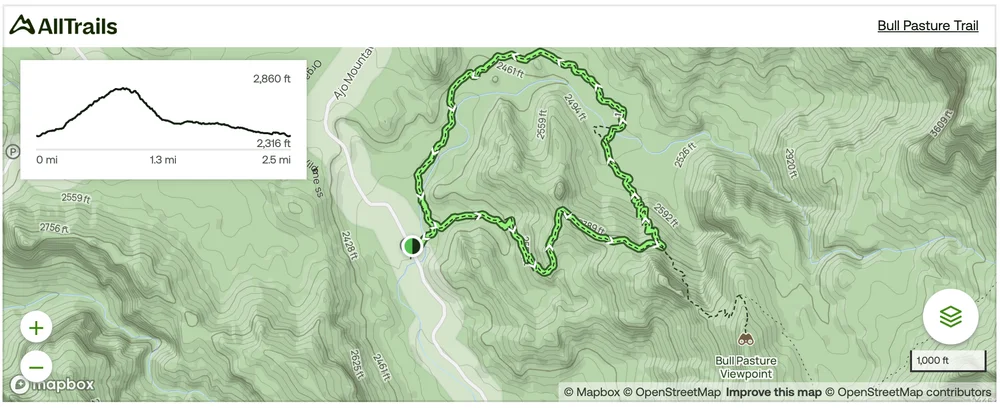
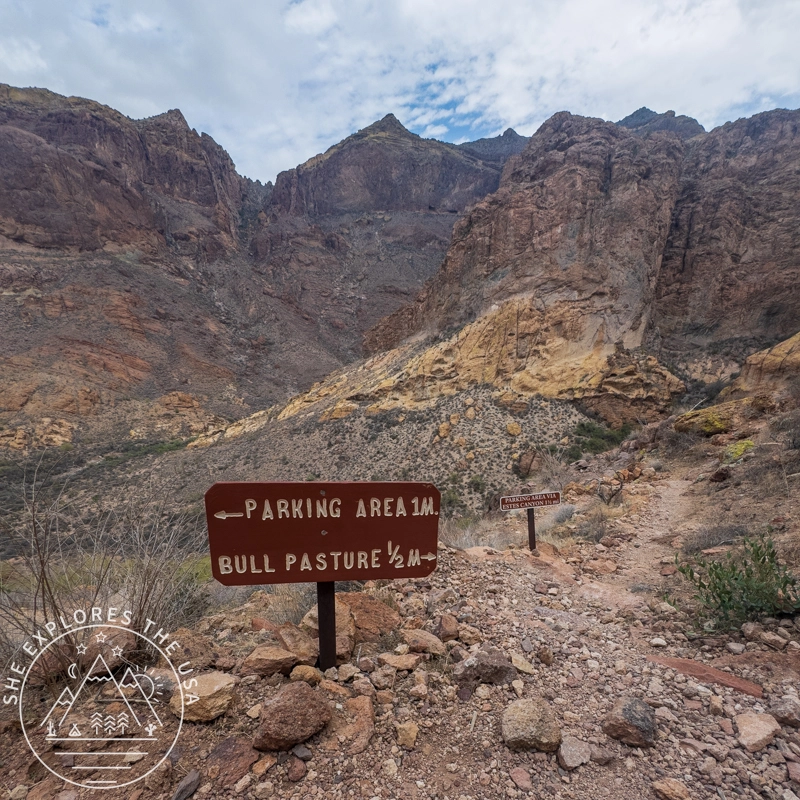
Estes Canyon / Bull Pasture Trail: 4.1 miles, strenuous
The Estes Canyon / Bull Pasture Trail is the most dramatic hike in the park and one of the highlights of the Ajo Mountain Drive. The trail climbs up through Estes Canyon to a viewpoint called Bull Pasture, where ranchers once grazed cattle, and where you now get sweeping panoramic views across the monument. The elevation gain is real, and the terrain gets rocky, but the payoff is outstanding. I did this on Day 3 as part of the Ajo Mountain Drive loop, and it was the perfect mid-drive stretch.
Difficulty: Strenuous. Trekking poles may be useful. Don’t attempt this in the heat of the day in summer.
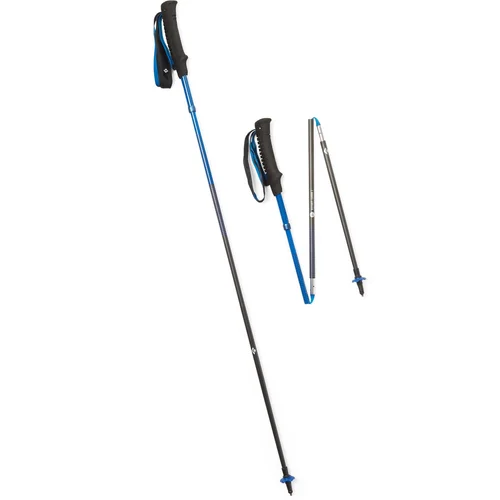
Black Diamond Distance Carbon Z Trekking Poles
Black Diamond Distance Carbon Z Trekking Poles: Ultralight Hiking Poles The Black Diamond Distance Carbon Z trekking poles are the kind of gear you forget you’re even carrying, until you realize how much faster, lighter,…
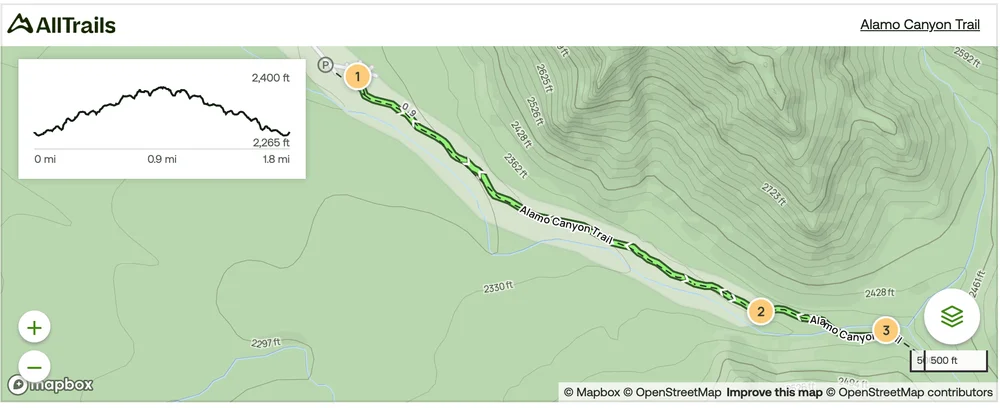
Alamo Canyon Trail: ~2 miles out and back, easy
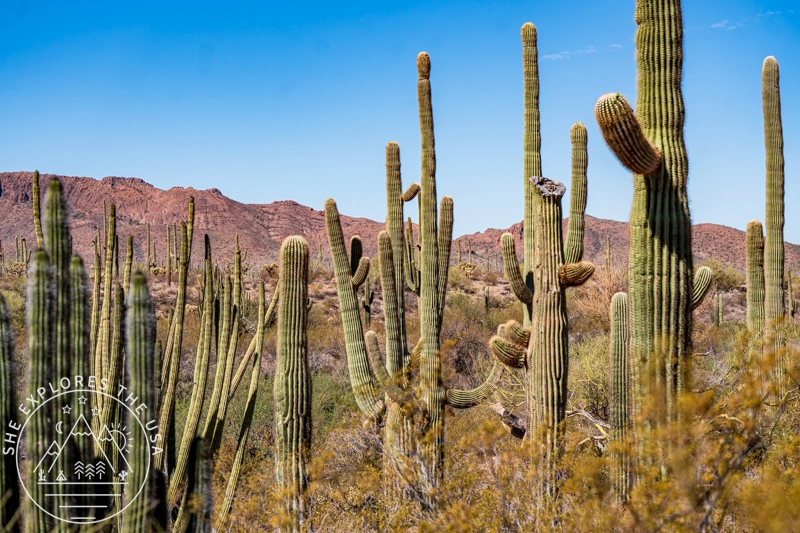
I hiked the Alamo Canyon Trail on my final morning (Day 4), and it was a lovely way to end the trip. The trailhead sits right next to the Alamo Canyon Campground, those 4 primitive campsites I mentioned above, and the trail itself is mostly flat, winding through a canyon corridor lined with cacti. I spotted organ pipe cacti, saguaros, cholla, and more in quick succession. There’s also a ruined building along the route that adds a bit of historical intrigue.
It’s a peaceful, easy trail with a lot of wildlife potential in the early morning. I was on trail by 10 am and back to my car by 10:45 to start the drive home. Perfect final hike.
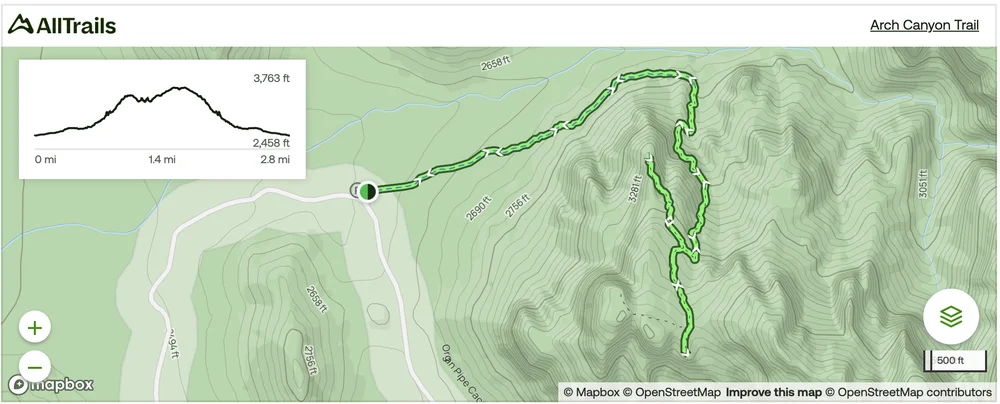
Arch Canyon Trail: 2.8 miles, strenuous
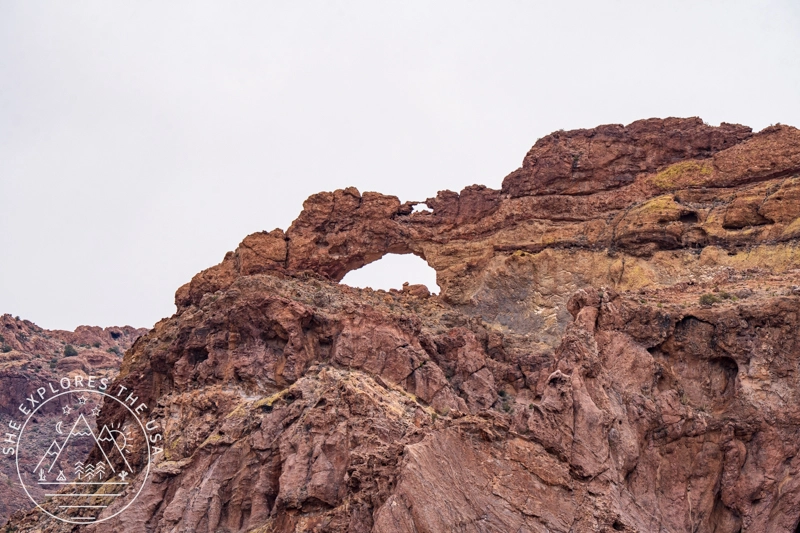
The Arch Canyon Trail also branches off from Ajo Mountain Drive and leads to a natural arch. When I was there, rangers told me the arch was actually best seen from the parking area itself, so I skipped the hike and just appreciated the view from the pullout. Worth knowing before you plan your day around it.
Ajo Mountain Drive: The 21-Mile Scenic Loop
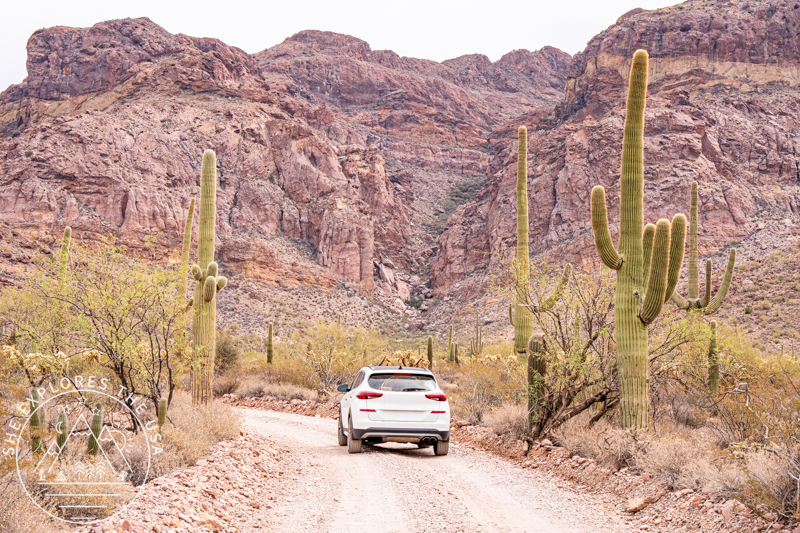
If you only do one thing at Organ Pipe besides hiking, make it the Ajo Mountain Drive. This 21-mile one-way dirt road loops through the heart of the monument and is one of the most scenic drives in Arizona. It takes roughly 2 hours at a leisurely pace, with multiple pullouts, picnic areas, and trailheads along the way.
The road is graded dirt and accessible to regular passenger cars driven carefully. Please note that trailers and RVs exceeding 25 feet in length are not permitted. Additionally, the road is one-way, so there’s no turning back once you begin. Pets are allowed on the road itself but not on the trails branching off from it.
I drove it on my second full day in the park, starting at 10 am and finishing by 1:15 pm; that included stopping at several pullouts, photographing cacti, and doing the Estes Canyon hike mid-loop. The density of organ pipe cacti along this road is genuinely staggering. The drive alone is worth the trip.
Tips for driving Ajo Mountain Drive:
- Start early to beat the heat, especially in spring and summer
- Fill your water bottles before you leave the campground
- Cell service is nonexistent; download offline maps in advance for extra precaution, but the road is very easy to follow, so you cannot get lost
Stargazing and Astrophotography at Organ Pipe
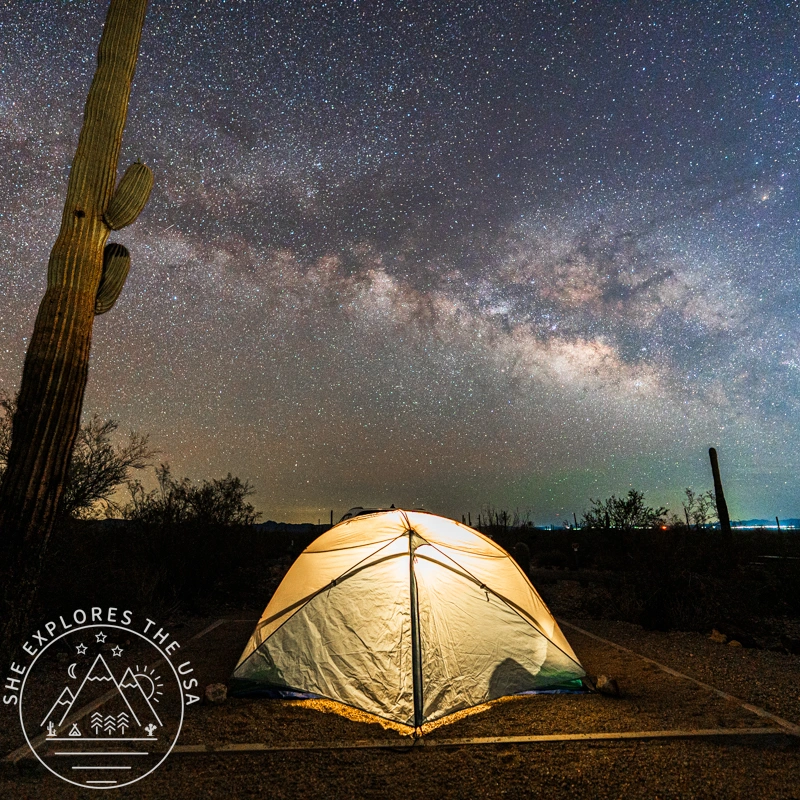
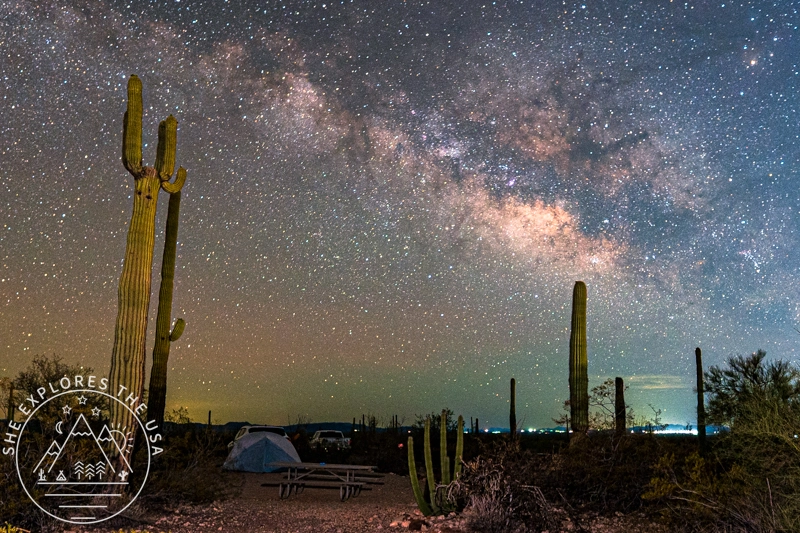
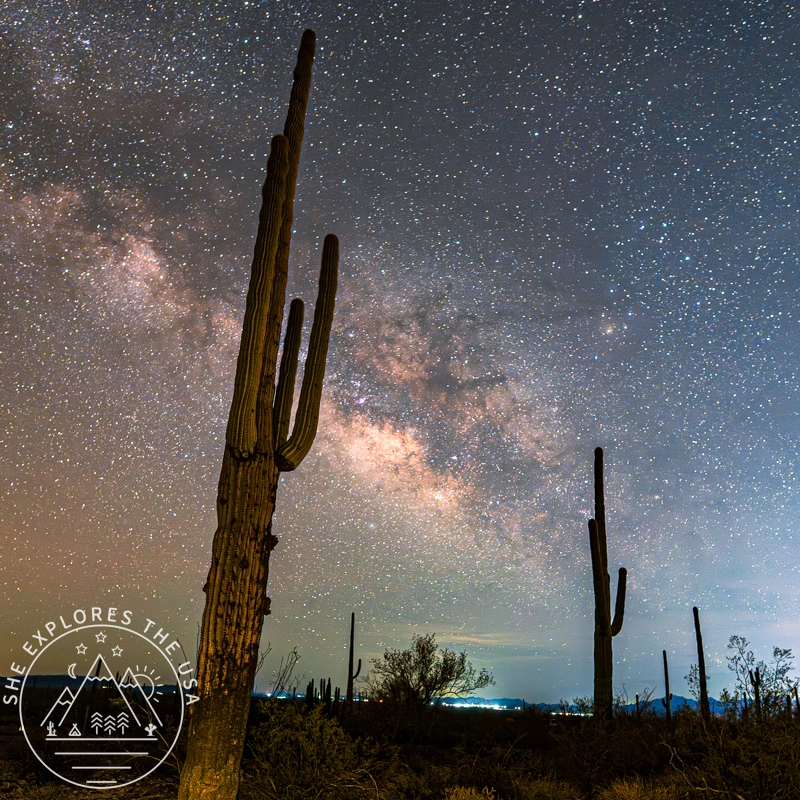
This is where Organ Pipe genuinely separates itself from most other parks. Designated as an International Dark Sky Park, the light pollution here is essentially zero. On a clear night, the Milky Way core is easily visible to the naked eye, and the combination of giant cacti silhouettes against a star-filled sky is one of the most photogenic scenes in the Southwest.
I set my alarm for 2:30 am on my first night to shoot the Milky Way core. Nights 2 and 3 were overcast, unfortunately.
What I used for night sky photography:




Tips for stargazing at Organ Pipe:
- The Milky Way core is best visible from roughly March through October
- Give your eyes 20 minutes to dark-adapt before you start, no phone screens
- Set up near a photogenic cactus for foreground interest
- Check moon phases before you go; a full moon will wash out the stars
- Check weather forecasts specifically for cloud cover, not just rain
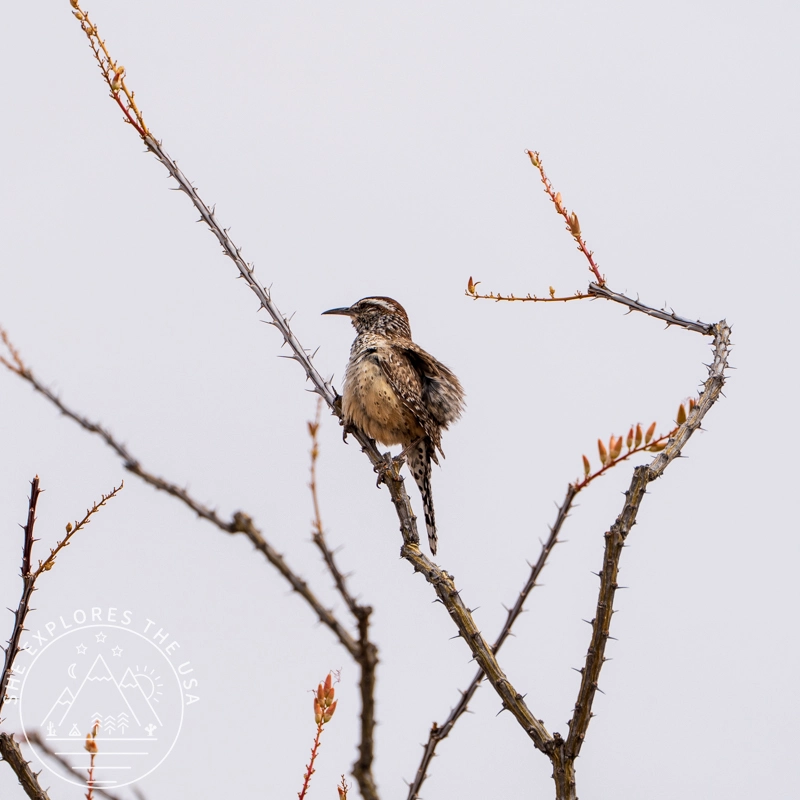
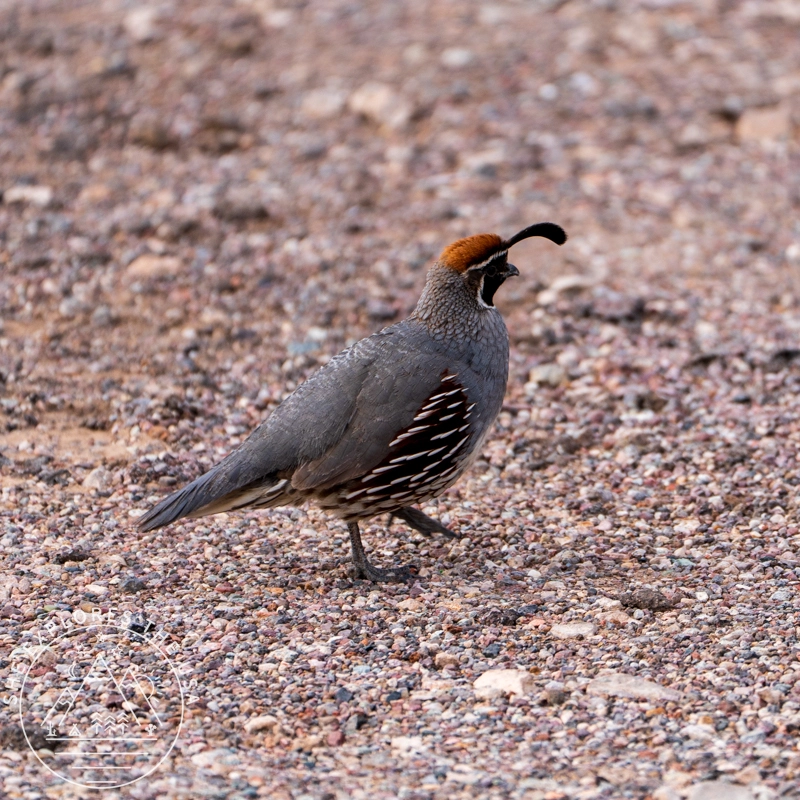
Wildlife Watching and Birding
Organ Pipe is an exceptional wildlife destination that doesn’t get nearly enough credit for it. The park sits at a unique ecological intersection and supports an impressive range of species.
What you might see:
- Javelinas (collared peccaries) are common around the campground at dawn and dusk
- Mule deer
- Coyotes
- Roadrunners
- Gila woodpeckers
- Gilded flickers
- Pyrrhuloxia (desert cardinal)
- Harris’s hawks
- The critically endangered Sonoran pronghorn
- Rattlesnakes, watch your step, especially around rocks and at night
The best wildlife viewing times are early morning and late evening when temperatures are cooler. The Alamo Canyon Trail in the early morning is particularly good for birds.
Gear for wildlife watching:


Ranger Programs
During the winter months (roughly November through April, when visitation peaks), rangers offer several interpretive programs and talks daily covering topics like desert ecology, the history of the monument, and the night sky. Check the bulletin board at the visitor center or ask a ranger when you arrive for the current schedule. These are free and genuinely worth attending; the rangers are knowledgeable and passionate about the park.
My 4-Day Trip Report at Organ Pipe Cactus National Monument
Here’s exactly how my trip unfolded, in case a real-world itinerary helps plan yours.
Day 1: The Drive In
I was browsing Recreation.gov at 1 am when I spotted a cancellation at Twin Peaks Campground with availability starting that same day. Booked it on the spot, packed my gear, got a few hours of sleep, and left San Diego around 1 pm. I made a pit stop in Yuma for fuel and snacks and rolled into camp around 6:30 pm. About 5.5 hours of driving total.
The stretch of AZ-85 from Gila Bend south is where the trip really starts. The cacti begin appearing along the roadside, growing denser and taller the further south you go, and by the time you’re pulling into the park entrance, it feels like you’ve crossed into a different world.
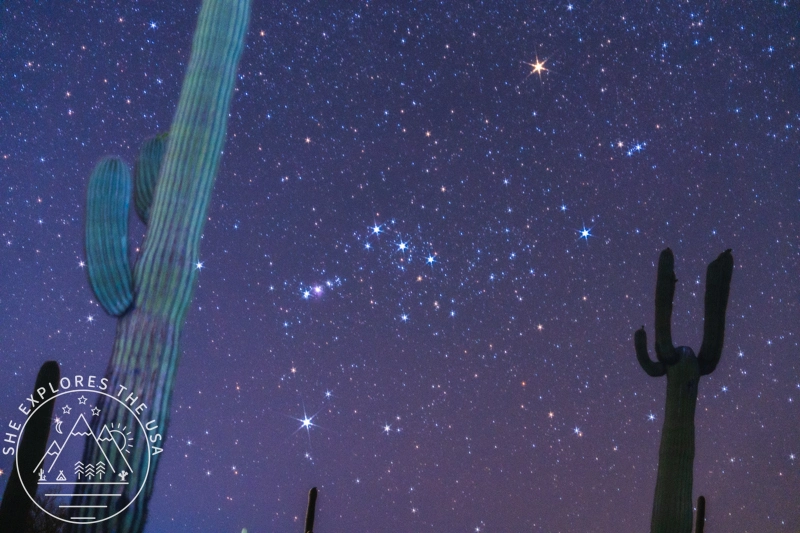
I set up camp, cooked dinner, and spent a couple of hours in the dark with my camera trying out my Hoya filter on Orion rising over a cactus. Set my alarm for 2 am and went to sleep.
Day 2: Victoria Mine and Milky Way
I woke up at 2:30 am and spent an hour shooting the Milky Way. It was exceptional: clear skies and the kind of star density that makes you feel very small in the best way. Back to sleep until 9:30 am.
After a slow morning, I started the Desert View Trail at 11:38 am and took my time with all the interpretive signs, finishing at 12:14 pm. Easy, rewarding, great views from the top. Back to the visitor center for wifi, then lunch and a rest at camp.
At 3:45 pm, I headed out on the Victoria Mine Trail, 2.2 miles each way, and it was the highlight of the whole trip. The late afternoon light on the cacti was stunning, the ruins were fascinating, and the trail felt genuinely wild even though it’s relatively easy. Back at camp by 5:30 pm, then out again for sunset.
Day 3: Ajo Mountain Drive
Overcast overnight meant no Milky Way. Up at 7 am (assisted by a loud neighboring campsite), I drove to the start of the Ajo Mountain Drive and began the 21-mile loop at 10 am. Two hours of stunning desert scenery, with a stop at the Arch Canyon pullout (views are best from the parking lot per the rangers) and the Estes Canyon / Bull Pasture hike as the main event. Finished the drive at 1:15 pm.
Back at camp for lunch and a rest, then walked the Palo Verde Trail to the visitor center and back. Another cloudy evening killed my plans for a star trail shoot, but I got a nice walk around the desert near camp at sunset instead.
Day 4: Alamo Canyon and the Drive Home
Slow, peaceful final morning. Breakfast, packing, then drove to the Alamo Canyon trailhead and started hiking at 10 am. A beautiful, easy canyon walk with great cacti variety and the bonus of being right next to those 4 incredible primitive campsites. Back to the car by 10:45 am and on the road home by 11 am.
Best Time to Visit Organ Pipe Cactus National Monument
The ideal time to visit is October through April, when daytime temperatures are comfortable (60s–80s°F) and nights are cool but manageable. This is when the park sees the most visitors and when ranger programs are running.
Spring (March–April) is particularly special if the winter rains have been good; wildflower blooms can be spectacular across the desert floor.
Summer (May–September) brings extreme heat, with daytime temperatures regularly exceeding 110°F. Hiking is dangerous during the day; if you visit in summer, restrict activity to before 9 am and after 5 pm, carry far more water than you think you need, and never underestimate the desert.
Winter (November–February) is quiet, uncrowded, and beautiful in a stark way. Nights can get cold, so bring layers and a proper sleeping bag rated for low temperatures.
Essential Packing List

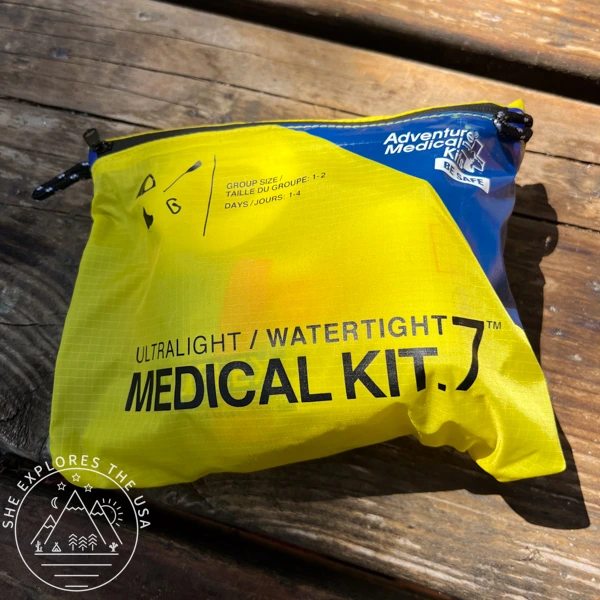


Practical Tips
- No cell service inside the park. Download maps, save your campsite confirmation, and let someone know your plans before you head in.
- WIFI is available at the Kris Eggle Visitor Center
- Pets are allowed in the campground and on paved roads, but not on any trails or in the backcountry.
- The America the Beautiful Pass covers your entrance fee and pays for itself if you visit three parks a year.
- Check water availability: the campground has water, but always carry more than you think you’ll need for hikes.
- Don’t touch the cacti. Cholla spines, in particular, are barbed and extremely painful to remove.
- Scorpions and rattlesnakes are present. Shake out shoes before putting them on, don’t reach under rocks, and watch where you step at night.
- Book early on Recreation.gov: Twin Peaks fills up weeks in advance during peak season. Check late at night for cancellations if it shows as full.
Frequently Asked Questions About Organ Pipe Cactus National Monument
What is the difference between an organ pipe cactus and a saguaro?
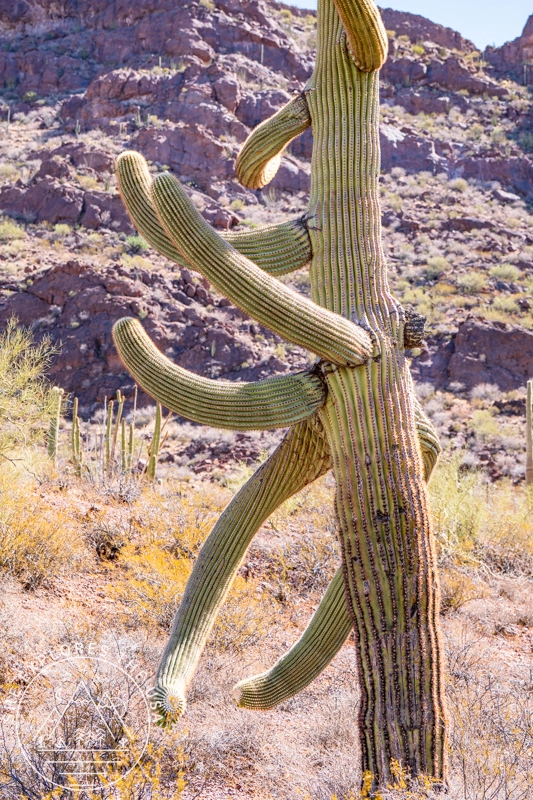
Both are large columnar cacti found in the Sonoran Desert, but they look and grow differently. The saguaro grows from a single trunk with arms branching upward, while the organ pipe cactus grows multiple stems directly from the base, resembling the pipes of a church organ. Saguaros are found across a wider range of the Southwest, while organ pipe cacti grow almost exclusively in Mexico, making this monument one of the only places in the US where you can see them in the wild.
What is the weather like at Organ Pipe Cactus National Monument?
The park has two very distinct seasons. October through April brings mild, pleasant days in the 60s–80s°F and cool nights that can dip into the 30s–40s°F. May through September is brutally hot, with temperatures regularly exceeding 110°F. Spring (March–April) often brings wildflower blooms across the desert floor. Always check the forecast specifically for cloud cover if stargazing is on your agenda; desert skies can cloud over quickly and unpredictably.
Is there camping at Organ Pipe Cactus National Monument?
Yes, there are two campgrounds. Twin Peaks Campground is the main developed campground with 208 sites for tents and RVs, with electrical hookups, flush toilets, and running water. Alamo Canyon is a primitive dispersed campground with just 4 sites, tent-only, where you camp right among the cacti. Both require reservations on Recreation.gov and neither accepts walk-ins. There are no hotels inside the monument; the nearest lodging is in the town of Ajo, about 35 miles north.
Is there a hotel near Organ Pipe Cactus National Monument?
There are no hotels inside the park. The nearest options are in Ajo, Arizona, about 35 miles north of the visitor center. Lukeville, right at the park’s southern entrance near the US-Mexico border, has very limited services. If you’re not camping, Ajo is your best base.
How far is Organ Pipe Cactus National Monument from Tucson and Phoenix?
- Tucson: it’s about a 2-hour drive heading west on AZ-86, then south on AZ-85.
- Phoenix: it’s roughly 2.5 hours heading south on I-10 to AZ-85.
- San Diego: it’s about 5 hours via I-8 east through Yuma.
Is Organ Pipe Cactus a national park or a national monument?
It’s a national monument, designated and managed by the National Park Service. It functions similarly to a national park — entrance fees apply, it has campgrounds, ranger programs, and maintained trails, but the “monument” designation means it was established by presidential proclamation rather than an act of Congress. Your America the Beautiful pass covers entrance fees here just as it would at any national park.
What town is closest to Organ Pipe Cactus National Monument?
Ajo, Arizona, is the closest town with full services: gas, groceries, and lodging. It’s about 35 miles north of the visitor center. Lukeville is closer, right at the southern entrance of the park on the US-Mexico border, and has a gas station, but very little else. Stock up in Ajo before heading in.
What types of cactus can you see at Organ Pipe Cactus National Monument?
The park is home to an impressive variety of Sonoran Desert cacti. The star of the show is, of course, the organ pipe cactus, but you’ll also find towering saguaros, teddy bear cholla, chain-link cholla, staghorn cholla, prickly pear, barrel cactus, and senita cactus. The diversity of species here is one of the things that makes the park so visually striking.
Final Thoughts about Organ Pipe Cactus National Monument
Organ Pipe Cactus National Monument surprised me in the best way. I went expecting a pretty desert park and came home having experienced world-class stargazing, genuinely rewarding hikes, and a landscape that felt completely unlike anywhere else I’ve been in the US. The fact that it’s still relatively under the radar compared to parks like Saguaro or Joshua Tree means you can actually enjoy it without fighting for trailhead parking or listening to someone else’s Bluetooth speaker at the next campsite. If you’re road-tripping through the Southwest, coming from San Diego, or just looking for a last-minute Arizona adventure, put Organ Pipe on the list. It earns it.
Post originally published on April 22, 2026, and last updated on October 6, 2026.