Adventure Travel Insurance for Hikers & Backpackers

DISCLOSURE: This post may contain affiliate links. If you purchase after clicking one of my links, I may earn a small commission at no extra cost to you. As an Amazon Associate, I earn from qualifying purchases. For more information, see my disclaimer.
Finding the right adventure travel insurance is a priority when you’re planning time in the backcountry. Many people search for travel insurance for backpacking trips to cover remote rescue, but standard policies often fall short. In this guide, I share my research comparing providers to help you find the best travel insurance for hikers. In this guide, I compare four top providers, AURAS, Faye, Generali, and World Nomads, to help you find a plan that actually covers the backcountry activities you have planned.
DISCLAIMER: I am not an insurance agent or financial advisor, and this post does not provide personalized advice. The content is for general informational purposes only. Travel insurance coverage varies by policy, provider, and trip details. Always review the full policy documents and consult a licensed insurance professional or the insurer directly before making any decisions.
- Do You Really Need Adventure Travel Insurance?
- What to Look for in Adventure Travel Insurance
- Adventure Travel Insurance Providers: A Quick Comparison
- AURAS Adventure Travel Insurance for Hiking & Mountain Adventures
- Faye Adventure Travel Insurance for Hiking & Backpacking
- Generali Adventure Travel Insurance: The Preferred Plan
- World Nomads Adventure Travel Insurance for Hiking & Trekking
- Using Havasupai to Illustrate Adventure Travel Insurance Considerations
- Staying Connected: Why I Never Hike Without My Garmin inReach
- Frequently Asked Questions About Adventure Travel Insurance
- Final Thoughts on Adventure Travel Insurance for Hikers and Backpackers
Do You Really Need Adventure Travel Insurance?
Hiking in national parks, backcountry areas, or adventure destinations abroad involves risks that differ from a standard vacation. Some travel insurance policies may include coverage for emergency evacuation, medical emergencies, trip interruptions, and lost gear.
Emergency evacuation costs
- Helicopter rescues from remote trails can cost anywhere from $10,000 to $50,000+.
- Regular health insurance usually doesn’t cover these costs.
- This is the biggest financial risk for backcountry hikers.
Non-refundable permit costs
- Havasupai permits cost $450+ per person just for camping.
- Permits are non-refundable within 90 days of the trip.
- Trip cancellation coverage may protect the money you’ve already paid.
Remote medical situations
- Many national parks are far from hospitals.
- Serious injuries or illnesses on remote trails can be costly and take time to treat.
Unpredictable weather and closures
- Flash floods, wildfires, and other natural disasters can interrupt your plans.
- Some insurance policies may cover trip interruptions in these cases.
What to Look for in Adventure Travel Insurance
When evaluating travel insurance for hiking or backpacking trips, it’s critical to verify if your plan includes high-altitude coverage. For those needing travel insurance for hiking in remote wilderness areas, medical evacuation is the most important feature to look for in your adventure travel insurance policy.
- Emergency evacuation coverage: Look for $100,000+ for serious backcountry travel.
- Adventure sports coverage: Some policies exclude “hazardous activities” or high-altitude hiking.
- Trip cancellation and interruption: Crucial for permit-based trips with non-refundable deposits.
- Medical expense coverage: Know the limits for treatment costs.
- 24/7 emergency assistance: Make sure real help is available anytime.
- Baggage and gear coverage: Useful if traveling with expensive equipment.
- COVID-19 coverage: Still relevant for international travel.
Adventure Travel Insurance Providers: A Quick Comparison
Here’s how four popular providers compare across features often relevant to adventure travel.
| Feature | AURAS | Faye | Generali | World Nomads |
|---|---|---|---|---|
| Evacuation Coverage | Emergency medical & evacuation coverage worldwide (Extreme category required for high-altitude/mountain trips) | < $250K international / $50K domestic with adventure add-on | Up to $500,000 emergency assistance & transportation | Emergency medical evacuation; 24/7 assistance; medically necessary transport |
| Hiking Coverage | Active: < 3,000 m / 9,843 ft; Extreme: > 3,000 m / 9,843 ft | Adventure / extreme activities require add-on; mountain climbing < 19,685 ft / 6,000 m | Preferred plan; check details for altitude/activities | < 26,247 ft (8,000 m), depending on plan |
| Trip Cancellation | Yes, can include flights, trekking passes, accommodations | Yes | Yes, can include financial insolvency | Yes + optional CFAR |
| Claims Process | Online application + 24/7 support | App-based + 24/7 chat / phone / WhatsApp | 24/7 support + concierge | Online + 24/7 support |
| Price Range | Quote-based | Quote-based + add-on | Quote-based | Quote-based |
AURAS Adventure Travel Insurance for Hiking & Mountain Adventures
AURAS provides comprehensive travel insurance for hikers and mountain travelers worldwide. When requesting a quote, select:
- Active Plan: for hikes up to 3,000 m (9,843 ft), suitable for moderate trekking like Havasupai
- Extreme Plan: for hikes above 3,000 m (9,843 ft), including high-altitude climbs like Mount Whitney, offering extra coverage for high-risk mountain adventures and emergency rescues
Both plans include medical emergencies, trip disruptions, lost baggage, and trekking gear. The Extreme Plan adds protection for high-risk mountain activities and helicopter rescues.
Key Features
- High-Altitude & Mountain Coverage: Active Plan may cover standard trekking up to 3,000 m / 9,843 ft; Extreme Plan may cover climbs above 3,000 m / 9,843 ft and extreme activities.
- Medical & Emergency Evacuation: may cover illness, injury, and medically necessary evacuation, with Extreme category coverage for remote or high-altitude terrain.
- Trip Cancellation / Interruption: Reimburses prepaid costs for covered events such as illness, flight delays, or natural disasters.
- Baggage & Equipment Protection: Lost, stolen, or damaged personal belongings and trekking gear may be covered.
- Global Validity: Accepted for travelers of any nationality, including visa applications.
- 24/7 Assistance & Support: Around-the-clock customer service while traveling.
- COVID-19 Coverage: Included for medical emergencies and trip disruptions.
Limitations / What’s Not Covered
- Extreme activities and high-altitude rescues may only be covered under the Extreme Plan
- Pre-existing medical conditions may require approval or additional coverage
- Active Plan may not cover extreme adventure events
Plans at a Glance
| Plan | Maximum Altitude | Adventure / Extreme Coverage |
|---|---|---|
| Active Plan | Up to 3,000 m / 9,843 ft | Standard trekking and hiking |
| Extreme Plan | Above 3,000 m / 9,843 ft | High-risk mountain adventures, extreme events, helicopter rescues |
Coverage options and limits may vary by plan and traveler; review official policy documents and consult a qualified insurance provider for guidance specific to your trip.
Faye Adventure Travel Insurance for Hiking & Backpacking
Faye is a modern travel insurance provider designed for simplicity and convenience, with app-based claims, 24/7 support, and coverage options tailored for outdoor adventures like hiking and backpacking. While standard policies cover typical travel mishaps, the Adventure & Extreme Sports add-on can extend coverage for high-altitude or technical hikes.
Key Features
Hiking & Trekking Coverage:
- Standard hikes and backpacking trips are included under the base plan.
- High-altitude or technical hikes (e.g., mountain climbs exceeding 9,000 ft / ~2,700 m) may require the Adventure & Extreme Sports add-on.
- Maximum mountain climbing altitude coverage with the add-on: Standard (19,685 ft / 6,000 m), Explorer (21,325 ft / 6,500 m), Epic (26,247 ft / 8,000 m).
Medical & Evacuation:
- Coverage for injuries or illness while hiking: up to $250K internationally or $50K domestically with the add-on.
- Emergency evacuation and repatriation included for serious accidents or illness while on the trail.
Gear Protection:
- Lost, stolen, or damaged hiking and backpacking equipment covered up to $2,000 per trip, even if the add-on is not purchased.
24/7 Assistance:
- Support available via app chat, phone, WhatsApp, or email anytime, including holidays.
- Guidance available for managing trekking permits, trip logistics, and emergencies.
Base Plan Coverage:
- Medical emergencies, trip delays, baggage protection, and standard travel incidents are included for all non-extreme activities.
Additional Coverage Highlights
| Feature | Coverage |
|---|---|
| Trip Cancellation / CFAR | Up to 100% non-refundable trip costs (CFAR add-on available for up to 75%) |
| Emergency Medical | Up to $250K international / $50K domestic for high-altitude hiking with add-on |
| Medical Evacuation | Up to $500K per person |
| Gear / Equipment Loss | Up to $2,000 per trip |
| Max Altitude for Hiking & Trekking | 19,685–26,247 ft (6,000–8,000 m), depending on plan |
| Trip Delay / Interruption | Up to $300/day, max $2,100 per trip; interruption up to 150% of non-refundable trip costs |
| 24/7 Assistance | Included via app, phone, WhatsApp, email |
Limitations / What’s Not Covered
- Adventure or high-altitude hiking beyond base plan limits requires the add-on.
- Domestic trips have lower coverage limits for extreme activity injuries.
- Standard exclusions apply (e.g., injuries under the influence, unattended personal items).
Coverage options and limits may vary by plan and traveler; review official policy documents and consult a qualified insurance provider for guidance specific to your trip.
Generali Adventure Travel Insurance: The Preferred Plan
Generali offers flexible travel insurance plans, but coverage for hiking and other adventure activities is included only with the Preferred plan. This mid-range plan provides higher limits than the Standard plan and extra protections for sporting equipment, trip cancellations, and emergency assistance.
Key Features
- Hiking & Adventure Coverage: May be covered only under the Preferred plan; can include activities such as trekking and general hiking. High-altitude or extreme activities may require additional review.
- Medical & Emergency Assistance: Up to $500,000 per person for emergency assistance and transportation, including medical evacuation if needed.
- Trip Cancellation & Interruption:
- Trip cancellation: up to 100% of trip cost, including financial insolvency of travel suppliers.
- Trip interruption: up to 150% of trip cost insured.
- Sporting Equipment Protection: $1,500 per person for loss, theft, or damage. Delay coverage also included ($300 per person).
- Other Trip Benefits:
- Travel delay: $1,000 per person ($200/day)
- Baggage: $1,500 per person
- Missed connection: $750 per person
- Accidental Death & Dismemberment: $75,000 per person for air flight accidents, $25,000 per person for travel accidents.
- Telemedicine & Concierge Services: Access to medical consultations and travel support 24/7. Can include identity theft resolution support.
Limitations / What’s Not Covered
- Hiking and adventure activity coverage is not included in the Standard plan; you must select Preferred.
- Extreme sports, high-altitude climbs, and specialized adventure activities may require additional review or separate add-ons.
- Standard exclusions apply (e.g., injuries under the influence, unattended baggage).
Preferred Plan at a Glance
| Feature | Coverage |
|---|---|
| Emergency Assistance & Transportation | $500,000 per person |
| Medical & Dental | $150,000 per person ($500 emergency dental limit) |
| Trip Cancellation | 100% of trip cost (can include supplier insolvency) |
| Trip Interruption | 150% of trip cost |
| Sporting Equipment | $1,500 per person (delay: $300) |
| Travel Delay | $1,000 per person ($200/day) |
| Baggage | $1,500 per person |
| Missed Connection | $750 per person |
| Accidental Death & Dismemberment | Flight: $75,000 per person / Travel: $25,000 per person |
| Support & Services | 24/7 assistance, concierge, telemedicine, identity theft support |
Coverage options and limits may vary by plan and traveler; review official policy documents and consult a qualified insurance provider for guidance specific to your trip.
World Nomads Adventure Travel Insurance for Hiking & Trekking
World Nomads offers travel insurance specifically tailored for hiking and trekking at high altitudes, covering adventures up to 26,247 feet (8,000 meters) with their Epic Plan. Whether you’re tackling Everest Base Camp, Kilimanjaro, or a remote trail closer to home like Havasupai or Mt Whitney, their plans may provide coverage for certain unexpected events.
Key Features
- High-Altitude Coverage: Plans may cover hikes up to 26,247 ft (8,000 m), depending on the plan (Standard, Explorer, Epic, or Annual).
- Medical & Emergency Evacuation: Emergency medical care and medically necessary evacuations from remote areas are included, giving peace of mind on challenging terrain.
- Baggage & Gear Protection: Coverage for lost, stolen, or damaged personal items and equipment, including checked baggage.
- Trip Cancellation: Reimbursement for non-refundable prepaid expenses if you cancel for a covered reason. Optional Cancel for Any Reason (CFAR) coverage can be added within 7 days of the initial trip deposit.
- Pre-Trip Telehealth: Access to medical consultations before your trip, including vaccinations and travel medications such as altitude sickness prevention.
- Adventure Coverage: may cover over 250 sports and activities, from casual hikes to intense high-altitude trekking.
Limitations / What’s Not Covered
- Travel within 100 miles of your home.
- Injuries or incidents while under the influence of drugs or alcohol.
- Unattended baggage, sporting equipment, or personal items.
Plans at a Glance
| Coverage / Feature | Standard | Explorer | Epic | Annual |
|---|---|---|---|---|
| Trip Cancellation / CFAR | $2,500 | Up to 50% non-refundable trip cost | Up to 75% non-refundable trip cost | Up to $100,000 per trip |
| Emergency Medical | $125,000 | $150,000 | $250,000 | $100,000 |
| Adventure Activities | 250+ | 300+ | 340+ | 250+ |
| Max Elevation | 19,685 ft / 6,000 m | 21,325 ft / 6,500 m | 26,247 ft / 8,000 m | 19,685 ft / 6,000 m |
| Medical Evac & Repatriation | $400,000 | $500,000 | $700,000 | $100,000 |
| Baggage & Gear | $1,000 | $2,000 | $3,000 | $2,000 |
Coverage options and limits may vary by plan and traveler; review official policy documents and consult a qualified insurance provider for guidance specific to your trip.
Using Havasupai to Illustrate Adventure Travel Insurance Considerations
Remember: this information is for general educational purposes and does not replace guidance from a qualified insurance provider.
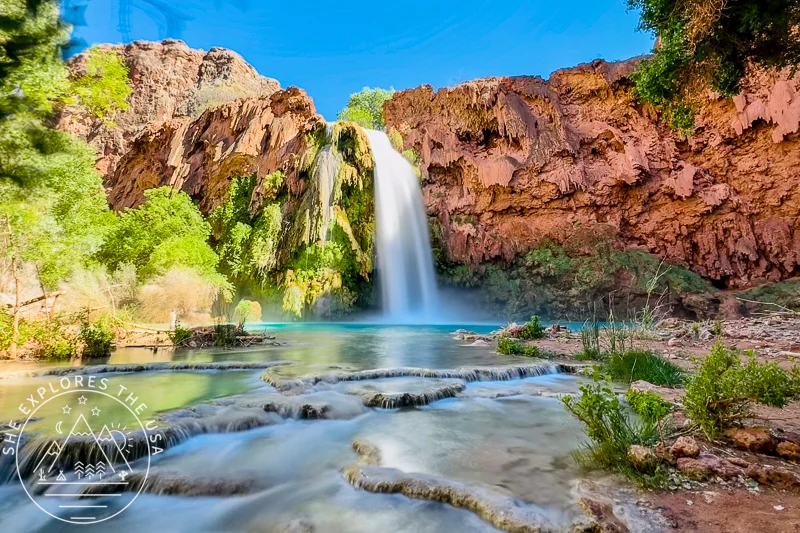
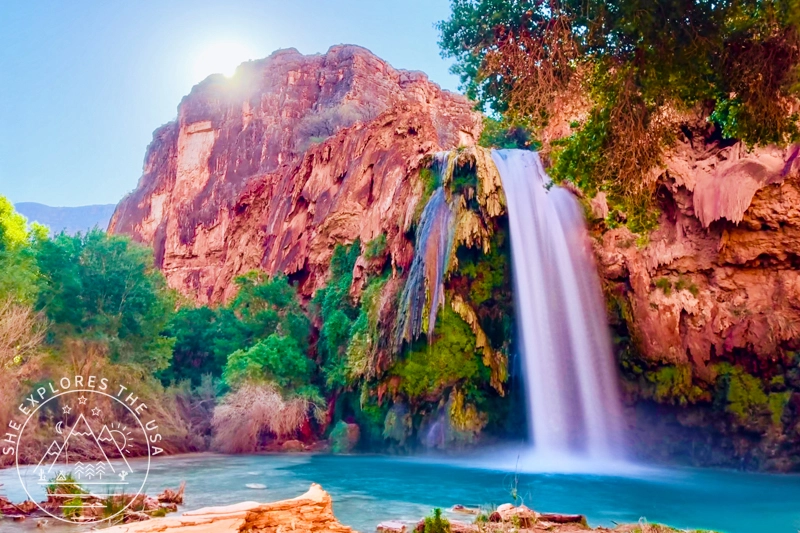
Havasupai in the southwestern United States is a popular hiking spot with dramatic canyon views and waterfalls. Because it is remote and requires a permit, it is a good example for thinking about travel insurance for hiking and backpacking trips.
Example Features of a Havasupai Trip
- Backpacking: Trails involve 10-mile carries (each way) with gear. Some travelers use mule services or helicopter transport, but terrain and remoteness still present challenges.
- Day hikes: Routes to Mooney Falls, Beaver Falls, Fifty Foot Falls, and Navajo Falls include ladders, chains, stream crossings, and uneven or slippery rock surfaces.
- Accommodation: Campgrounds or lodge stays in Supai are deep in the canyon, with limited access to immediate medical services.
- Environmental risks: Flash floods, sudden storms, heat, and variable trail conditions are common considerations.
Travel Insurance Context (Informational)
Travel insurance products in the U.S. may offer coverage types that address risks associated with hiking and backcountry trips like Havasupai, including:
- Medical emergencies for injuries or illness occurring on the trail
- Emergency evacuation in case of serious injury or illness
- Trip cancellation or interruption to cover non-refundable permits or travel arrangements
- Gear protection for lost, stolen, or damaged hiking and camping equipment
This example is informational: it demonstrates types of situations that travel insurance may cover for remote hiking trips. It does not recommend or advise any specific plan, provider, or coverage choice.
I also have a full breakdown of everything you need to know about Havasupai permits for 2026 and a complete Havasupai packing guide if you want more trip-specific planning help.
Example Adventure Travel Insurance Quotes: 4 days in Havasupai, AZ
These quotes were all retrieved on the same day for a sample 40‑year‑old California resident on a 4‑day Havasupai trip. Prices can vary a lot based on your age, state, and trip details.
Sample traveler: 40-year-old California resident, hiking Havasupai in Arizona, May 14–17, 2026. Quotes were last checked on April 6, 2026, and may have changed since then.
| Feature | AURAS: Active Plan | Faye: Adventure & Extreme Sports | Generali: Preferred Plan | World Nomads: Standard |
|---|---|---|---|---|
| Total Price | $ | $$$ | $$ | $$ |
| Trip Cancellation | N/A | $1,000 (up to 100%) | 100% of trip cost | $2,500 |
| Trip Interruption | N/A | $1,500 (up to 150%) | 150% of trip cost | $2,500 |
| Medical / Evacuation | Medical care, emergency dental, chronic disease, transport, evacuation, repatriation ($35K, $100 deductible) | Accident & Sickness: $50K Evacuation: $500K COVID-19 covered | Medical & Dental: $150K | Accident & Sickness: $125K Evacuation: $400K Political/Security: $25K |
| Baggage & Gear | Baggage, flight delay, loss of documents, liability, legal support, car travel | Lost/damaged baggage: $2K (max $150/item) Delay: $300 Lost passport/cards: $50 each | Baggage: $1.5K | Baggage: $1K Delay: $750 |
| Adventure / Sports | Active Plan: moderate hikes <3,000 m / 9,843 ft | Adventure & extreme sports; app-based claims; pre-existing conditions possible if bought within 14 days | Hiking/adventure covered; high-altitude/extreme may need review | Standard U.S. plan; CFAR not included |
| Notes | Suitable for moderate Havasupai hike | Highest coverage for extreme activities; more expensive | Mid-range; can include sporting equipment | 24/7 assistance; no CFAR |
Disclaimer: The information in this table is for informational purposes only and is based on publicly available quotes and policy documents at the time of writing. Coverage limits, prices, and terms may change without notice. Travelers should verify all details directly with the insurance provider before purchasing a policy. This table does not constitute financial advice, an endorsement, or a guarantee of coverage. Individual circumstances, pre-existing conditions, or trip specifics may affect eligibility or coverage.
Staying Connected: Why I Never Hike Without My Garmin inReach
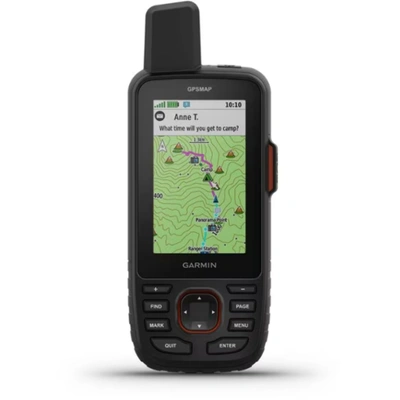
If you’ve read my other posts, you know I consider my Garmin inReach 67i to be my absolute lifeline. I never head out into the backcountry without it. It provides me with genuine peace of mind, and just as importantly, it allows my family to track my progress in real time so they aren’t left worrying at home.
Beyond tracking, satellite communication is crucial for me. Having the ability to call for help when I’m miles away from the nearest cell tower is what makes these devices so essential, especially as a solo female hiker. If you want a deeper look at why I rely on this specific gear, you can check out my full review of the Garmin inReach devices here.
Adding Search and Rescue (SAR) Coverage
While the device is my primary tool for communication, it’s also important to remember that rescue operations can be incredibly expensive. That is why Garmin offers optional Search and Rescue (SAR) insurance plans.
If you use an inReach device with an active subscription to trigger an SOS, these plans provide financial reimbursement for qualified rescue expenses. They offer three levels of coverage, ranging from standard search-and-rescue benefits to plans that specifically include high-risk or high-altitude activities (covering elevations above 5,000 meters).
You can even purchase these plans for friends or family members joining you on the trail, which is a great way to ensure everyone in your group is covered. If you’re heading into remote areas, it is well worth looking into these plans to see if they make sense for your specific type of adventure.
Always be sure to review the full program certificates and terms and conditions on Garmin’s official site to understand exactly what is, and isn’t, covered before you head out.

Frequently Asked Questions About Adventure Travel Insurance
Does adventure travel insurance cover a helicopter rescue? Many adventure travel insurance plans include coverage for emergency medical evacuation, which can cover helicopter rescues from remote trails. However, because coverage varies by provider and plan tier, you must verify that your specific policy explicitly includes “Emergency Medical Evacuation” benefits, as standard holiday insurance often excludes these costs.
Do I need specialized coverage for hiking above 3,000 meters? Yes. Most standard policies cap coverage at 3,000 meters (approx. 9,843 ft). If your trekking or backpacking itinerary involves mountain passes or summits above this altitude, you must select an “Extreme” or “High-Altitude” plan tier, such as those offered by AURAS or World Nomads, to remain covered for altitude-related emergencies.
Does my standard health insurance cover me while backpacking? In most cases, no. Standard U.S. health insurance typically has limited coverage for international medical treatment and rarely covers the high costs associated with search and rescue operations or emergency medical transport from remote backcountry locations.
What is the difference between “Medical Evacuation” and “Search and Rescue”? “Medical Evacuation” covers the cost of transporting you to a hospital after an injury or illness occurs on the trail. “Search and Rescue” (SAR) covers the actual costs of locating you if you go missing in the wilderness. Many policies cover medical evacuation, but you should always check if your policy requires an add-on for SAR coverage.
Final Thoughts on Adventure Travel Insurance for Hikers and Backpackers
Adventure travel insurance plans can differ a lot in what they cover, their limits, and what they exclude. Important things to check include emergency evacuation limits, altitude coverage, excluded activities, and trip or permit cancellation rules. Depending on the policy, coverage may include medical emergencies, evacuation, trip interruptions, and lost or damaged gear. Travelers should read the policy carefully and speak with a qualified insurance provider to make sure it fits their trip.
Post originally published on April 8, 2026, and last updated on June 7, 2026.